


Heinrich Schütz
Sammlet zuvor das Unkraut, SWV 376 (Op. 11/8)
Released Album
Recent Album
Works Info
Composer:Heinrich SchützGenre:ChoralStyle:ChoralPublication Date:1648Average_duration:1:42Heinrich Schütz's 'Sammlet zuvor das Unkraut' is a sacred vocal work that was composed in 1619. It is also known as SWV 376 or Op. 11/8. The piece was premiered in Dresden, Germany, during the composer's tenure as the court composer for the Elector of Saxony. The work is divided into three movements, each of which is based on a biblical text. The first movement is a setting of Matthew 13:30, which describes the parable of the wheat and the tares. The second movement is a setting of Matthew 13:44, which describes the parable of the hidden treasure. The final movement is a setting of Matthew 13:45-46, which describes the parable of the pearl of great price. The first movement begins with a lively instrumental introduction that sets the tone for the entire piece. The vocal parts enter with a homophonic texture, singing the text "Sammlet zuvor das Unkraut" (gather the weeds first). The music is characterized by its rhythmic energy and lively melodic lines. The second movement is more contemplative in nature, with a slower tempo and more complex harmonies. The vocal parts are more independent in this movement, with each voice contributing to the overall texture of the piece. The final movement is the most complex of the three, with a more intricate vocal and instrumental texture. The vocal parts are more virtuosic, with each voice taking turns singing the text "Wiederum das Reich der Himmel ist gleich einem Kaufmann" (Again, the kingdom of heaven is like a merchant). The instrumental parts are also more prominent in this movement, with the strings and continuo providing a rich harmonic foundation for the vocal parts. Overall, 'Sammlet zuvor das Unkraut' is a masterful example of Schütz's skill as a composer of sacred vocal music. The piece is characterized by its lively rhythms, complex harmonies, and virtuosic vocal parts. It remains a popular work in the repertoire of early music ensembles and is a testament to Schütz's enduring legacy as one of the greatest composers of the Baroque era.More....
Works Music
Released Music
1
1:39
2
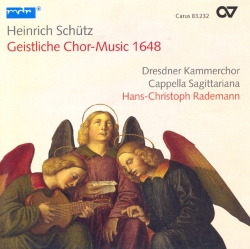
1:39
3
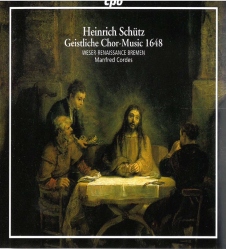
1:38