Johann Adolf Hasse
Requiem in C major
Released Album
Recent Album
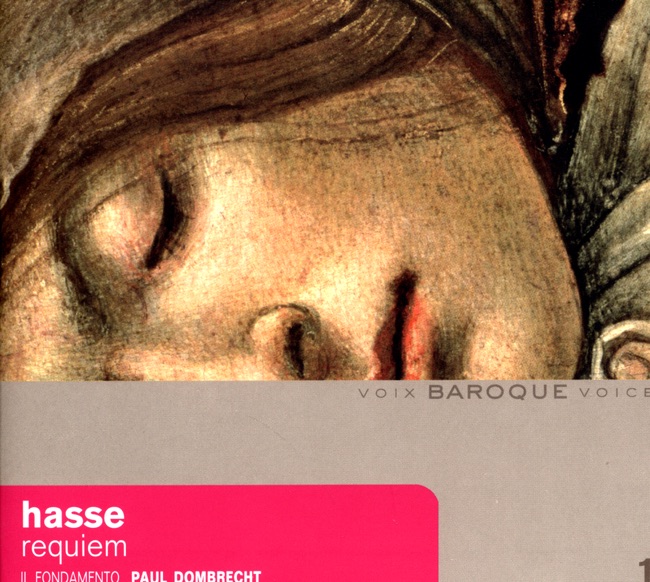
Works Info
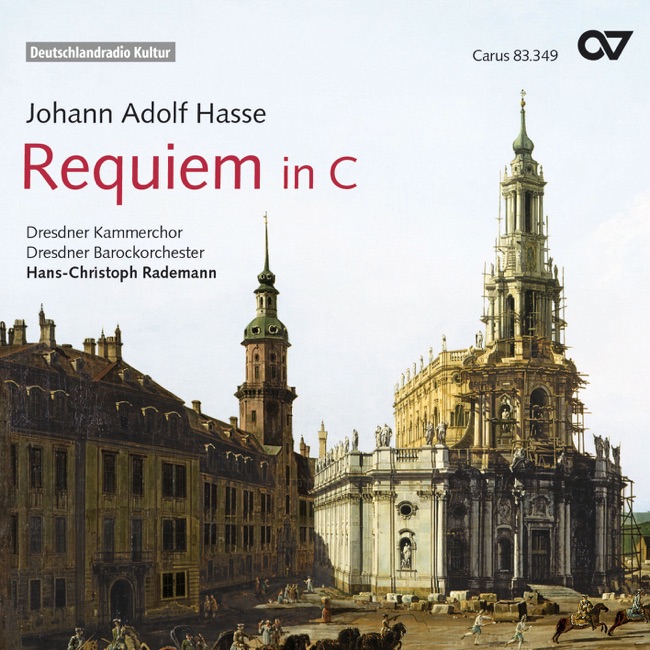
Composer:Johann Adolf HasseGenre:ChoralStyle:RequiemAverage_duration:50:00Movement_count:21Movement ....Johann Adolf Hasse's Requiem in C major was composed in 1755 and premiered in the same year in Dresden, Germany. The Requiem is divided into eight movements, each with its own unique characteristics. The first movement, "Requiem aeternam," begins with a somber and mournful melody sung by the choir. The soloists then enter, singing a prayer for eternal rest. The movement ends with a return to the choir's opening melody. The second movement, "Kyrie," is a plea for mercy. The choir and soloists alternate in singing the text, with the choir singing the opening and closing sections and the soloists singing the middle section. The third movement, "Dies irae," is the most dramatic and intense of the Requiem. The choir sings a powerful melody, accompanied by the orchestra, depicting the day of judgment. The soloists then enter, singing of the terror and fear of that day. The fourth movement, "Tuba mirum," is a solo for bass, accompanied by the orchestra. The text describes the sound of the trumpet announcing the day of judgment. The fifth movement, "Rex tremendae," is a choral fugue, with the choir singing of the awe-inspiring power of God. The sixth movement, "Recordare," is a duet for soprano and alto, accompanied by the orchestra. The text is a plea for mercy and forgiveness. The seventh movement, "Confutatis," is a choral fugue, with the choir singing of the punishment of the damned. The final movement, "Lacrimosa," is a mournful and beautiful melody sung by the choir and soloists, expressing sorrow and mourning for the dead. Overall, Hasse's Requiem in C major is a powerful and emotional work, with dramatic and intense moments balanced by moments of beauty and tenderness. The use of soloists and choir, as well as the orchestral accompaniment, creates a rich and varied musical texture.More....
Works Music
Released Music