


Giovanni Pergolesi
Mass
Released Album
Recent Album
Works Info
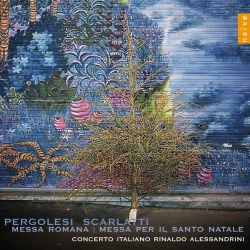
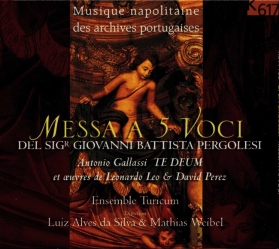
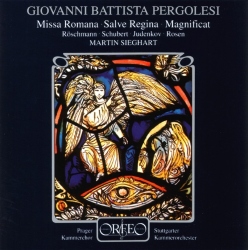
Composer:Giovanni PergolesiGenre:ChoralStyle:MassFirst Performance:Dec 31, 1732Average_duration:30:02Giovanni Battista Pergolesi's Mass in C major, also known as the Missa Romana, is a sacred choral work that was composed in the early 18th century. The piece was first performed in Rome in 1733, and it quickly became one of Pergolesi's most popular works. The Mass is divided into six movements, each of which has its own unique character and musical style. The first movement, the Kyrie, is a solemn and introspective piece that sets the tone for the rest of the Mass. The Gloria, which follows, is a joyful and celebratory piece that features lively rhythms and intricate vocal harmonies. The Credo, which is the longest movement in the Mass, is a complex and intricate piece that features a variety of musical styles and textures. The Sanctus, which follows, is a bright and uplifting piece that features soaring vocal lines and a lively tempo. The Benedictus, which is sung immediately after the Sanctus, is a more subdued and introspective piece that features a solo soprano voice. The final movement of the Mass is the Agnus Dei, which is a solemn and contemplative piece that features a solo alto voice. Throughout the Mass, Pergolesi employs a variety of musical techniques and styles, including polyphony, homophony, and counterpoint, to create a rich and varied musical tapestry. Overall, Pergolesi's Mass in C major is a masterful work of sacred choral music that showcases the composer's skill and creativity. Its combination of solemnity and joy, introspection and celebration, makes it a timeless masterpiece that continues to be performed and enjoyed by audiences around the world.More....
Main Perform Artists