John Dowland
Go, nightly cares, the enemy to rest
Released Album
Recent Album
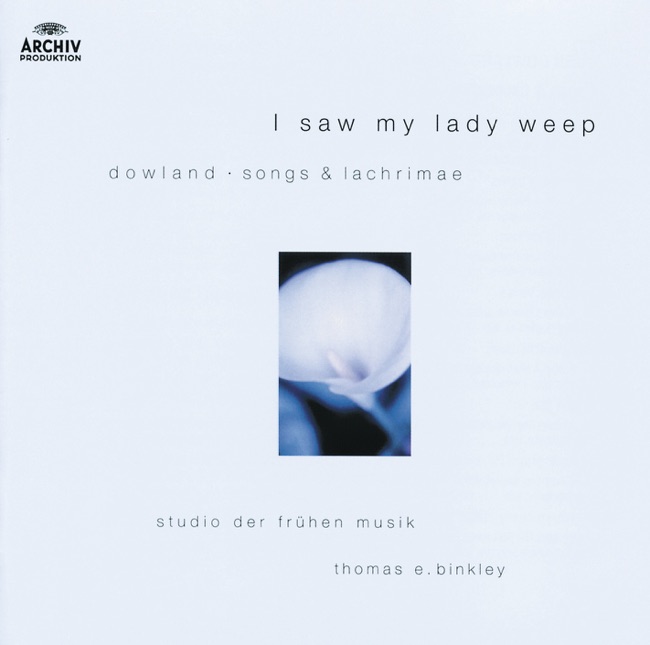
Featured Album
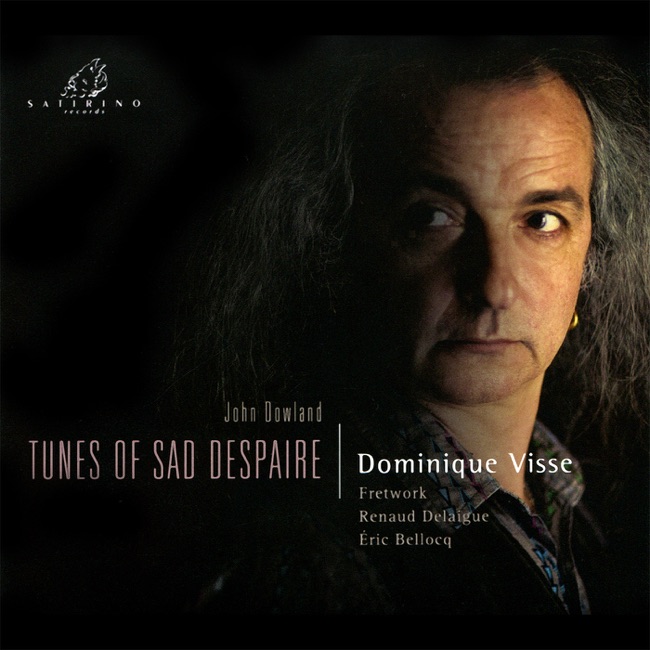
Works Info
Composer:John DowlandGenre:VocalStyle:Song: Art SongCompose Date:1612Publication Date:1612Average_duration:5:26'Go, nightly cares, the enemy to rest' is a lute song composed by John Dowland, one of the most prominent composers of the English Renaissance. The song was composed in the early 17th century and was first published in Dowland's collection of lute songs, "The Third and Last Booke of Songs or Aires" in 1603. The song is written in the key of G minor and consists of four verses, each with a refrain. The melody is simple and melancholic, with a slow and steady tempo that reflects the somber mood of the lyrics. The song is performed with a lute accompaniment, which adds to the melancholic atmosphere of the piece. The lyrics of 'Go, nightly cares, the enemy to rest' are a reflection on the pain and suffering caused by unrequited love. The speaker implores his cares and sorrows to leave him alone so that he can find peace and rest. The refrain, "Hence, hence, all you vain delights," emphasizes the futility of seeking happiness in worldly pleasures and encourages the speaker to turn his attention to more spiritual pursuits. The song is divided into four movements, each with its own distinct character. The first movement is slow and mournful, with a simple melody that emphasizes the sadness of the lyrics. The second movement is more lively and upbeat, with a faster tempo and a more complex melody. The third movement returns to the slow and mournful character of the first, with a melody that is more intricate and expressive. The final movement is a reprise of the first, with a return to the simple and melancholic melody that emphasizes the speaker's desire for rest and peace. Overall, 'Go, nightly cares, the enemy to rest' is a beautiful and poignant example of Dowland's skill as a composer of lute songs. The simple melody and melancholic lyrics capture the essence of the English Renaissance, with its emphasis on introspection, melancholy, and spiritual reflection. The song remains a popular choice for performers and audiences alike, and continues to be a testament to Dowland's enduring legacy as one of the greatest composers of his time.More....
Works Music
Released Music
7

3:33
Featured Music