


Heinrich Schütz
Nun Komm, der Heiden Heiland, SWV 301 (Op. 8/20) (2 versions)
Released Album
Recent Album
Works Info
Composer:Heinrich SchützGenre:ChoralStyle:ChoralPublication Date:1636Average_duration:3:03Heinrich Schütz's 'Nun Komm, der Heiden Heiland, SWV 301 (Op. 8/20) (2 versions)' is a sacred vocal work that was composed in the early 17th century. The piece is based on a Lutheran hymn of the same name, which was written by Martin Luther in the 16th century. Schütz's composition is divided into two versions, both of which are scored for four voices and continuo. The first version of 'Nun Komm, der Heiden Heiland' was composed in 1619 and premiered in Dresden. This version consists of six movements, including an opening chorus, two arias, two recitatives, and a closing chorale. The opening chorus is a lively and joyful setting of the hymn's first verse, featuring imitative polyphony and a prominent continuo part. The two arias are more introspective in character, with the first featuring a solo soprano and the second a solo bass. The recitatives are declamatory in style, with the text being delivered in a speech-like manner. The closing chorale is a simple and harmonically rich setting of the hymn's final verse. The second version of 'Nun Komm, der Heiden Heiland' was composed in 1650 and premiered in Dresden. This version consists of only four movements, with the two arias and two recitatives from the first version being omitted. The opening chorus and closing chorale are the same as in the first version, but the middle two movements are new. The first of these is a duet for soprano and bass, which features a dialogue between the two voices and a lively continuo part. The second is a solo aria for tenor, which is characterized by its expressive melodic lines and rich harmonies. Overall, 'Nun Komm, der Heiden Heiland' is a prime example of Schütz's skill in setting sacred texts to music. The piece is notable for its use of imitative polyphony, expressive harmonies, and declamatory recitative passages. Both versions of the work are still performed and recorded today, and they remain an important part of the choral repertoire.More....
Works Music
Released Music
1
2:17
2
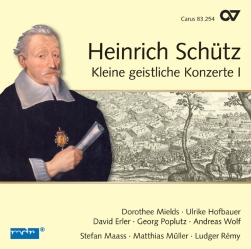
Come now, the savior of the heathen, SWV 301 (Op. 8/20) (2 versions)
Nun komm, der Heiden Heiland, SWV 301
2:17
3
2:42
Main Perform Artists
Soprano (Vocal)
Bass (Vocal)
Lute
Soprano (Vocal)
Bass (Vocal)
Violin