Franz Joseph Haydn
While hopeless, H. 31a/104
Released Album
Recent Album

Featured Album
Works Info
Composer:Franz Joseph HaydnGenre:VocalStyle:Vocal MusicCompose Date:1795Average_duration:1:23'While hopeless, H. 31a/104' is a choral work composed by Franz Joseph Haydn in 1796. It was premiered in the same year in Vienna, Austria. The piece consists of three movements and is written for four-part choir and orchestra. The first movement, marked Adagio, begins with a somber and mournful melody in the orchestra. The choir enters with a text that speaks of hopelessness and despair. The music is characterized by its slow tempo, minor key, and use of chromaticism. The movement ends with a return to the opening melody in the orchestra, creating a sense of circularity and hopelessness. The second movement, marked Allegro, is more upbeat and energetic than the first. The choir sings of the power of love to overcome despair and hopelessness. The music is characterized by its fast tempo, major key, and use of syncopation. The movement ends with a triumphant choral statement of the power of love. The final movement, marked Adagio, returns to the somber mood of the first movement. The choir sings of the inevitability of death and the transience of life. The music is characterized by its slow tempo, minor key, and use of dissonance. The movement ends with a quiet and resigned choral statement of the transience of life. 'While hopeless, H. 31a/104' is a powerful and emotional work that explores themes of despair, hopelessness, love, and mortality. Haydn's use of chromaticism, syncopation, and dissonance creates a sense of tension and unease throughout the piece. The work is a testament to Haydn's skill as a composer and his ability to convey complex emotions through music.More....
Works Music
Released Music

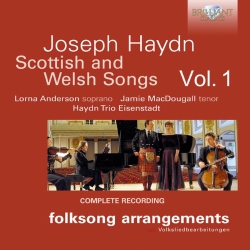
Featured Music