Charles Villiers Stanford
Symphony No. 2 in D major "Elegiac"
Released Album
Recent Album
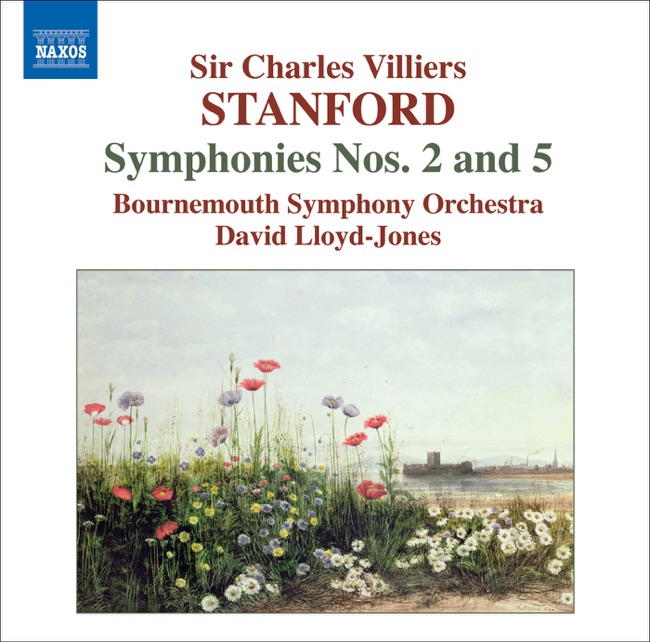
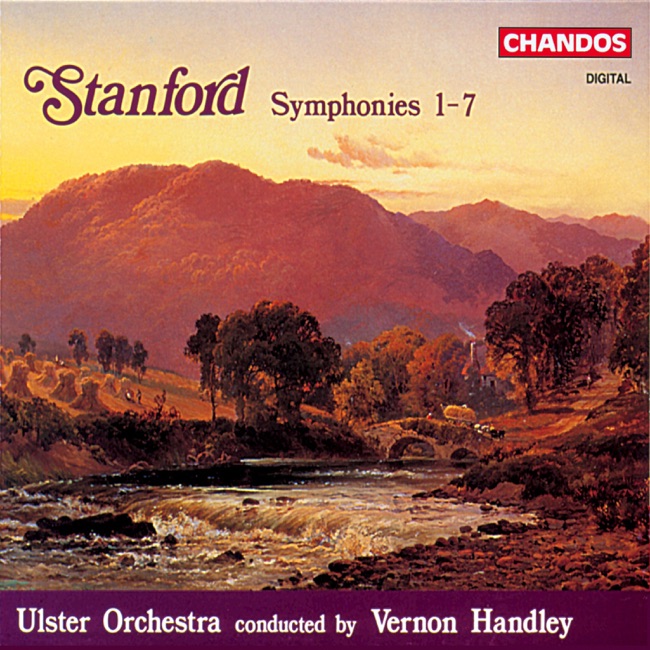
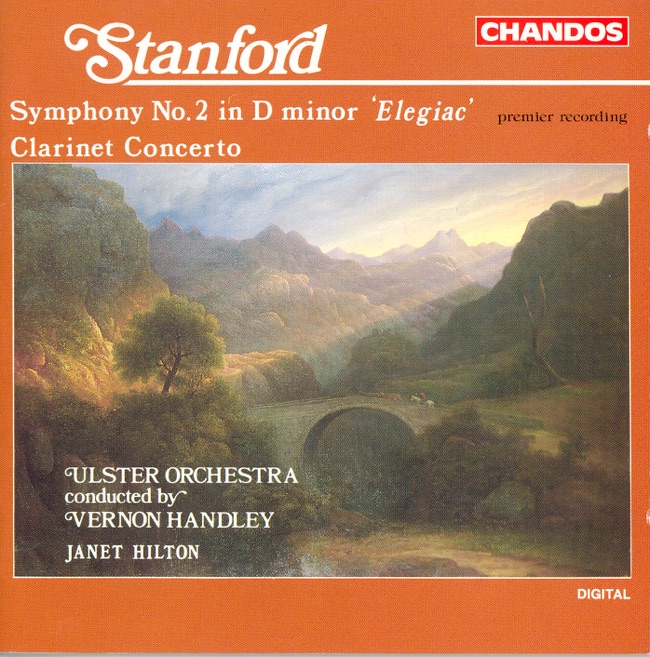
Works Info
Composer:Charles Villiers StanfordGenre:SymphonyStyle:SymphonyCompose Date:1880Average_duration:35:22Movement_count:4Movement ....Symphony No. 2 in D major Elegiac is a four-movement symphony composed by Charles Villiers Stanford. The symphony was composed in 1899 and premiered on October 12, 1901, in Liverpool, England. The symphony is dedicated to the memory of his friend and fellow composer, Arthur Henry Mann, who was the organist at King's College, Cambridge. The first movement, marked Allegro moderato, begins with a slow introduction that sets the mournful tone of the symphony. The main theme is introduced by the strings and is characterized by its lyrical and melancholic nature. The second theme, introduced by the woodwinds, is more optimistic and provides a contrast to the first theme. The development section explores both themes and leads to a powerful climax before the recapitulation brings back the main theme in a subdued manner. The second movement, marked Andante, is a beautiful and haunting elegy. The main theme is introduced by the strings and is characterized by its mournful and expressive nature. The woodwinds provide a delicate accompaniment, and the movement builds to a powerful climax before subsiding into a quiet and reflective coda. The third movement, marked Scherzo, is a lively and energetic dance. The main theme is introduced by the strings and is characterized by its playful and rhythmic nature. The trio section provides a contrast to the scherzo and is marked by its lyrical and expressive nature. The scherzo returns, and the movement ends with a lively coda. The final movement, marked Allegro molto, is a triumphant and joyful conclusion to the symphony. The main theme is introduced by the brass and is characterized by its bold and majestic nature. The second theme, introduced by the strings, is more lyrical and provides a contrast to the first theme. The development section explores both themes and leads to a powerful climax before the recapitulation brings back the main theme in a triumphant manner. The coda provides a final burst of energy and brings the symphony to a thrilling conclusion. Overall, Symphony No. 2 in D major Elegiac is a beautiful and moving work that showcases Stanford's skill as a composer. The symphony is characterized by its lyrical melodies, expressive harmonies, and powerful climaxes. The elegiac nature of the symphony is evident throughout, and the final movement provides a triumphant and joyful conclusion to the work.More....
Works Music
Released Music