


Franz Liszt
Paysage, etude for piano in F major, S. 139/3
Released Album
Recent Album
Works Info
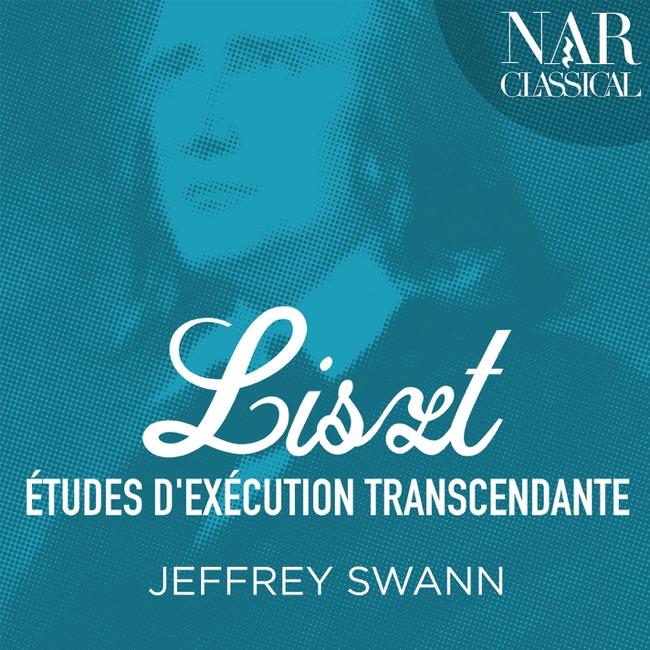
Composer:Franz LisztGenre:KeyboardStyle:Etude: ConcertCompose Date:1851Publication Date:1852Average_duration:5:55Franz Liszt's 'Paysage, etude for piano in F major, S. 139/3' is a beautiful and evocative piece of music that was composed in 1852. It is part of a set of three etudes that Liszt wrote, which are collectively known as 'Trois Etudes de Concert'. The premiere of the piece took place in Paris in 1852, and it was performed by Liszt himself. The piece is divided into three movements, each of which has its own distinct characteristics. The first movement is marked 'Andantino', and it is a gentle and flowing piece that is characterized by its use of arpeggios and delicate melodies. The second movement is marked 'Allegro', and it is a more lively and energetic piece that features rapid runs and virtuosic flourishes. The final movement is marked 'Andante', and it is a slow and contemplative piece that is characterized by its use of rich harmonies and expressive melodies. One of the most striking characteristics of 'Paysage' is its use of programmatic elements. The piece is meant to evoke the image of a peaceful landscape, and Liszt uses a variety of musical techniques to create this effect. For example, the use of arpeggios in the first movement is meant to suggest the gentle movement of a stream or river, while the use of rapid runs in the second movement is meant to suggest the bustling activity of a busy city. Overall, 'Paysage' is a beautiful and evocative piece of music that showcases Liszt's skill as a composer and pianist. Its use of programmatic elements and its expressive melodies make it a memorable and engaging piece that is beloved by pianists and audiences alike.More....
Works Music
Released Music
1
4:7
3
4:16
4
Paysage, etude for piano in F major, p. 139/3
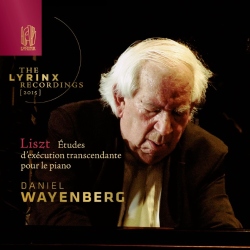
Études d'exécution transcendante: Paysage, S. 139/3
5:8
5
Paysage, etude for piano in F major, p. 139/3
Transcendental Étude No. 3 in F Major, S. 139 ("Paysage")
4:53
8
5:22
9
4:24
Main Perform Artists