Guillaume Dufay
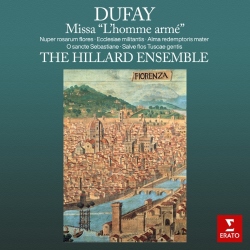
Salve flos Tusce
Released Album
Recent Album


Featured Album
Works Info
Composer:Guillaume DufayGenre:ChoralStyle:MotetCompose Date:ca. 1436Average_duration:6:22Guillaume Dufay was a prominent composer of the early Renaissance period, and his works were highly influential in shaping the musical style of the time. One of his most famous compositions is "Salve flos Tusce," a motet that was likely composed in the early 1430s. The piece is believed to have been written for the Feast of the Annunciation, which is celebrated on March 25th. It is a four-voice motet, with the text taken from a hymn to the Virgin Mary. The piece is characterized by its rich harmonies, intricate counterpoint, and expressive melodies. The motet is divided into three movements, each with its own distinct character. The first movement is a lively and joyful celebration of the Virgin Mary, with the voices weaving in and out of each other in a complex web of sound. The second movement is more contemplative, with a slower tempo and a more introspective mood. The third movement returns to the joyful tone of the first, with a lively and energetic conclusion. One of the most striking features of "Salve flos Tusce" is its use of imitation, a technique in which one voice introduces a melody that is then echoed by the other voices. This creates a sense of unity and coherence throughout the piece, as well as a sense of forward momentum that propels the music forward. Overall, "Salve flos Tusce" is a masterful example of Renaissance polyphony, with its intricate harmonies, complex counterpoint, and expressive melodies. It remains a beloved piece of music to this day, and a testament to Dufay's skill as a composer.More....
Works Music
Released Music


Featured Music