Constantijn Huygens
Domine ne in furore tuo
Released Album
Recent Album
Works Info
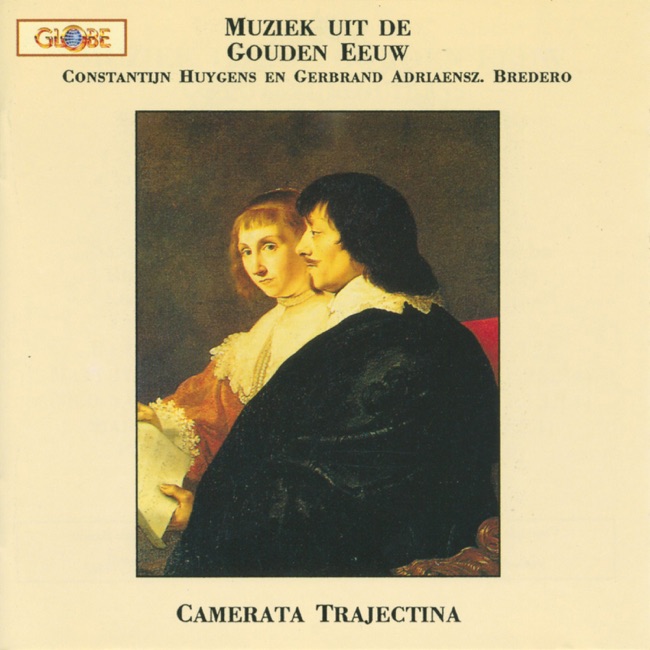
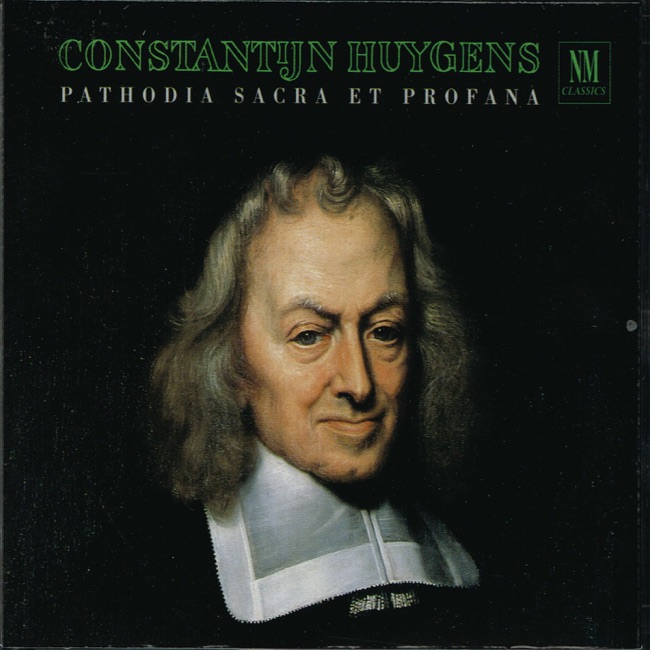
Composer:Constantijn HuygensGenre:VocalStyle:Vocal MusicAverage_duration:2:23"Domine ne in furore tuo" is a sacred choral work composed by Constantijn Huygens, a Dutch poet, composer, and diplomat, in the early 17th century. The piece was likely composed in the 1620s, during Huygens' tenure as secretary to Prince Maurits of Nassau, and was likely intended for performance in the court chapel. The work is structured in three movements, each of which sets a different section of Psalm 38. The first movement, marked "Adagio," sets the opening verses of the psalm, in which the speaker laments his sins and begs for mercy. The music is somber and introspective, with long, flowing lines and rich harmonies that reflect the speaker's sense of despair. The second movement, marked "Allegro," sets the middle section of the psalm, in which the speaker expresses his fear of God's wrath and his desire to be delivered from it. The music is more urgent and dramatic, with driving rhythms and bold, declamatory phrases that convey the speaker's sense of urgency. The final movement, marked "Largo," sets the closing verses of the psalm, in which the speaker expresses his faith in God's mercy and his hope for salvation. The music is more serene and contemplative, with gentle, flowing lines and delicate harmonies that reflect the speaker's sense of peace and comfort. Throughout the work, Huygens employs a variety of musical techniques to convey the emotional content of the text. He uses dissonance and chromaticism to express the speaker's sense of despair and fear, and employs rich harmonies and flowing melodies to convey his sense of hope and faith. The work is also notable for its use of word-painting, in which the music reflects the meaning of the text through musical gestures and effects. "Domine ne in furore tuo" was likely premiered in the court chapel at The Hague, where Huygens served as secretary to Prince Maurits. The work is representative of the Dutch choral tradition of the early 17th century, which was characterized by a fusion of Italian and German styles with native Dutch elements. Huygens' work is notable for its expressive power and its skillful use of musical techniques to convey the emotional content of the text.More....
Works Music