Charles Villiers Stanford
Symphony No. 4 in F major, Op. 31
Released Album
Recent Album
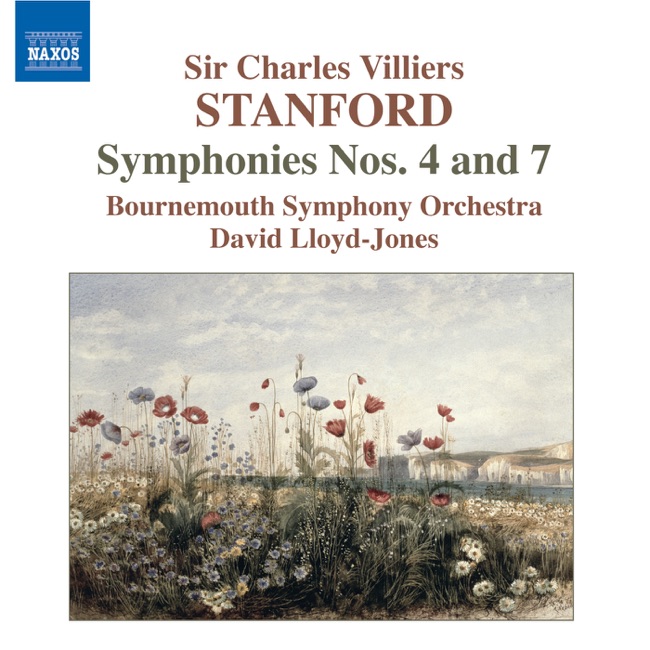

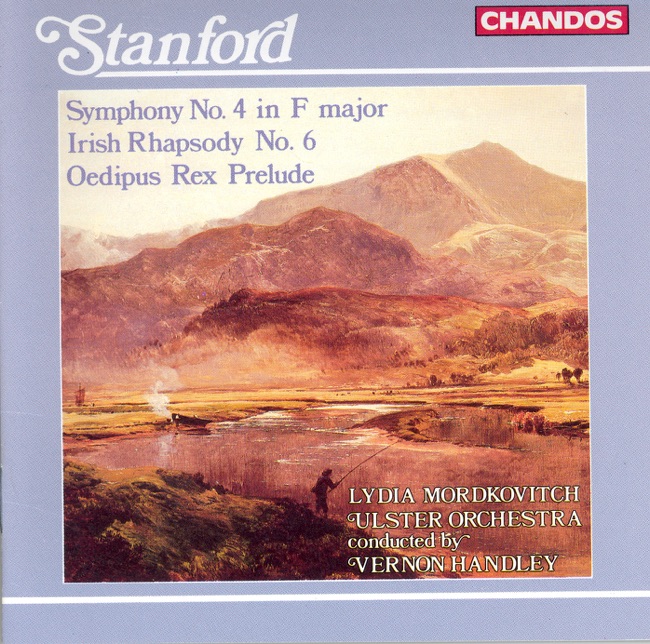
Works Info
Composer:Charles Villiers StanfordGenre:SymphonyStyle:SymphonyCompose Date:1888Average_duration:43:24Movement_count:4Movement ....Symphony No. 4 in F major, Op. 31, is a four-movement symphony composed by Charles Villiers Stanford. The symphony was composed in 1888 and premiered on March 13, 1889, at the Crystal Palace in London. The first movement, marked Allegro moderato, begins with a slow introduction featuring a lyrical theme in the strings. The main body of the movement is characterized by a lively and energetic theme in the woodwinds, which is developed throughout the movement. The movement ends with a recapitulation of the main theme. The second movement, marked Andante, is a lyrical and expressive movement featuring a beautiful melody in the strings. The movement is characterized by its use of rich harmonies and lush orchestration. The third movement, marked Scherzo: Allegro molto, is a lively and playful movement featuring a fast and rhythmic theme in the strings. The movement is characterized by its use of syncopated rhythms and playful melodies. The final movement, marked Allegro vivace, is a lively and energetic movement featuring a triumphant theme in the brass. The movement is characterized by its use of fast tempos and virtuosic orchestration. Overall, Symphony No. 4 in F major, Op. 31, is a beautiful and well-crafted symphony that showcases Stanford's skill as a composer. The symphony is characterized by its use of rich harmonies, lush orchestration, and virtuosic writing for the orchestra.More....
Works Music
Released Music