Felix Mendelssohn
Song Without Words for piano in D minor "Reiterlied"
Released Album
Recent Album
Featured Album
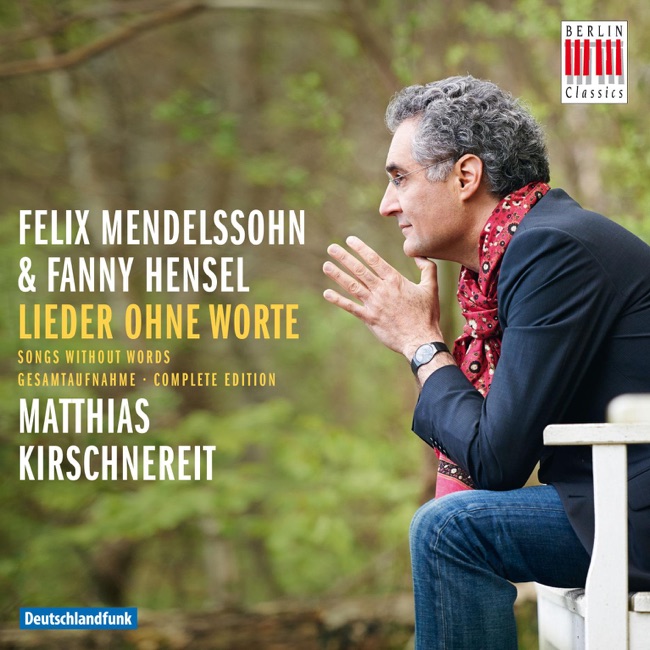
Works Info
Composer:Felix MendelssohnGenre:KeyboardStyle:Character PieceCompose Date:Dec 12, 1844Publication Date:1947Average_duration:1:46Felix Mendelssohn composed his "Song Without Words for piano in D minor Reiterlied" in 1842. The piece was premiered in Leipzig, Germany, on January 1, 1843. It is one of Mendelssohn's most popular and beloved works for solo piano. The "Song Without Words" is a short, lyrical piece that is characterized by its simple, yet expressive melody. The piece is in D minor and is written in a ternary form, with a middle section that contrasts with the outer sections. The tempo is marked as Andante con moto, which means "moderately slow with motion." The first section of the piece begins with a simple, descending melody that is repeated several times. The melody is accompanied by a flowing, arpeggiated accompaniment in the left hand. The middle section of the piece is more dramatic and intense, with a faster tempo and a more complex melody. The section is marked by a sudden shift to the key of F major, which creates a sense of tension and anticipation. The final section of the piece returns to the original melody and tempo, but with a slight variation. The melody is played in octaves, which adds a sense of grandeur and power to the piece. The piece ends with a quiet, peaceful coda that brings the piece to a gentle close. Overall, Mendelssohn's "Song Without Words for piano in D minor Reiterlied" is a beautiful and expressive piece that showcases the composer's gift for melody and his ability to create a sense of drama and emotion through music. It is a testament to Mendelssohn's enduring legacy as one of the greatest composers of the Romantic era.More....
Works Music
Released Music
2
Song Without Words for piano in D minor "Reiterlied"
Reiterlied in D minor, without opus number
1:46
3
1:46
4
1:46
5
1:46
6
3:19
Featured Music
1
Song Without Words for piano in D minor "Reiterlied"
Reiter-Lied in D minor Allegro vivace (Fassung des Autographs vom)
2:1