


Louis-Nicolas Clérambault
Basse et Dessus de Trompette
Released Album
Recent Album
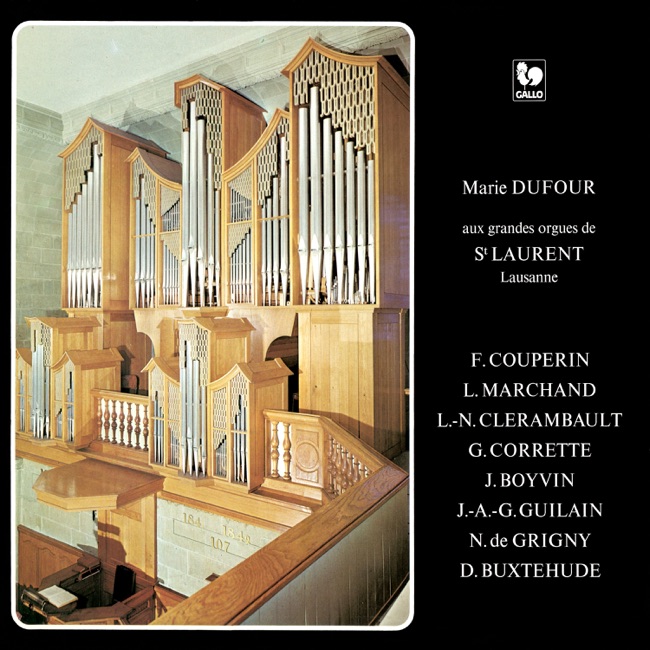
Works Info
Composer:Louis-Nicolas ClérambaultGenre:KeyboardStyle:Open FormAverage_duration:2:17Louis-Nicolas Clérambault's 'Basse et Dessus de Trompette' is a Baroque composition for two trumpets, bassoon, and continuo. It was composed in the early 18th century and premiered in Paris in 1714. The piece consists of four movements, each with its own unique characteristics. The first movement, marked "Grave," is a slow and solemn introduction that sets the tone for the rest of the piece. The trumpets and bassoon play a series of long, sustained notes that create a sense of anticipation and tension. The second movement, marked "Allegro," is a lively and energetic dance. The trumpets and bassoon play a series of fast, intricate melodies that are full of ornamentation and virtuosity. The continuo provides a steady rhythmic foundation for the other instruments. The third movement, marked "Largo," is a slow and expressive aria. The trumpets and bassoon play a series of long, lyrical lines that are full of emotion and pathos. The continuo provides a simple, yet effective harmonic accompaniment. The fourth and final movement, marked "Vivace," is a fast and lively dance. The trumpets and bassoon play a series of fast, syncopated rhythms that are full of energy and excitement. The continuo provides a driving, rhythmic pulse that propels the other instruments forward. Overall, 'Basse et Dessus de Trompette' is a virtuosic and expressive work that showcases the technical and musical abilities of the trumpets and bassoon. The piece is characterized by its intricate melodies, ornamentation, and rhythmic vitality, and is a testament to Clérambault's skill as a composer.More....
Works Music
Released Music
1
1:57
5
2:16