Philip Paul Bliss
Brightly Beams Our Father's Mercy
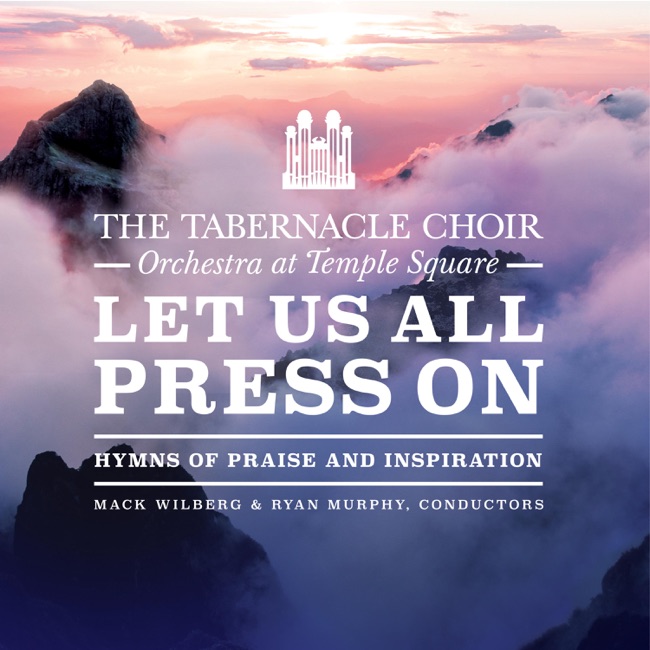
Released Album
Recent Album

Works Info
Composer:Philip Paul BlissGenre:ChoralAverage_duration:5:31Brightly Beams Our Father's Mercy is a hymn composed by Philip Paul Bliss in 1871. The hymn was first published in Gospel Hymns No. 2, a collection of hymns compiled by Bliss and Ira D. Sankey. The hymn has since become a popular Christian hymn and is often sung in churches and religious gatherings. The hymn is composed of three verses and a chorus. The first verse begins with the line "Brightly beams our Father's mercy, From His lighthouse evermore," and goes on to describe the mercy and love of God that shines like a beacon to guide us through life's storms. The second verse speaks of the dangers and temptations that we face in life, but reassures us that God's mercy is always there to guide us. The third verse speaks of the final journey we all must take, and how God's mercy will guide us safely to our eternal home. The chorus of the hymn is a call to action, urging us to "Let the lower lights be burning! Send a gleam across the wave!" This is a reference to the practice of lighthouses using lower lights to guide ships safely into harbor. The hymn encourages us to be like those lower lights, shining our own light to guide others to safety. The hymn is typically sung in a slow and reverent manner, with a simple melody that is easy to sing. The lyrics are filled with imagery and metaphors that help to convey the message of God's love and mercy. The hymn is often used in times of mourning or reflection, as it provides comfort and reassurance in the face of life's challenges. Overall, Brightly Beams Our Father's Mercy is a beautiful and timeless hymn that continues to inspire and uplift people of all ages and backgrounds. Its message of God's love and mercy is as relevant today as it was when it was first composed over a century ago.More....
Works Music