


Philip Paul Bliss
Released Album
Vocal
-
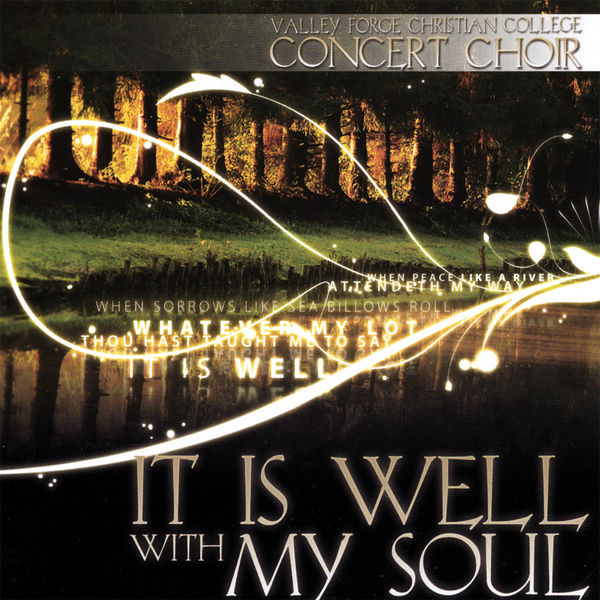 December 6, 2007
 -
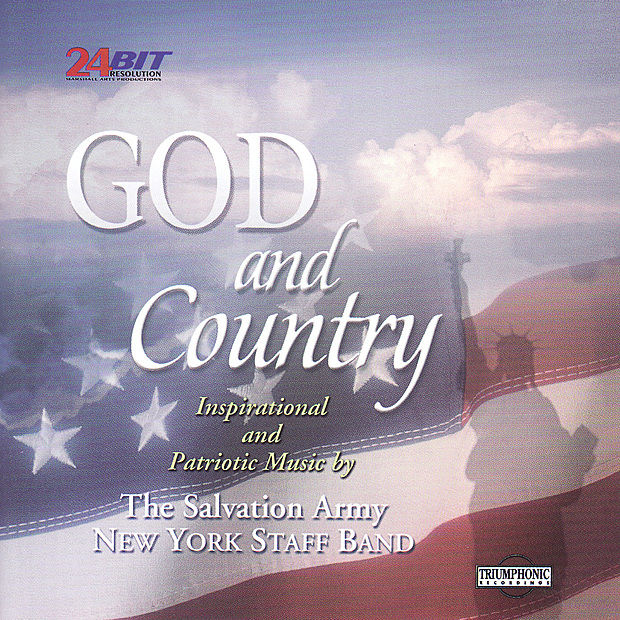 August 7, 2007
Choral
-
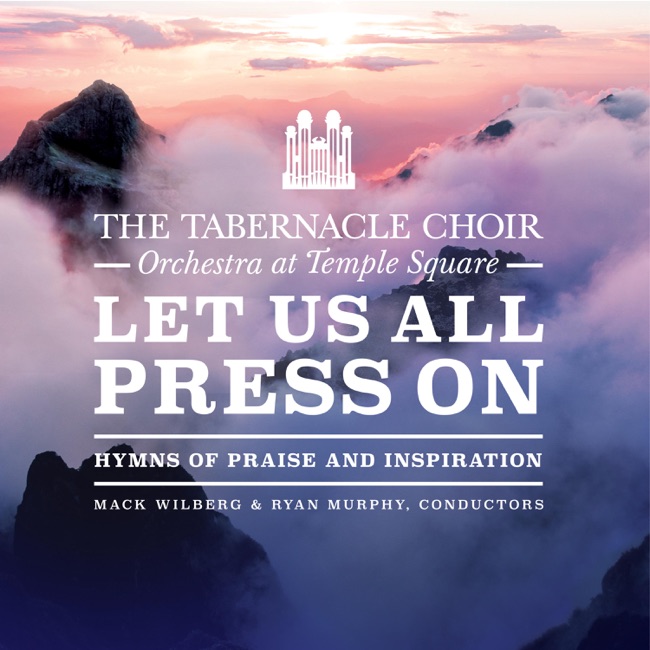 March 8, 2019
 -
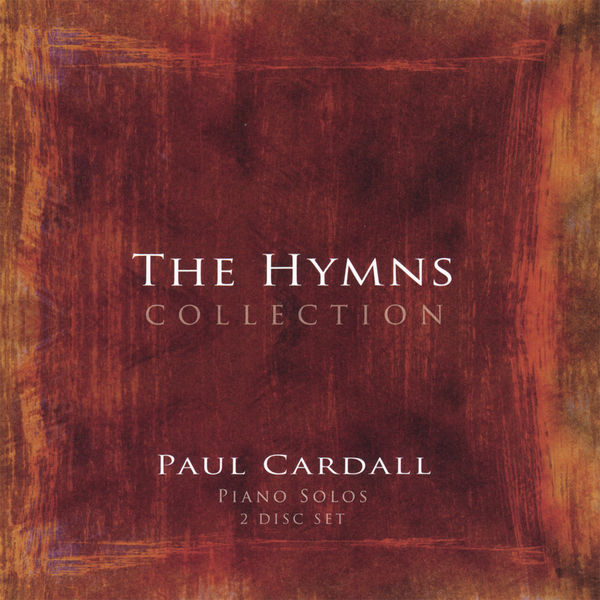 March 1, 2008
 -
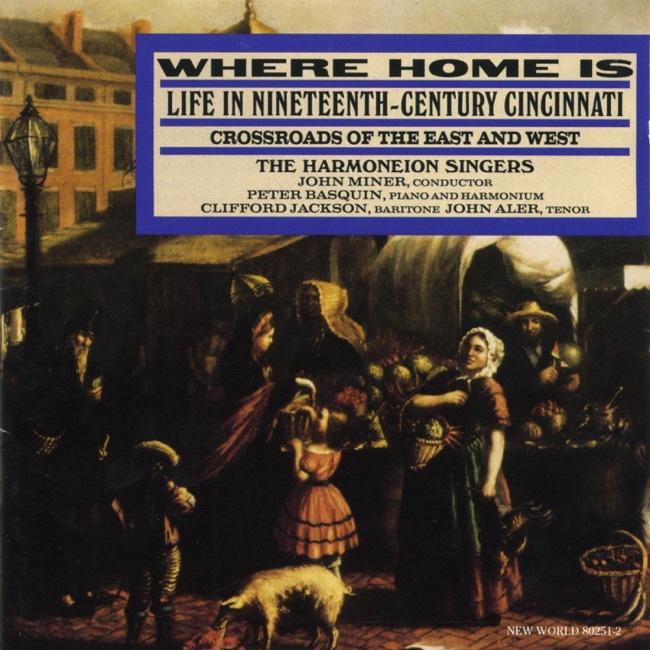 June 20, 1995
Artist Info
Role:ComposerCountry: United States of AmericaBirth:November 25, 1872Death:February 2, 1933Period:RomanticGenre:ChamberChoralKeyboardVocalPhilip Paul Bliss was a renowned American composer of hymns and gospel songs in the 19th century. He was born on July 9, 1838, in Clearfield County, Pennsylvania, to Isaac Bliss and Lydia Doolittle Bliss. His father was a farmer and a lay preacher, and his mother was a singer and a pianist. Bliss grew up in a musical family, and he showed an early interest in music. He learned to play the flute, the violin, and the piano, and he sang in the church choir. Bliss received his formal education at the New Lyme Academy in Ohio, where he studied music and literature. He also attended the Normal Academy in Rome, Pennsylvania, where he learned to teach. After completing his education, Bliss worked as a music teacher and a singing school instructor in various towns in Pennsylvania and Ohio. In 1859, Bliss married Lucy J. Young, and they had two sons, George and Philip. Bliss continued to work as a music teacher and a singing school instructor, but he also began to compose music. His first published song was "Lora Vale," which he wrote in 1864. The song was well-received, and it encouraged Bliss to pursue a career as a composer. Bliss's breakthrough came in 1869 when he met evangelist Dwight L. Moody. Moody was impressed by Bliss's music and invited him to join his evangelistic team. Bliss accepted the invitation and became Moody's song leader. He traveled with Moody throughout the United States and Europe, leading the singing at Moody's revival meetings. Bliss's music became an integral part of Moody's evangelistic campaigns. He wrote many hymns and gospel songs that were sung at Moody's meetings, including "Hold the Fort," "Almost Persuaded," and "Wonderful Words of Life." Bliss's music was simple, catchy, and easy to sing, and it appealed to a wide audience. His songs became popular not only in the United States but also in Europe and other parts of the world. Bliss's most famous hymn, "It Is Well with My Soul," was written in 1873. The hymn was inspired by a personal tragedy. Bliss and his wife were traveling to Europe on the steamship Ville du Havre when the ship collided with another vessel and sank. Bliss survived the accident, but his wife and two sons perished. Bliss was devastated by the loss, but he found comfort in his faith. He wrote "It Is Well with My Soul" as a testimony to his trust in God. Bliss continued to compose music and travel with Moody until his untimely death in 1876. He was only 38 years old when he died in a train accident in Ashtabula, Ohio. Bliss was traveling with his wife and a group of musicians when their train derailed and plunged into a ravine. Bliss and his wife were killed instantly, along with many other passengers. Bliss's legacy as a composer of hymns and gospel songs lives on. His music has been sung by generations of Christians and has inspired countless people around the world. Some of his most famous hymns, besides "It Is Well with My Soul," include "Hallelujah, What a Savior," "Let the Lower Lights Be Burning," and "Dare to Be a Daniel." His music is still popular today and is often sung in churches and at Christian gatherings. In conclusion, Philip Paul Bliss was a gifted composer of hymns and gospel songs who left a lasting impact on Christian music. He was born into a musical family and showed an early interest in music. He worked as a music teacher and a singing school instructor before becoming a full-time composer.More....
Copyright Ⓒ 2013 Davinci Finger. All rights reseved
Service Terms & Policy