Franz Liszt
Winterreise (12) (after Schubert, D. 911), S. 561
Released Album
Recent Album






Works Info
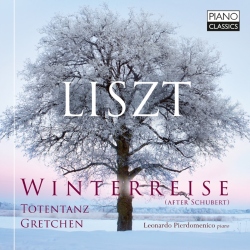
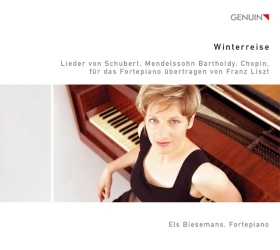
Composer:Franz LisztGenre:KeyboardStyle:KeyboardCompose Date:1839Publication Date:1840Average_duration:38:46Movement_count:12Movement ....Franz Liszt's "Winterreise (12) (after Schubert, D. 911), S. 561" is a transcription of Franz Schubert's song cycle "Winterreise." Liszt composed this work in 1844, and it premiered in the same year. The transcription consists of twelve movements, each corresponding to one of the twelve songs in Schubert's cycle. Liszt's transcription of "Winterreise" is a masterful example of his skill as a pianist and composer. He captures the essence of Schubert's songs while adding his own unique touch to the music. The transcription is notable for its use of Liszt's signature virtuosic piano writing, which adds a new dimension to Schubert's already powerful music. The first movement of Liszt's transcription, "Gute Nacht," sets the tone for the entire work. It begins with a hauntingly beautiful melody played in the upper register of the piano, which is then joined by a simple accompaniment in the left hand. The second movement, "Die Wetterfahne," is more lively and features Liszt's virtuosic piano writing. The third movement, "Gefrorne Tränen," is a slow and mournful piece that captures the sadness and despair of the lyrics. The fourth movement, "Erstarrung," is more intense and features Liszt's use of chromaticism to create a sense of tension and unease. The fifth movement, "Der Lindenbaum," is one of the most famous songs in Schubert's cycle, and Liszt's transcription does it justice. The melody is played with great sensitivity and emotion, and the accompaniment is simple yet effective. The sixth movement, "Wasserflut," is a dramatic piece that features Liszt's use of octaves to create a sense of power and intensity. The seventh movement, "Auf dem Flusse," is a slower and more contemplative piece that captures the stillness and quiet of a frozen river. The eighth movement, "Rückblick," is a nostalgic piece that features Liszt's use of rubato to create a sense of longing and regret. The ninth movement, "Irrlicht," is a hauntingly beautiful piece that captures the eerie atmosphere of the lyrics. The tenth movement, "Rast," is a peaceful and serene piece that provides a moment of respite from the intensity of the previous movements. The eleventh movement, "Frühlingstraum," is a hopeful and optimistic piece that captures the sense of renewal and rebirth that comes with spring. The final movement, "Der Leiermann," is a hauntingly beautiful piece that captures the sadness and despair of the lyrics. Liszt's transcription of "Winterreise" is a masterpiece of piano writing and a testament to his skill as a composer and pianist.More....
Works Music
Released Music