Georg Muffat
Gratitudo
Released Album
Recent Album

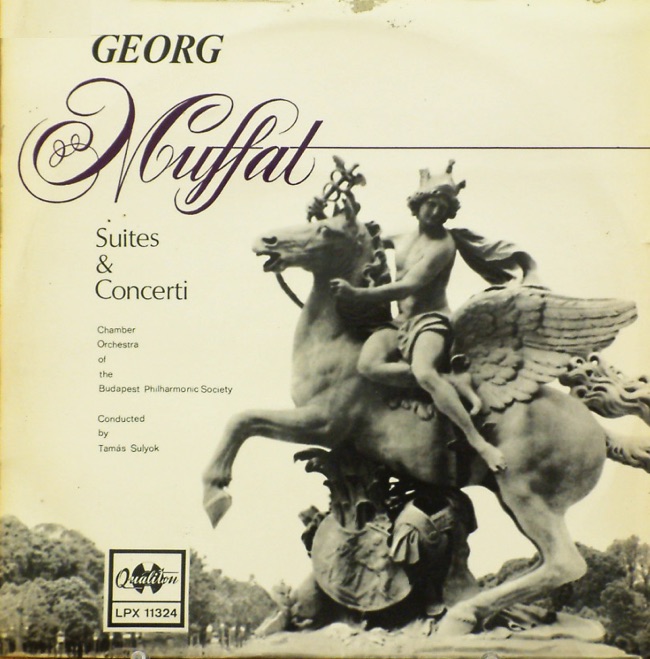
Works Info
Composer:Georg MuffatGenre:OrchestralStyle:OrchestralPublication Date:1695Georg Muffat was a Baroque composer and organist who was born in Savoy, France in 1653. He was known for his innovative compositions that combined elements of French, Italian, and German music. One of his most famous works is "Gratitudo," a suite for orchestra that was composed in 1698. "Gratitudo" was first performed in Salzburg, Austria on December 26, 1698. The suite consists of six movements, each of which is named after a different virtue. The movements are as follows: 1. Prudentia (Prudence) 2. Justitia (Justice) 3. Fortitudo (Fortitude) 4. Temperantia (Temperance) 5. Fides (Faith) 6. Spes (Hope) Each movement of "Gratitudo" is characterized by its own unique style and instrumentation. The first movement, Prudentia, is a lively dance in triple meter that features the strings and winds. The second movement, Justitia, is a slow and stately piece that is dominated by the brass and timpani. The third movement, Fortitudo, is a fast and energetic piece that showcases the virtuosity of the strings. The fourth movement, Temperantia, is a gentle and graceful piece that features the oboe and strings. The fifth movement, Fides, is a solemn and contemplative piece that is dominated by the organ. The final movement, Spes, is a joyful and triumphant piece that features the full orchestra. Overall, "Gratitudo" is a masterful example of Baroque orchestral music. It showcases Muffat's skill in combining different musical styles and traditions to create a cohesive and innovative work. The suite is characterized by its lively rhythms, rich harmonies, and virtuosic instrumental writing. It remains a popular work in the Baroque repertoire and is frequently performed by orchestras around the world.More....