


Giovanni Benedetto Platti
Concerto grosso in D major, D-WD 538 (after Corelli's Op. 5/1)
Released Album
Recent Album
Works Info
Composer:Giovanni Benedetto PlattiGenre:ConcertoAverage_duration:11:07Movement_count:5Movement ....Giovanni Benedetto Platti's Concerto grosso in D major, D-WD 538 (after Corelli's Op. 5/1) is a Baroque masterpiece that was composed in the early 18th century. The concerto grosso is a musical form that originated in the Baroque era and is characterized by the use of a small group of soloists (concertino) and a larger ensemble (ripieno). Platti's concerto grosso is a tribute to the Italian composer Arcangelo Corelli, whose Op. 5/1 served as the basis for Platti's composition. The Concerto grosso in D major, D-WD 538 is believed to have been composed in the early 1720s, during Platti's tenure as a court musician in Würzburg, Germany. The concerto grosso is comprised of four movements: a lively and energetic Allegro, a graceful and lyrical Largo, a playful and dance-like Allegro, and a lively and spirited Allegro. The concerto grosso is scored for two violins, viola, cello, and basso continuo. The first movement of the concerto grosso is a lively and energetic Allegro that features the concertino group of two violins and cello. The ripieno group provides a rich and full accompaniment, with the basso continuo providing a steady and driving rhythm. The second movement, a graceful and lyrical Largo, features the concertino group of two violins and viola. The ripieno group provides a delicate and understated accompaniment, with the basso continuo providing a gentle and flowing rhythm. The third movement of the concerto grosso is a playful and dance-like Allegro that features the concertino group of two violins and cello. The ripieno group provides a lively and energetic accompaniment, with the basso continuo providing a driving and rhythmic pulse. The final movement of the concerto grosso is a lively and spirited Allegro that features the concertino group of two violins and cello. The ripieno group provides a full and rich accompaniment, with the basso continuo providing a driving and energetic rhythm. Overall, Platti's Concerto grosso in D major, D-WD 538 is a masterful example of the Baroque concerto grosso form. The composition showcases Platti's skill as a composer and his ability to pay tribute to the great composers who came before him. The concerto grosso is characterized by its lively and energetic rhythms, graceful and lyrical melodies, and playful and dance-like themes. It remains a beloved work in the Baroque repertoire and a testament to the enduring legacy of the concerto grosso form.More....
Works Music
Released Music
1
Concerto grosso in D major, D-WD 538 (after Corelli's Op. 5/1)
Grave - Allegro - Adagio - Grave - Allegro - Adagio
3:11
2
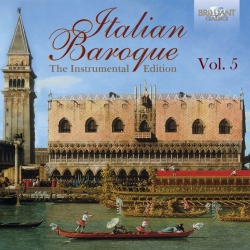
Concerto grosso in D major, D-WD 538 (after Corelli's Op. 5/1)
I. Grave - Allegro - Adagio - Grave - Allegro - Adagio
3:11
3
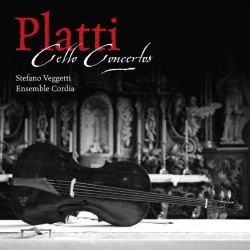
Concerto grosso in D major, D-WD 538 (after Corelli's Op. 5/1)
1. Grave - Allegro - Adagio - Grave - Allegro - Adagio
3:11