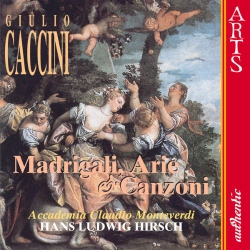
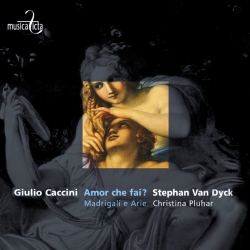
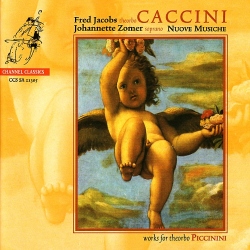
Giulio Caccini
Udite, udite, amanti
Released Album
Recent Album
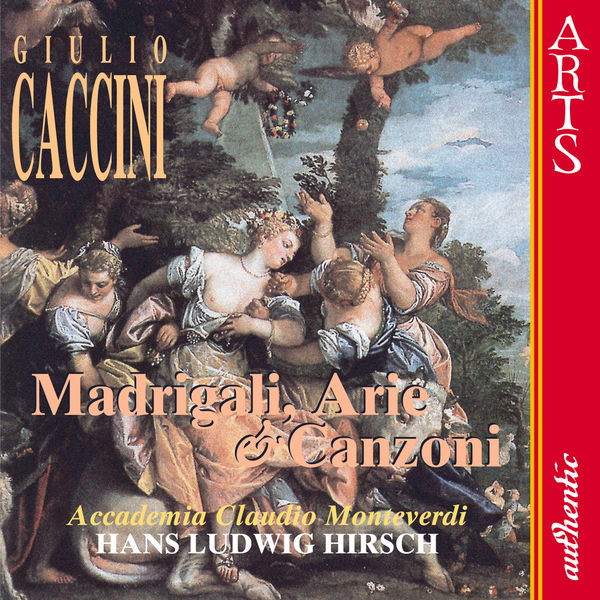
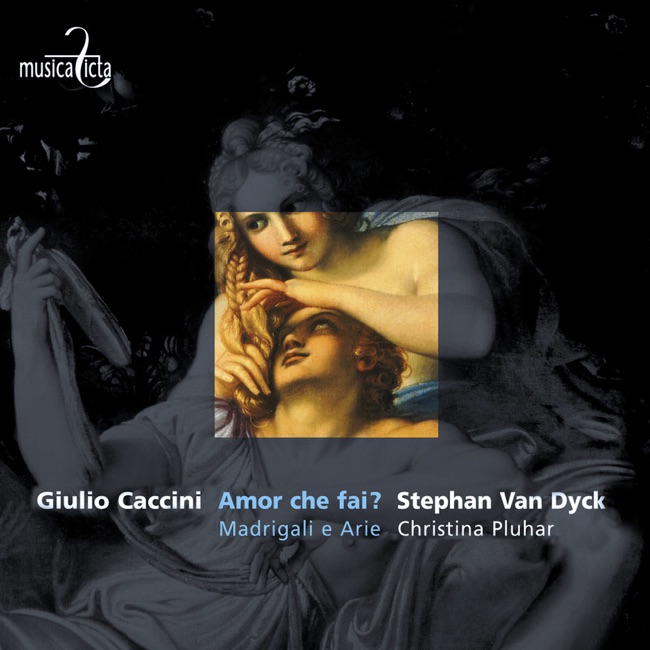
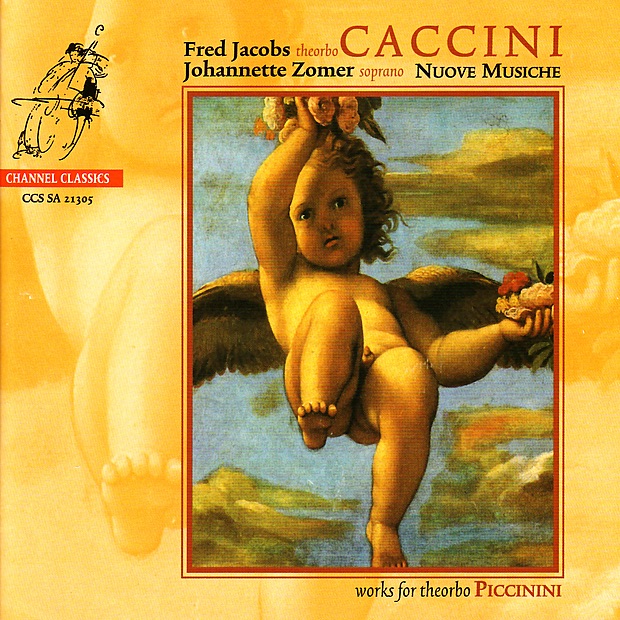
Works Info
Composer:Giulio CacciniGenre:VocalStyle:Vocal MusicAverage_duration:2:31'Udite, udite, amanti' is a vocal piece composed by Giulio Caccini, an Italian composer, singer, and teacher of the early Baroque era. The piece was composed in the early 17th century and was premiered in Florence, Italy. It is a part of Caccini's collection of songs called 'Le nuove musiche' (The New Music), which was published in 1602. 'Udite, udite, amanti' is a solo vocal piece that is accompanied by a basso continuo. The piece is divided into two movements, with the first movement being in a slow tempo and the second movement being in a faster tempo. The first movement is in the key of C major and is characterized by its expressive and lyrical melody. The second movement is in the key of G major and is characterized by its lively and dance-like rhythm. The piece is written in the style of monody, which was a new style of vocal music that emerged during the Baroque era. Monody is characterized by a single vocal line that is accompanied by a simple instrumental accompaniment. This style of music was a departure from the polyphonic style of the Renaissance era, where multiple vocal lines were sung simultaneously. 'Udite, udite, amanti' is a prime example of the monodic style of music. The piece is written in a simple and straightforward manner, with the focus being on the expressive qualities of the vocal line. The basso continuo provides a simple harmonic framework for the vocal line, allowing the singer to express the emotions of the text. The text of 'Udite, udite, amanti' is a love poem that speaks of the joys and sorrows of love. The text is written in a simple and direct manner, with the focus being on the emotions of the speaker. The music of the piece is closely tied to the text, with the melody and rhythm reflecting the emotions of the words. In conclusion, 'Udite, udite, amanti' is a beautiful example of the monodic style of music that emerged during the Baroque era. The piece is characterized by its expressive melody, simple accompaniment, and close connection between the music and text. It is a testament to the genius of Giulio Caccini and his contribution to the development of vocal music during the early Baroque era.More....
Works Music
Released Music