


Giulio Caccini
Released Album
Vocal
-
 August 2, 2024
 -
 May 21, 2024
 -
 May 1, 2024
 -
 January 26, 2024
 -
 December 24, 2023
 -
 November 28, 2023
Opera
-
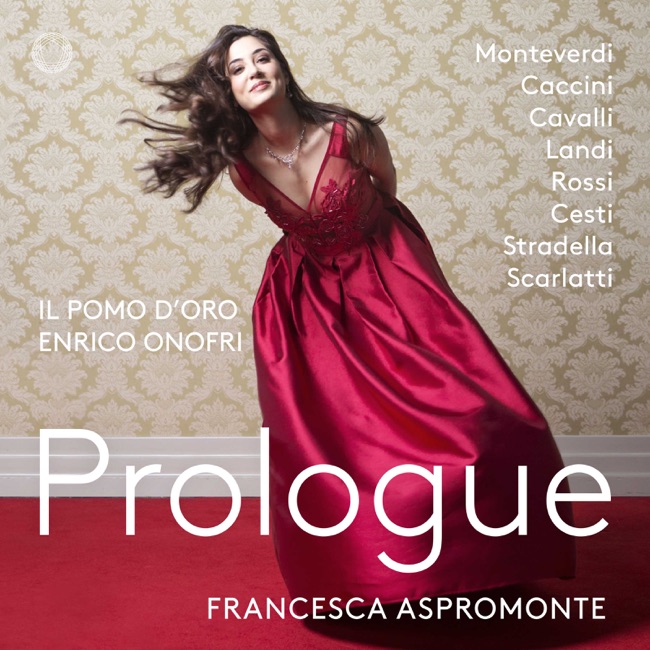 May 4, 2018
 -
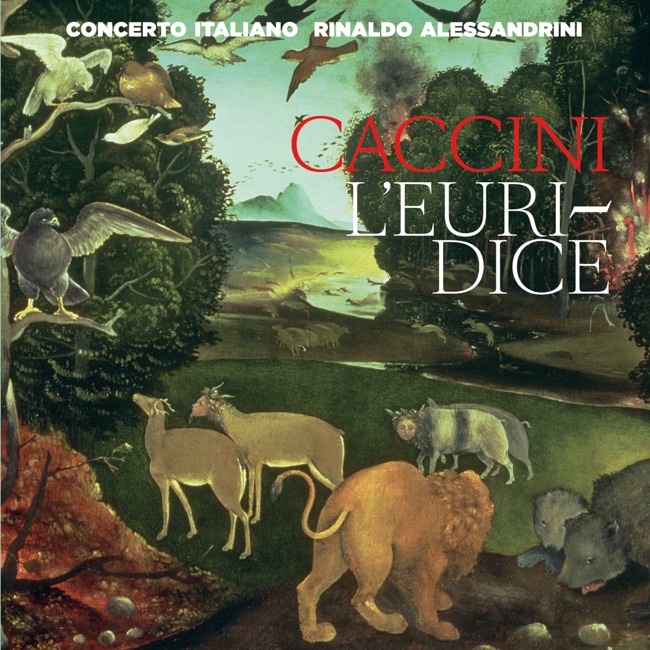 March 10, 2014
 -
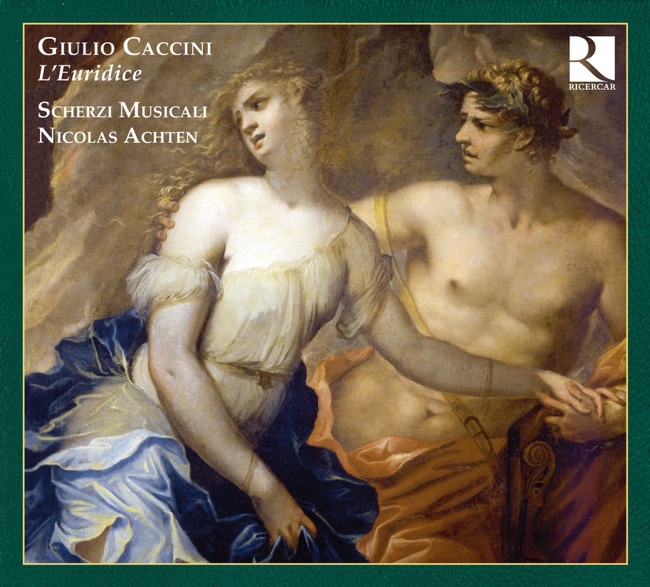 January 13, 2009
 -
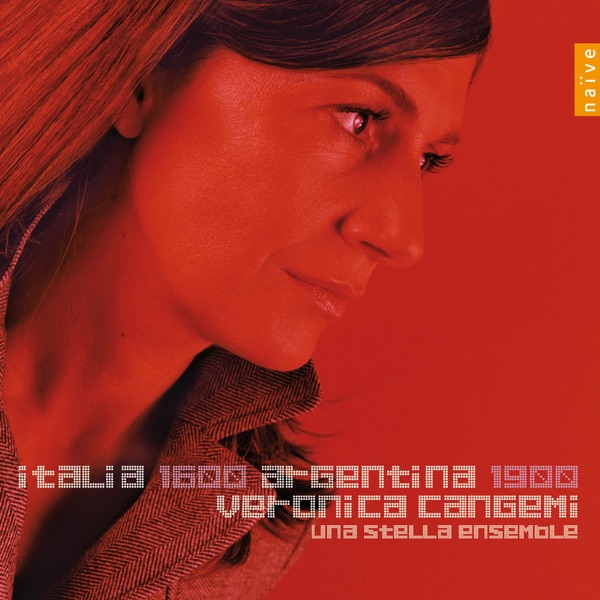 November 18, 2008
 -
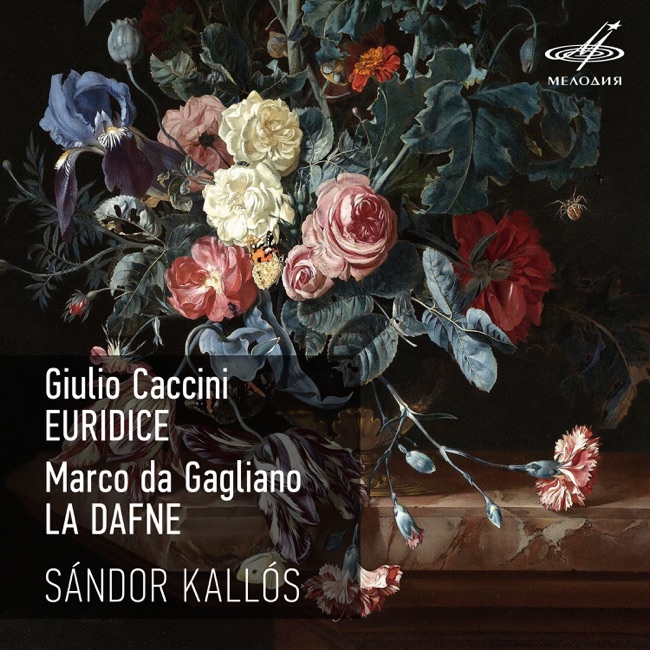 January 1, 1981
Chamber
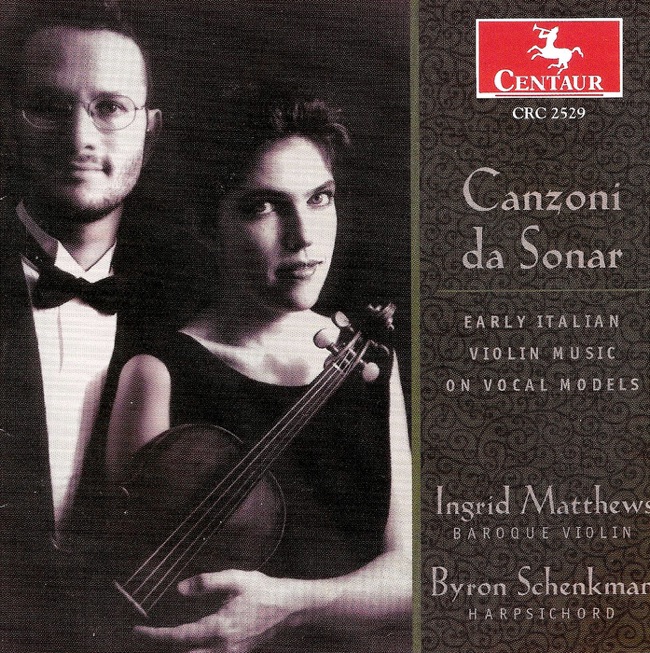
Artist Info
Role:ComposerCountry: ItalyBirth:October 8, 1551 in Tivoli, ItalyDeath:December 10, 1618 in Florence, ItalyPeriod:RenaissanceBaroqueGenre:VocalGiulio Caccini was an Italian composer, singer, and teacher who lived during the late Renaissance and early Baroque periods. He was born in Rome in 1551, the son of a musician and composer named Giovanni Caccini. Giulio grew up in a musical family and began his musical education at a young age. As a young man, Caccini moved to Florence, where he became a member of the Florentine Camerata, a group of musicians and intellectuals who were interested in reviving the musical style of ancient Greece. The Camerata believed that music should be based on the natural rhythms and melodies of speech, and they sought to create a new style of music that was more expressive and emotional than the polyphonic music of the Renaissance. Caccini was one of the leading members of the Camerata, and he played an important role in the development of the new style of music that came to be known as opera. He composed several operas himself, including Euridice, which was first performed in 1600 and is considered one of the earliest operas in the Western tradition. In addition to his work as a composer, Caccini was also a renowned singer and teacher. He was known for his beautiful voice and his ability to convey emotion through his singing. He taught singing to many of the leading musicians of his time, including the famous castrato singer Giovanni Gualberto Magli. Caccini's most famous work is probably his collection of songs for voice and basso continuo, called Le nuove musiche (The New Music), which was published in 1602. The collection includes 12 songs that showcase Caccini's new style of music, which was characterized by a more expressive and emotional use of melody and harmony. One of the most famous songs in the collection is "Amarilli, mia bella," which has become a staple of the classical vocal repertoire. The song is a beautiful example of Caccini's style, with its flowing melody and expressive use of harmony. Caccini's music was highly influential in the development of the Baroque style, which followed the Renaissance. His emphasis on emotional expression and the use of melody as the basis for musical composition helped to pave the way for the great Baroque composers such as Bach, Handel, and Vivaldi. Despite his many accomplishments, Caccini's life was not without its difficulties. He was involved in a bitter dispute with another composer, Jacopo Peri, over who had invented the new style of music that came to be known as opera. The dispute became so heated that it led to a physical altercation between the two men. Caccini also suffered from financial difficulties throughout his life, and he was forced to sell many of his possessions in order to make ends meet. He died in Florence in 1618, at the age of 67. Despite these challenges, Caccini's legacy as a composer, singer, and teacher has endured. His music continues to be performed and studied by musicians and scholars around the world, and his contributions to the development of opera and the Baroque style are widely recognized.More....
Recent Artist Music









Related Artists
Copyright Ⓒ 2013 Davinci Finger. All rights reseved
Service Terms & Policy