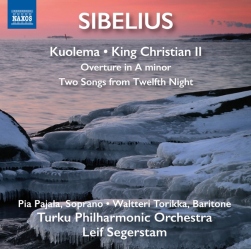
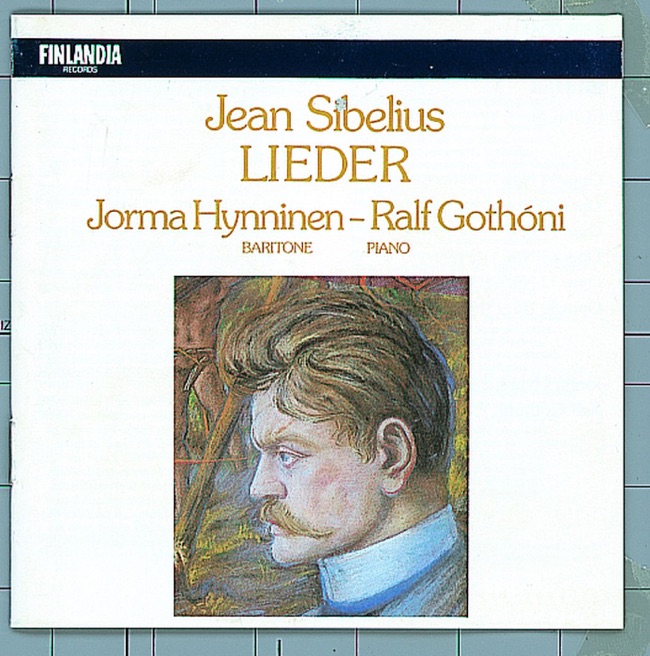
Jean Sibelius
Twelfth Night, Op. 60
Released Album
Recent Album

Featured Album
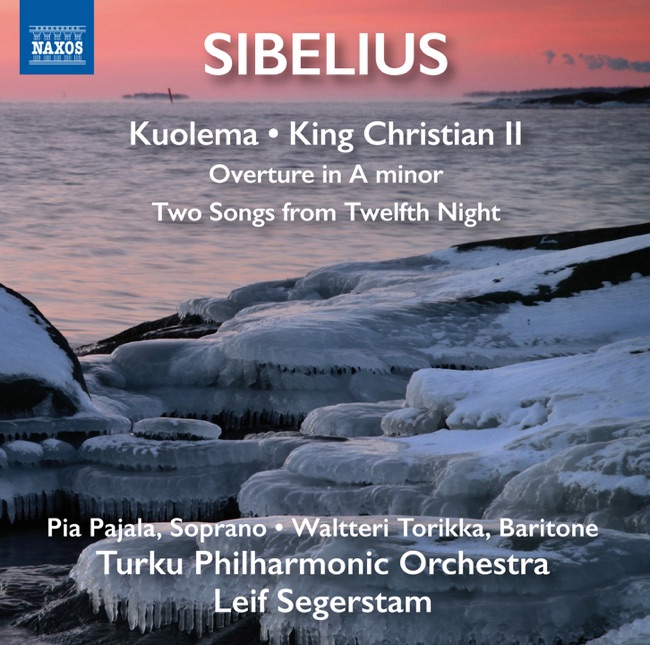
Works Info
Composer:Jean SibeliusGenre:VocalStyle:Incidental MusicCompose Date:1909Average_duration:5:24Movement_count:2Movement ....Jean Sibelius' 'Twelfth Night, Op. 60' is a suite of incidental music composed for the play of the same name by William Shakespeare. The composition was completed in 1901 and premiered on January 6, 1902, at the Swedish Theatre in Helsinki, Finland. The suite consists of nine movements, each of which captures the essence of the play's characters and themes. The first movement, titled 'Overture,' sets the tone for the entire suite with its lively and festive melody. It features a bright and cheerful orchestration, with the use of brass and percussion instruments. The second movement, 'Serenade,' is a delicate and romantic piece that reflects the love triangle between the characters of Viola, Orsino, and Olivia. The movement features a solo violin accompanied by a harp and strings. The third movement, 'Intermezzo,' is a playful and whimsical piece that captures the mischievous nature of the character of Sir Toby Belch. The movement features a lively and syncopated melody played by the woodwinds and strings. The fourth movement, 'March of the Night Watch,' is a dramatic and ominous piece that reflects the dark and mysterious nature of the play's subplot. The movement features a heavy and foreboding orchestration, with the use of brass and percussion instruments. The fifth movement, 'Song of the Clown,' is a melancholic and introspective piece that reflects the character of Feste, the fool. The movement features a solo clarinet accompanied by a harp and strings. The sixth movement, 'Melodrama,' is a dramatic and intense piece that reflects the climactic scene of the play. The movement features a spoken word narration accompanied by a dark and brooding orchestration. The seventh movement, 'Dance of the Women,' is a lively and energetic piece that reflects the festive and celebratory nature of the play's ending. The movement features a fast and rhythmic melody played by the woodwinds and strings. The eighth movement, 'Finale,' is a triumphant and grandiose piece that brings the suite to a close. The movement features a majestic and uplifting orchestration, with the use of brass and percussion instruments. Overall, 'Twelfth Night, Op. 60' is a masterful composition that captures the essence of Shakespeare's play through its diverse and evocative movements. Sibelius' use of orchestration and melody creates a vivid and immersive musical experience that complements the play's themes and characters.More....
Works Music
Released Music

Featured Music