Robert Schumann
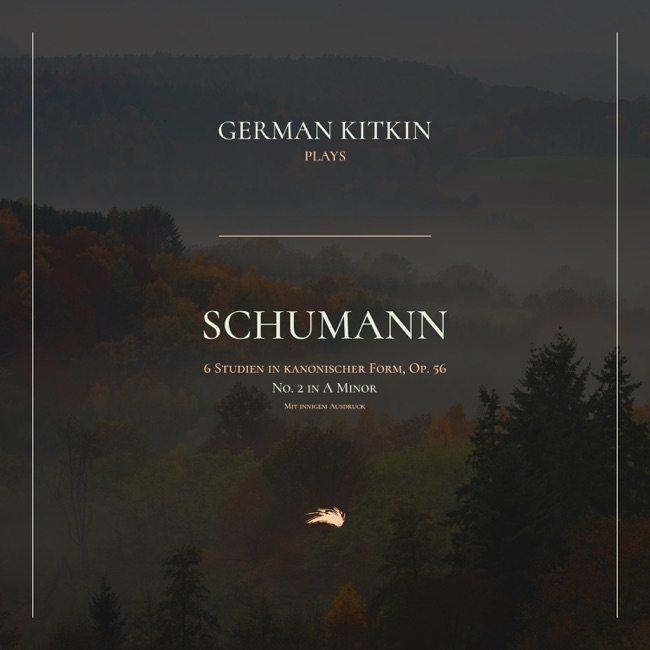
Etude No. 2 in A minor, Op. 56/2
Released Album
Recent Album
-
 German KitkinJuly 5, 2024
 -

-
-

-
-
Works Info
Composer:Robert SchumannGenre:KeyboardStyle:CanonCompose Date:1845Average_duration:4:04Robert Schumann's 'Etude No. 2 in A minor, Op. 56/2' is a piano piece that was composed in 1845. It was premiered in Leipzig on January 1, 1846, by Clara Schumann, Robert's wife, who was a renowned pianist of her time. The piece is part of a set of six etudes that Schumann composed for the piano, which were published as Opus 56. The 'Etude No. 2 in A minor' is a relatively short piece, lasting only about two minutes. It is in A minor and is written in 3/4 time. The piece is characterized by its fast and virtuosic passages, which require a high level of technical skill from the performer. The etude is also marked by its use of arpeggios, which are played in rapid succession, creating a cascading effect. The piece is divided into three distinct sections or movements. The first movement is marked 'Allegro', and it begins with a series of arpeggios that are played in the right hand. The left hand then enters with a melody that is played in octaves. The two hands then alternate, with the right hand playing a series of fast runs while the left hand continues with the melody. The movement ends with a series of descending arpeggios. The second movement is marked 'Vivace', and it begins with a series of fast runs that are played in both hands. The right hand then plays a melody that is accompanied by a series of chords in the left hand. The two hands then alternate, with the left hand playing a series of fast runs while the right hand continues with the melody. The movement ends with a series of ascending arpeggios. The final movement is marked 'Presto', and it begins with a series of fast runs that are played in both hands. The right hand then plays a melody that is accompanied by a series of chords in the left hand. The two hands then alternate, with the left hand playing a series of fast runs while the right hand continues with the melody. The movement ends with a series of descending arpeggios. Overall, Schumann's 'Etude No. 2 in A minor, Op. 56/2' is a challenging and virtuosic piece that showcases the technical abilities of the performer. Its use of arpeggios and fast runs creates a sense of cascading motion that is both exciting and exhilarating. The piece is a testament to Schumann's skill as a composer and his ability to create music that is both technically demanding and musically satisfying.More....
Works Music
Released Music
1
3:32