


Benjamin Britten
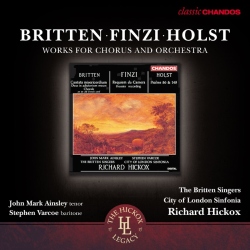
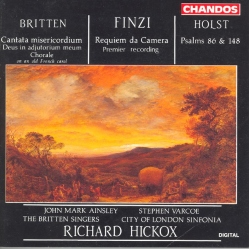
Cantata misericordium, Op. 69
Released Album
Recent Album
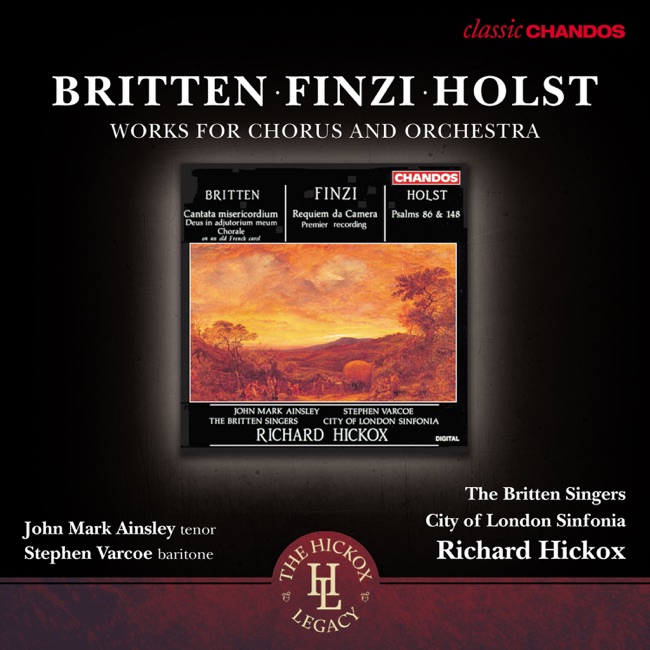
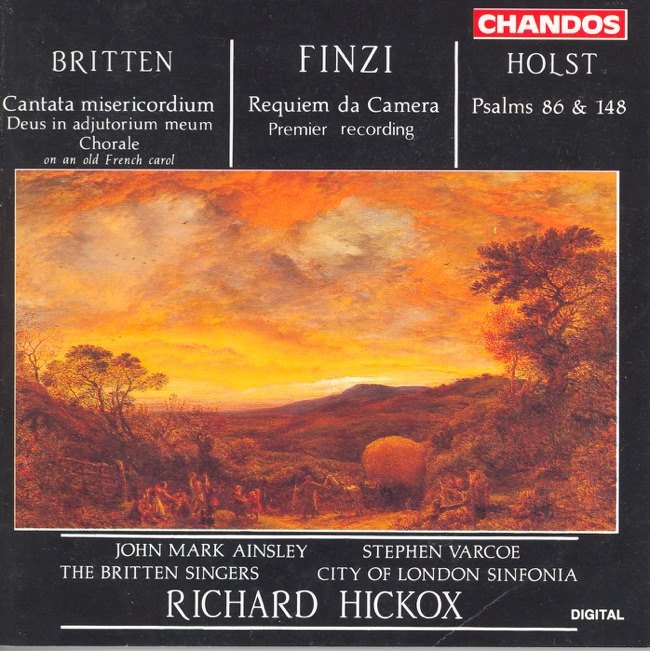
Featured Album
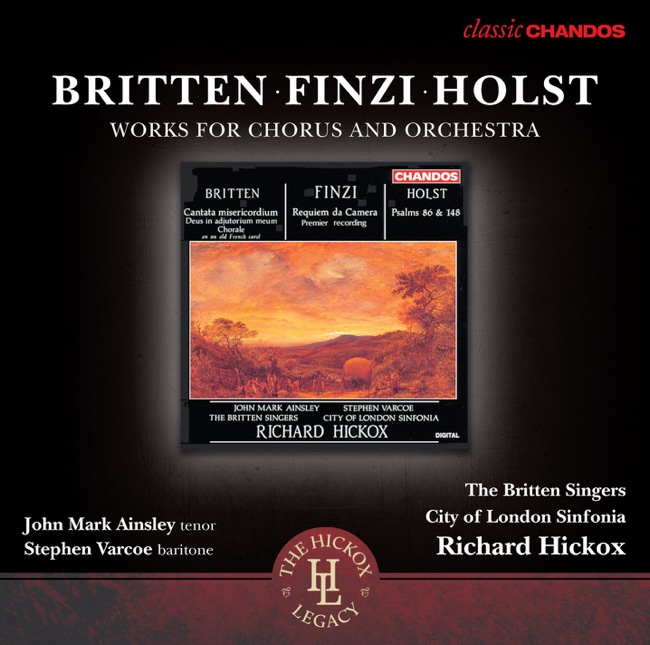
Works Info
Composer:Benjamin BrittenGenre:ChoralStyle:QuartetCompose Date:1963Average_duration:19:45Benjamin Britten's Cantata Misericordium, Op. 69, was composed in 1963 and premiered on September 10th of the same year at the Wigmore Hall in London. The piece is a setting of a Latin text by Patrick Wilkinson, which tells the story of the Good Samaritan from the Gospel of Luke. The cantata is divided into three movements, each of which represents a different aspect of the story. The first movement, "The Good Samaritan," is a recitative for tenor soloist, who tells the story of the man who was beaten and left for dead on the side of the road. The music is spare and austere, with a sense of foreboding that reflects the violence of the story. The second movement, "The Priest and the Levite," is a choral fugue that contrasts with the first movement's solo recitative. The choir represents the two religious leaders who pass by the wounded man without stopping to help. The music is complex and contrapuntal, with a sense of urgency that reflects the drama of the story. The final movement, "The Samaritan's Kindness," is a duet for tenor and baritone soloists, who sing of the Samaritan's compassion and generosity. The music is lyrical and expressive, with a sense of tenderness that reflects the emotional heart of the story. Throughout the cantata, Britten's music is characterized by its clarity and simplicity. The vocal lines are often spare and unadorned, allowing the text to speak for itself. The orchestration is similarly restrained, with a small ensemble of strings, harp, and percussion providing a delicate accompaniment to the voices. Overall, Cantata Misericordium is a powerful and moving work that reflects Britten's deep commitment to social justice and compassion. Its message of kindness and generosity is as relevant today as it was when it was first composed.More....
Works Music
Released Music
Featured Music
Main Perform Artists
Tenor Vocal
Cello
Violin
Viola
Bass Vocal