Guillaume Dufay
Fulgens iubar ecclesie
Released Album
Recent Album
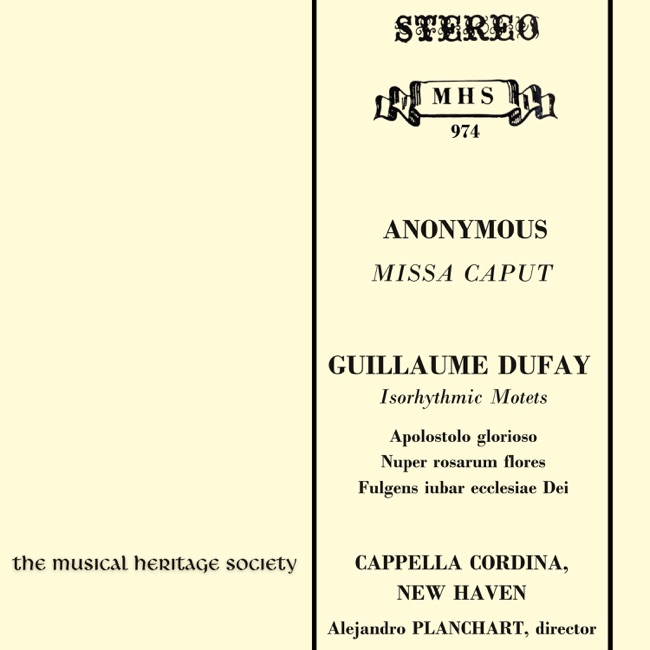
Featured Album
Works Info
Composer:Guillaume DufayGenre:ChoralStyle:MotetCompose Date:ca. 1447Average_duration:8:09Fulgens iubar ecclesie is a motet composed by Guillaume Dufay, a prominent composer of the Renaissance period. The piece was composed in the early 15th century, around 1400, and was premiered in the court of the Duke of Burgundy, where Dufay was employed as a musician. The motet is divided into three movements, each with its own distinct characteristics. The first movement is characterized by a lively and energetic rhythm, with a strong emphasis on the upper voices. The second movement is more contemplative and introspective, with a slower tempo and a focus on the lower voices. The final movement is a return to the lively and energetic style of the first movement, with a strong emphasis on the upper voices and a sense of joyful celebration. One of the most notable characteristics of Fulgens iubar ecclesie is its use of polyphony, or the combination of multiple voices or melodies. Dufay was known for his skill in creating complex and intricate polyphonic textures, and this motet is no exception. The piece features multiple voices singing different melodies simultaneously, creating a rich and layered sound. Another notable characteristic of the motet is its use of Latin text. Like many Renaissance composers, Dufay often set religious texts to music, and Fulgens iubar ecclesie is no exception. The text of the motet is a hymn to St. Thomas Aquinas, a prominent theologian and philosopher of the Catholic Church. Overall, Fulgens iubar ecclesie is a prime example of Dufay's skill as a composer and his mastery of the polyphonic style. Its lively rhythms, intricate textures, and use of Latin text make it a quintessential piece of Renaissance music.More....
Works Music
Released Music
Featured Music