Henri Dutilleux
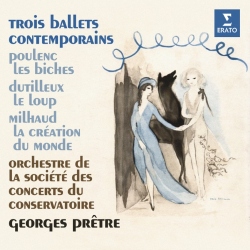
Le loup
Released Album
Recent Album
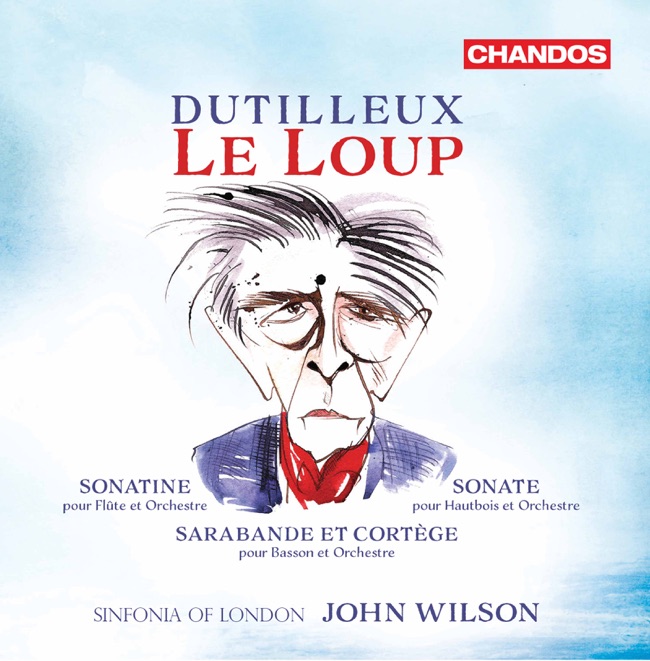
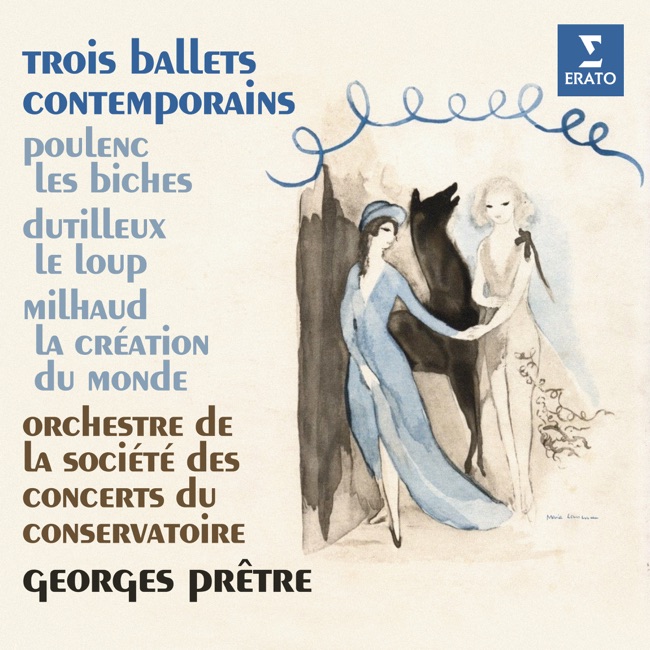
Featured Album
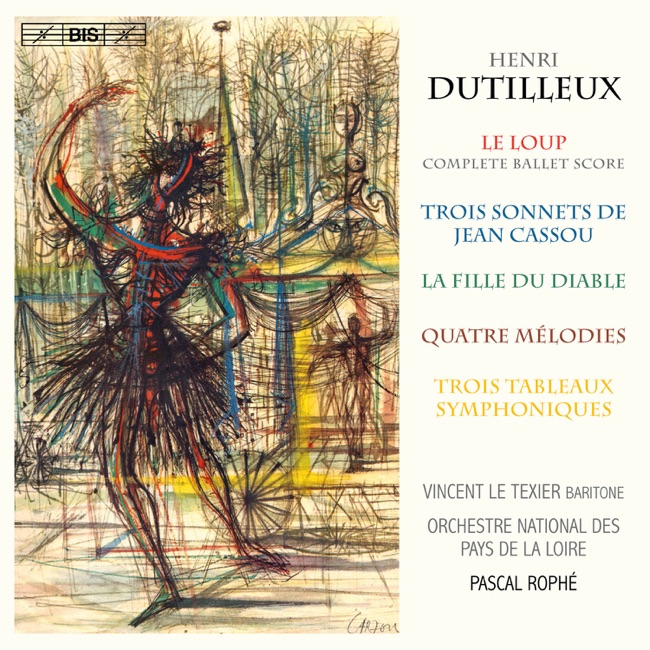
Works Info
Composer:Henri DutilleuxGenre:BalletStyle:BalletCompose Date:1953Publication Date:1954Le loup is a ballet composed by Henri Dutilleux in 1953. The plot of the ballet is based on a Russian folk tale about a wolf who disguises himself as a sheep to infiltrate a flock and prey on them. The ballet is divided into three movements, each depicting a different aspect of the story. The first movement, titled "The Arrival of the Wolf," introduces the character of the wolf and his initial infiltration of the flock. The music is tense and ominous, with dissonant chords and jagged rhythms that convey the wolf's predatory nature. The dancers move in sharp, angular movements, evoking the tension and fear of the sheep as they sense the wolf's presence. The second movement, "The Dance of the Sheep," is a more lighthearted and playful section, depicting the sheep as they dance and frolic in the fields. The music is lighter and more melodic, with a pastoral quality that evokes the idyllic setting of the story. The dancers move in a more fluid and graceful manner, reflecting the carefree nature of the sheep. The final movement, "The Hunt," is the climactic section of the ballet, depicting the wolf's attack on the flock. The music is frenzied and chaotic, with pounding rhythms and dissonant chords that convey the violence and chaos of the scene. The dancers move in a frantic and frenetic manner, evoking the panic and terror of the sheep as they try to escape the wolf's clutches. Le loup premiered on June 18, 1953, at the Théâtre des Champs-Élysées in Paris, with choreography by Roland Petit and sets and costumes by Jean Cocteau. The ballet was well-received by audiences and critics alike, and has since become a staple of the ballet repertoire. One of the key characteristics of Le loup is its use of musical motifs and themes to convey the different aspects of the story. The tense, dissonant music of the first movement contrasts sharply with the lighter, more melodic music of the second movement, while the frenzied chaos of the final movement reflects the violence and terror of the wolf's attack. The ballet also features a range of different dance styles, from sharp, angular movements to fluid, graceful ones, reflecting the different moods and emotions of the story. Overall, Le loup is a powerful and evocative ballet that continues to captivate audiences with its vivid storytelling and dynamic choreography.More....
Works Music
Released Music
Featured Music