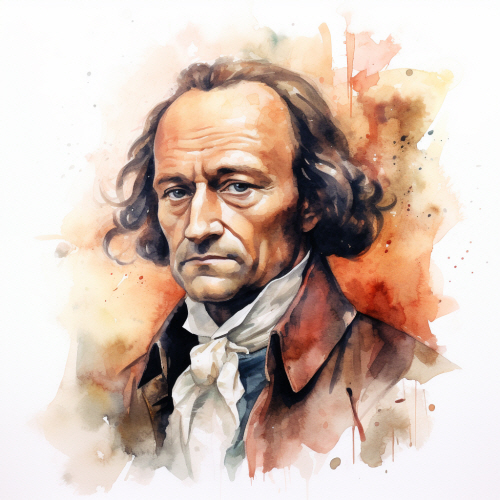
Johann Pachelbel
Fugue, for organ in D minor, T. 276
Released Album
Recent Album
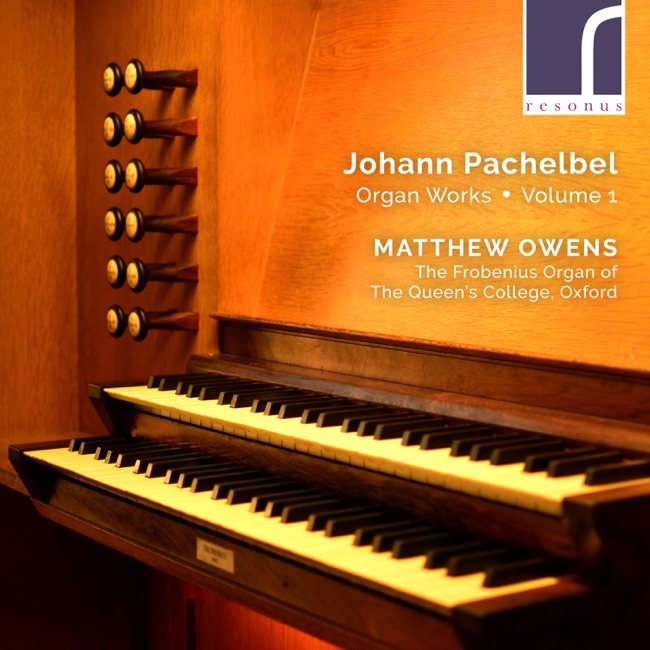
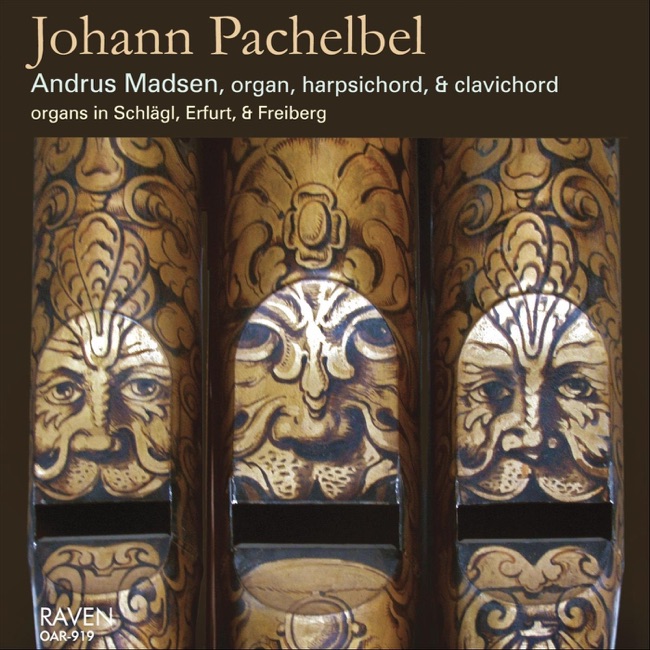
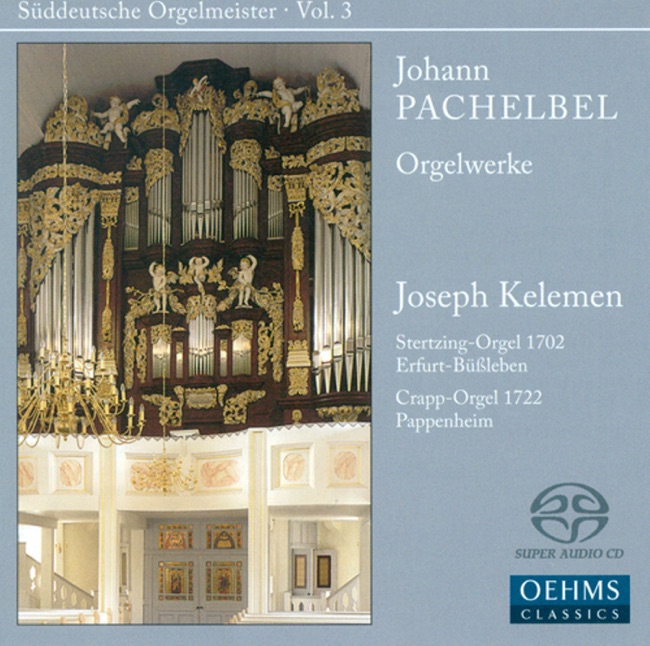
Works Info
Composer:Johann PachelbelGenre:KeyboardStyle:FugueCompose Date:before Apr 1706Publication Date:1901Average_duration:2:34Johann Pachelbel's Fugue for organ in D minor, T. 276, is a masterpiece of Baroque music. It was composed in the late 17th century, around 1680, and is one of Pachelbel's most famous works. The piece is written for solo organ and is comprised of four movements. The premiere of the Fugue for organ in D minor is not known, but it is believed to have been performed in a church or cathedral in Germany. Pachelbel was a prolific composer of sacred music, and his works were often performed in churches and other religious settings. The first movement of the Fugue for organ in D minor is marked "Allegro," and it begins with a bold and dramatic statement from the organ. The theme is then developed and passed between the different voices of the fugue, creating a complex and intricate texture. The movement is characterized by its use of counterpoint, with each voice weaving in and out of the others to create a rich and harmonious sound. The second movement is marked "Adagio," and it is a slower and more contemplative section of the piece. The organ plays a simple and beautiful melody, which is then echoed and developed by the other voices of the fugue. This movement is characterized by its use of ornamentation and embellishment, which adds to the beauty and complexity of the music. The third movement is marked "Allegro," and it is a lively and energetic section of the piece. The organ plays a fast and intricate melody, which is then echoed and developed by the other voices of the fugue. This movement is characterized by its use of syncopation and rhythmic complexity, which creates a sense of excitement and urgency in the music. The final movement is marked "Presto," and it is a fast and frenetic section of the piece. The organ plays a complex and virtuosic melody, which is then echoed and developed by the other voices of the fugue. This movement is characterized by its use of rapid-fire runs and arpeggios, which create a sense of urgency and intensity in the music. Overall, Pachelbel's Fugue for organ in D minor, T. 276, is a masterpiece of Baroque music. Its use of counterpoint, ornamentation, and rhythmic complexity create a rich and harmonious sound that is both beautiful and complex. The piece is a testament to Pachelbel's skill as a composer and his ability to create music that is both technically challenging and emotionally powerful.More....
Works Music
Released Music
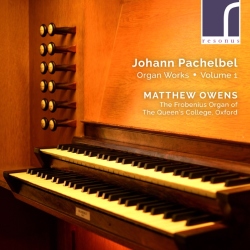
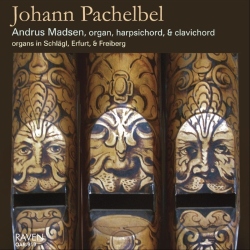
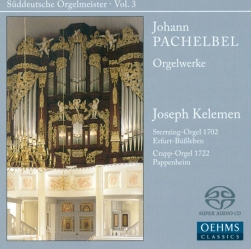
4
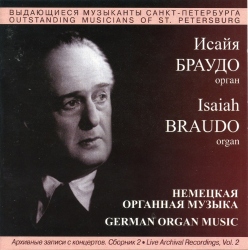
2:52
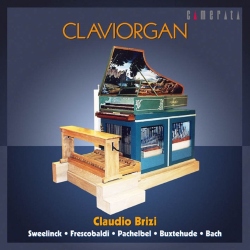
6
2:34