Henry Purcell
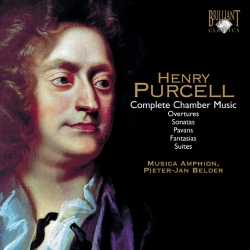
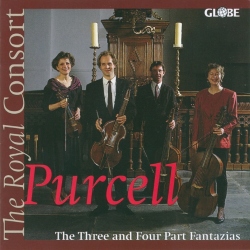
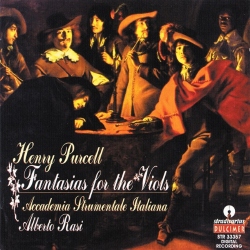
Fantasy for 4 viols in B flat major, Z. 736
Released Album
Recent Album
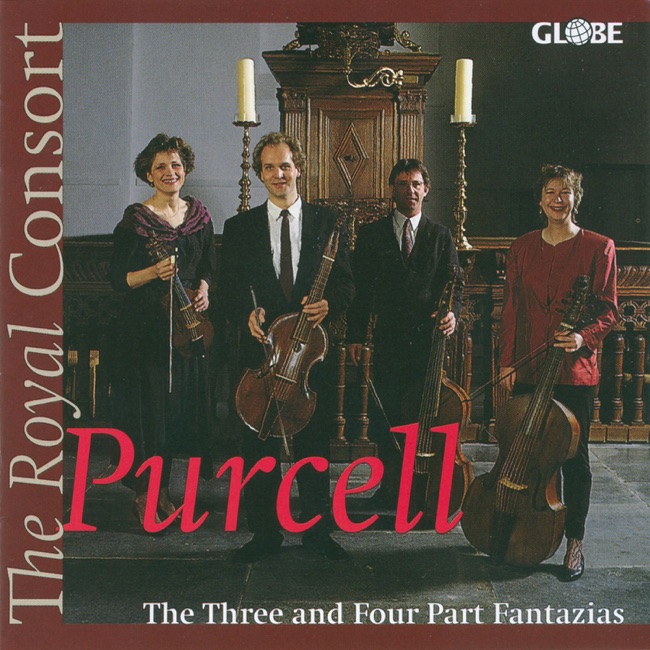

Featured Album
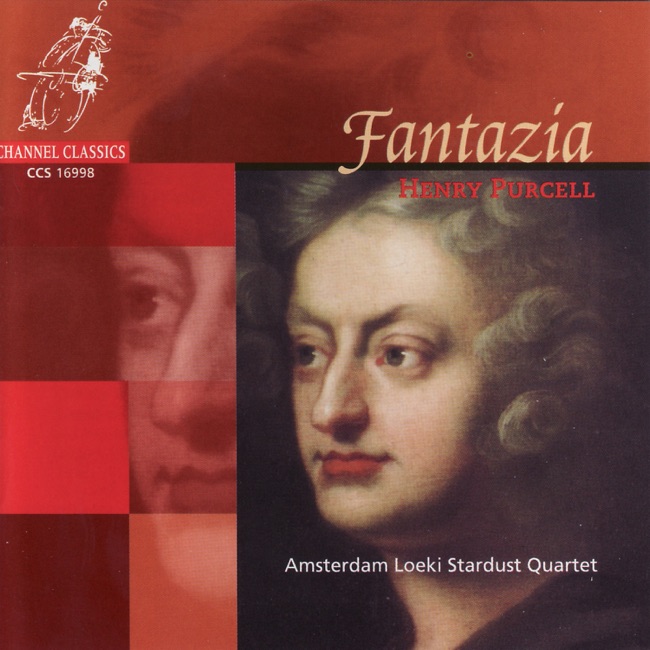
Works Info
Composer:Henry PurcellGenre:ChamberStyle:FantasyCompose Date:Jun 11, 1680Average_duration:4:01Movement_count:4Movement ....Henry Purcell's 'Fantasy for 4 viols in B flat major, Z. 736' is a piece of chamber music composed in the late 17th century. The exact date of composition is unknown, but it is believed to have been written sometime between 1680 and 1695. The piece was first premiered in London, likely at one of the many private concerts held in the homes of wealthy patrons of the arts. The 'Fantasy for 4 viols in B flat major' is a four-movement work that showcases Purcell's skill in writing for stringed instruments. The first movement is marked Adagio and features a slow, mournful melody that is passed between the four viols. The second movement is a lively Allegro that features intricate counterpoint and rapid runs of notes. The third movement is marked Adagio and is similar in character to the first movement, with a slow, melancholy melody that is passed between the instruments. The final movement is a lively Allegro that features a driving rhythm and complex interplay between the four viols. One of the characteristics of Purcell's 'Fantasy for 4 viols in B flat major' is its use of counterpoint. Counterpoint is a technique in which two or more melodies are played simultaneously, creating a complex and harmonically rich texture. Purcell was a master of counterpoint, and this piece showcases his skill in this area. Another characteristic of the piece is its use of chromaticism. Chromaticism is the use of notes outside of the diatonic scale, and it was a common technique in Baroque music. Purcell uses chromaticism to create tension and interest in the piece, particularly in the second and fourth movements. Overall, Purcell's 'Fantasy for 4 viols in B flat major, Z. 736' is a beautiful and complex work that showcases the composer's skill in writing for stringed instruments. Its use of counterpoint and chromaticism make it a fascinating piece to listen to, and it remains a popular work in the chamber music repertoire to this day.More....
Works Music
Released Music
1
3:10
7
4:12
9
3:44
10
4:50
Featured Music