Christmas Traditional
Ther Is No. Rose of Swych Vertu
Released Album
Recent Album
Featured Album
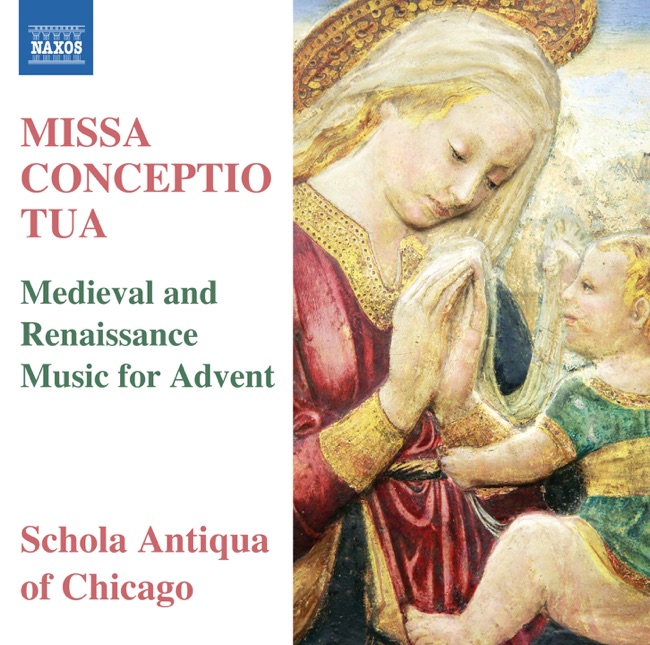
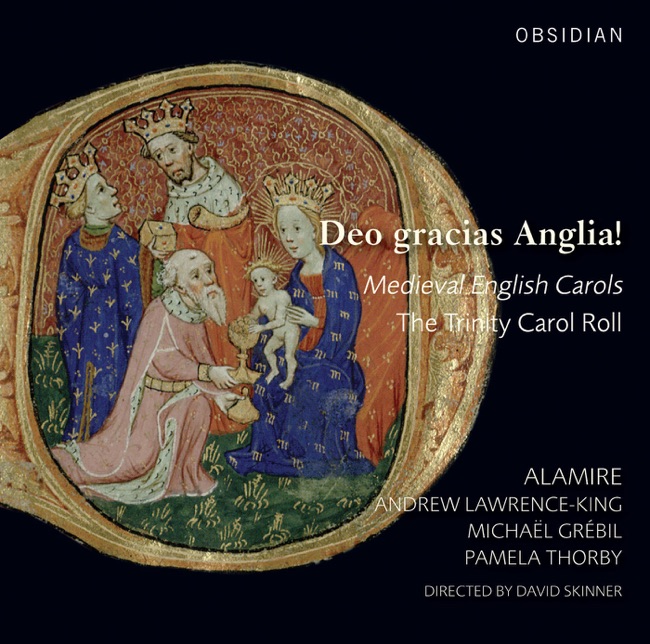
Works Info
Composer:Christmas TraditionalGenre:MiscellaneousStyle:MiscellaneousAverage_duration:3:52"There Is No Rose of Swych Vertu" is a traditional Christmas carol that dates back to the 15th century. The exact composer of the carol is unknown, but it is believed to have originated in England. The carol has been performed and recorded by numerous artists and choirs over the years, and it remains a popular Christmas song to this day. The carol is typically performed in four movements, with each movement featuring a different verse of the song. The first movement begins with the line "There is no rose of swych vertu," and it sets the tone for the rest of the carol. The second movement features the line "The rose that I of swych vertu," and it continues the theme of the first movement. The third movement features the line "The flowr that sprang fro Jesse's rote," and it introduces the idea of the carol being a celebration of the birth of Jesus. The final movement features the line "And Mary bore that swete blosom," and it brings the carol to a close with a reference to the Virgin Mary. One of the characteristics of "There Is No Rose of Swych Vertu" is its use of medieval English language and spelling. The carol features words like "swych" (such), "vertu" (virtue), and "flowr" (flower), which are not commonly used in modern English. The carol also features a number of archaic spellings, such as "Jesse's rote" (Jesse's root) and "swete blosom" (sweet blossom). Another characteristic of the carol is its simple, yet beautiful melody. The melody is typically sung in a slow, contemplative manner, which adds to the carol's overall sense of reverence and awe. The carol is often performed a cappella, with a choir or group of singers providing the vocals. "There Is No Rose of Swych Vertu" has been performed and recorded by a wide range of artists and choirs over the years. Some notable recordings include versions by the King's College Choir, the Cambridge Singers, and the Tallis Scholars. The carol remains a popular choice for Christmas concerts and services, and it continues to be a beloved part of the Christmas music canon.More....
Works Music
Released Music
8
3:2
Featured Music