Morton Feldman
Three Pieces for Piano
Released Album
Recent Album
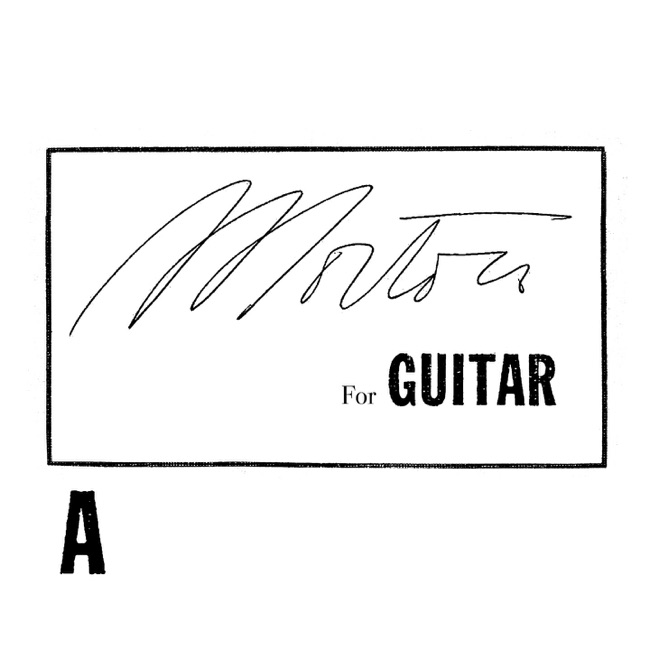
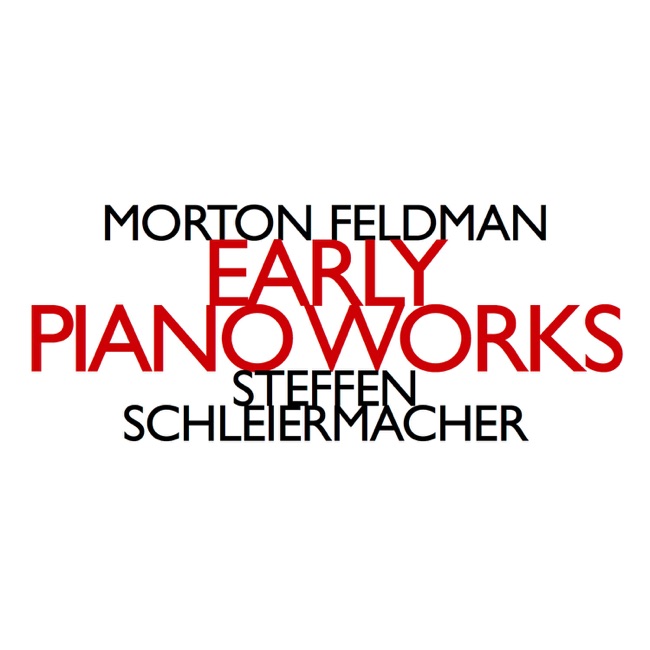
Featured Album
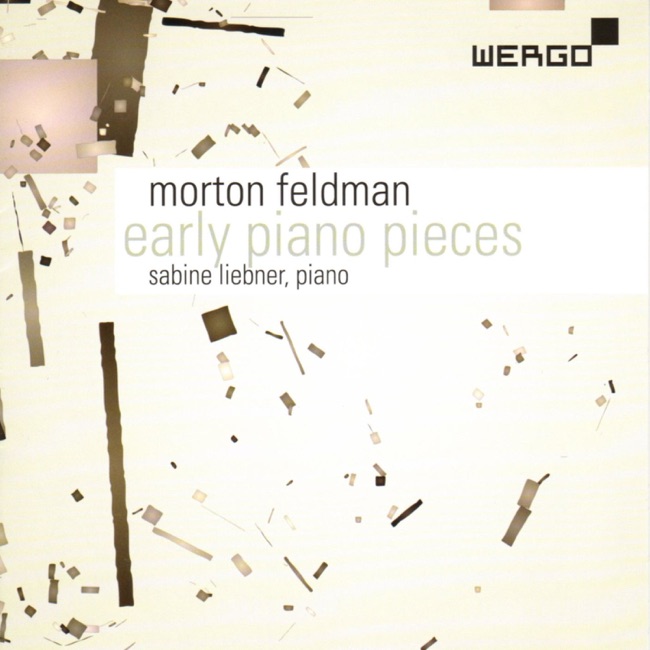
Works Info
Composer:Morton FeldmanGenre:KeyboardStyle:KeyboardCompose Date:1954Average_duration:6:20Movement_count:3Movement ....Morton Feldman's 'Three Pieces for Piano' is a composition that was written in 1954. The piece was premiered in New York City in 1955 by the pianist David Tudor. The composition consists of three movements, each of which is characterized by its unique musical style and structure. The first movement of 'Three Pieces for Piano' is marked by its sparse and delicate texture. The piece begins with a series of soft, isolated notes that gradually build in intensity and complexity. The movement is characterized by its use of silence and space, with long pauses between phrases and notes. The overall effect is one of contemplation and introspection, as the listener is drawn into the subtle nuances of the music. The second movement of the composition is more rhythmic and energetic than the first. It features a series of repeating patterns and motifs that are gradually developed and expanded upon. The movement is marked by its use of syncopation and irregular rhythms, which create a sense of tension and unpredictability. The overall effect is one of movement and momentum, as the music propels forward with a sense of urgency and purpose. The third and final movement of 'Three Pieces for Piano' is marked by its use of dissonance and unconventional harmonies. The piece features a series of dense, overlapping chords that create a sense of tension and unease. The movement is characterized by its use of repetition and variation, with the same musical ideas being explored and developed in different ways. The overall effect is one of complexity and ambiguity, as the listener is drawn into the intricate web of sound and texture. Overall, 'Three Pieces for Piano' is a composition that showcases Morton Feldman's unique musical style and approach. The piece is marked by its use of silence, space, and unconventional harmonies, as well as its exploration of repetition and variation. The composition is a testament to Feldman's ability to create music that is both contemplative and challenging, and it remains a significant work in the canon of contemporary classical music.More....
Works Music
Released Music

Featured Music