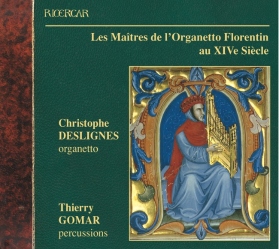
Francesco Landini
Amor ch'al tuo sogetto, S. 183
Released Album
Recent Album

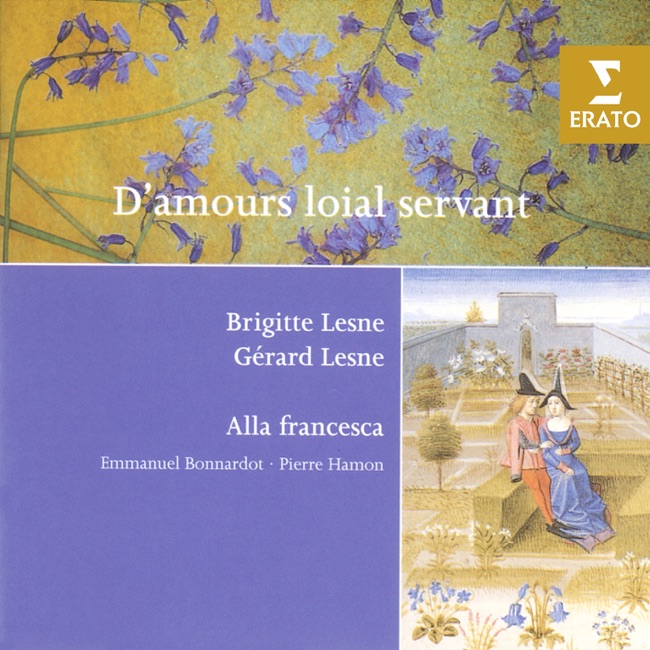
Works Info
Composer:Francesco LandiniGenre:VocalStyle:BallataCompose Date:ca. 1350 - 1397Average_duration:3:13"Amor ch'al tuo sogetto" is a secular song composed by Francesco Landini, an Italian composer, organist, singer, poet, and instrument maker of the 14th century. The song is part of the Trecento repertoire, which refers to the music of the 14th century in Italy. The exact date of composition of "Amor ch'al tuo sogetto" is unknown, but it is believed to have been composed in the late 14th century. The song was premiered in Italy during the Trecento period, where it gained popularity among the aristocracy and the general public. "Amor ch'al tuo sogetto" is a ballata, a type of Italian secular song that was popular during the Trecento period. The song is written in Italian and consists of three stanzas, each followed by a refrain. The melody is simple and repetitive, with a range of only six notes. The song is accompanied by a lute or a similar instrument. The lyrics of "Amor ch'al tuo sogetto" are about the power of love and its ability to control and dominate the human heart. The song describes the speaker's love for a woman who has captured his heart and made him her subject. The refrain, "Amor ch'al tuo sogetto," which means "Love, to your subject," emphasizes the speaker's submission to the power of love. The characteristics of "Amor ch'al tuo sogetto" reflect the musical style of the Trecento period. The song is characterized by its simple melody, repetitive structure, and use of a refrain. The lyrics are written in Italian, which was becoming the dominant language of literature and music in Italy during the Trecento period. The song also reflects the courtly love tradition, which was popular in medieval Europe and emphasized the idealization of the beloved. In conclusion, "Amor ch'al tuo sogetto" is a ballata composed by Francesco Landini during the Trecento period in Italy. The song reflects the musical and literary style of the time, with its simple melody, repetitive structure, and use of Italian lyrics. The song's theme of love and its power over the human heart reflects the courtly love tradition that was popular in medieval Europe.More....
Works Music