


Guillaume de Machaut
Qui es promesses de Fortune/Ha, Fortune! trop suis mis loing/Et non est qui adjuvet
Released Album
Recent Album

Works Info
Composer:Guillaume de MachautGenre:ChoralStyle:MotetAverage_duration:2:01'Qui es promesses de Fortune/Ha, Fortune! trop suis mis loing/Et non est qui adjuvet' is a chanson composed by Guillaume de Machaut, a French poet and composer of the 14th century. The chanson is part of his collection of works known as the 'Livre dou Voir Dit' and was likely composed in the 1360s. The chanson is in three movements, each with its own distinct character. The first movement, 'Qui es promesses de Fortune', is a lamentation on the fickleness of fortune and the disappointment it brings. The second movement, 'Ha, Fortune! trop suis mis loing', is a more personal expression of the same theme, with the speaker bemoaning his own misfortunes. The final movement, 'Et non est qui adjuvet', is a plea for help and support in the face of adversity. The chanson is notable for its use of complex polyphony, with multiple voices weaving in and out of each other in intricate patterns. Machaut was a master of this style, and his works are considered some of the finest examples of medieval polyphony. The text of the chanson is also noteworthy, with Machaut using a range of poetic techniques to convey his message. The use of repetition, for example, emphasizes the speaker's sense of despair and hopelessness, while the use of rhetorical questions invites the listener to reflect on the nature of fortune and its capriciousness. Overall, 'Qui es promesses de Fortune/Ha, Fortune! trop suis mis loing/Et non est qui adjuvet' is a powerful and moving work that showcases Machaut's skill as both a poet and a composer. Its themes of fortune, fate, and the human condition continue to resonate with audiences today, making it a timeless masterpiece of medieval music.More....
Works Music
Released Music
1
Who are the promises of Fortune/Ha, Fortune! too much am put far / And no is who adjuvet
Motet (M8) Qui es promesses de Fortune / Ha Fortune / Et non est qui adjuvet
1:37
2
2:10
3

1:53
4
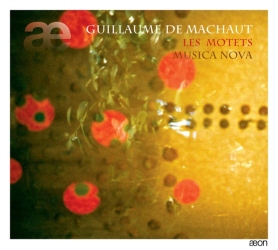
Who are the promises of Fortune/Ha, Fortune! too much am put far / And no is who adjuvet
Motet No. 8 Et non est qui adjuvet
2:21
5
1:44
6
1:56
7
2:10