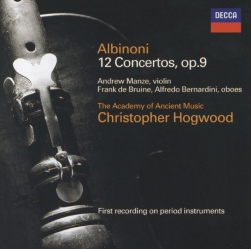
Tomaso Albinoni
Concerto à cinque, Op. 9 No. 4 in A major
Released Album
Recent Album



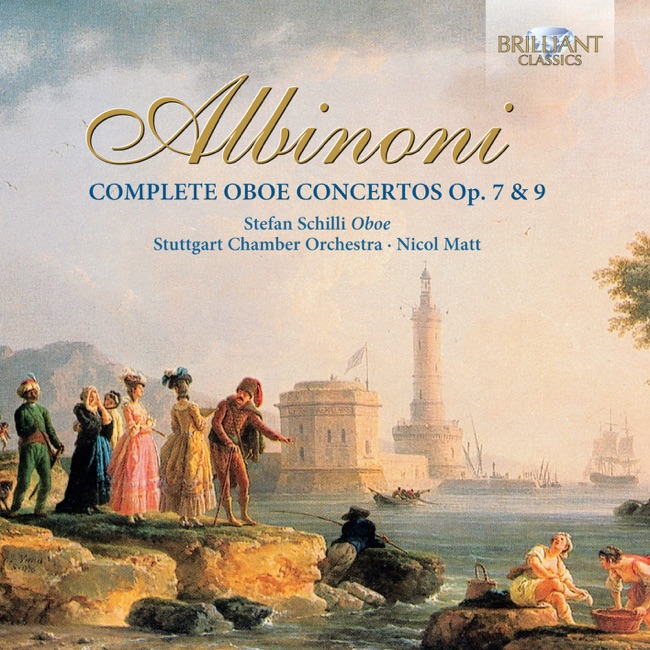
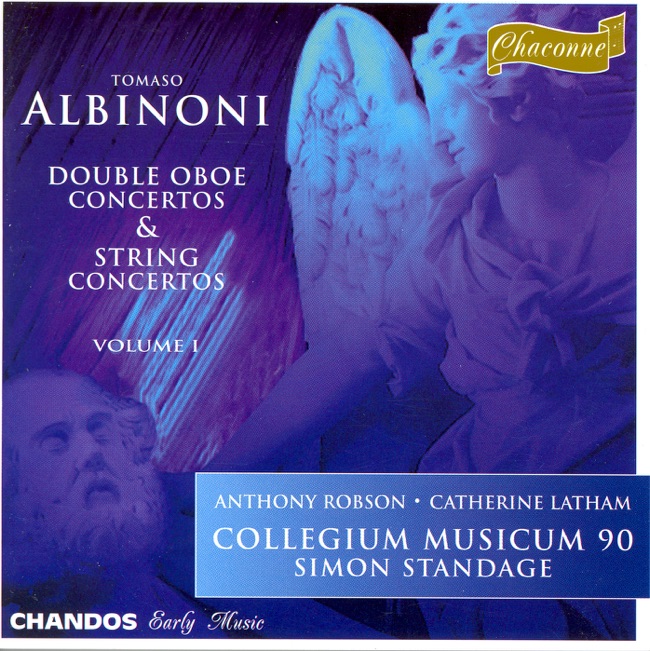
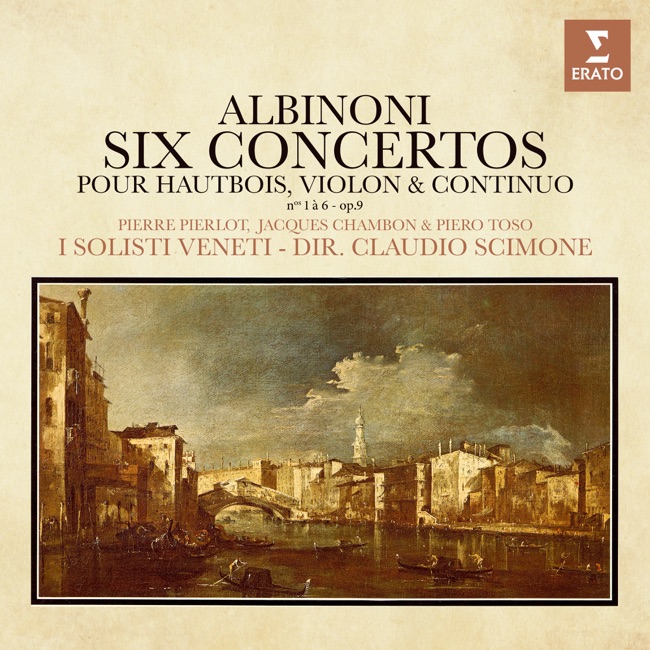
Featured Album
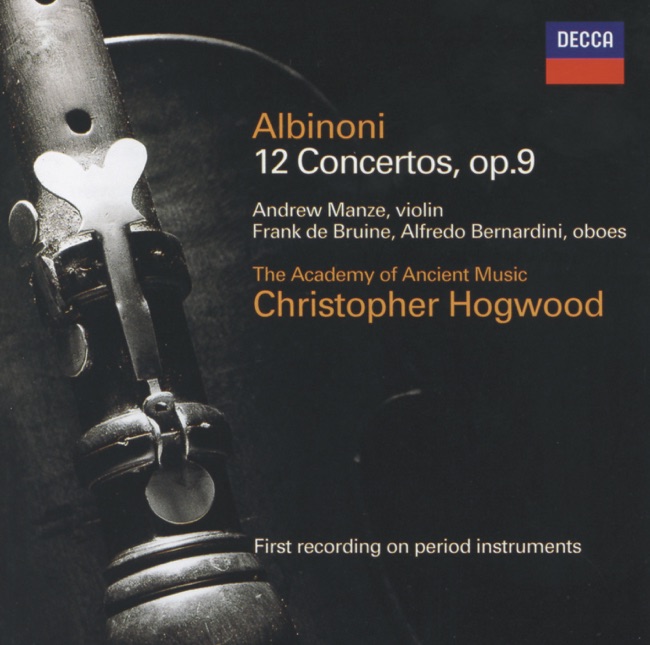
Works Info
Composer:Tomaso AlbinoniGenre:ConcertoStyle:ConcertoCompose Date:1722Publication Date:1722Average_duration:9:23Movement_count:3Movement ....Tomaso Albinoni's Concerto à cinque, Op. 9 No. 4 in A major is a Baroque concerto for solo violin, strings, and continuo. It was composed in the early 18th century and premiered in Venice, Italy. The concerto is divided into three movements: Allegro, Adagio, and Allegro. The first movement, Allegro, is characterized by its lively and energetic tempo. The solo violin leads the way with virtuosic runs and trills, while the strings and continuo provide a supportive and rhythmic accompaniment. The movement is structured in a ritornello form, with the soloist and orchestra alternating sections of music. The second movement, Adagio, is a slow and lyrical aria for the solo violin. The strings and continuo provide a gentle and delicate accompaniment, allowing the soloist to showcase their expressive and emotional playing. The movement is in a ternary form, with the middle section providing a contrast to the opening and closing sections. The final movement, Allegro, returns to the lively and energetic tempo of the first movement. The solo violin once again leads the way with virtuosic runs and trills, while the strings and continuo provide a supportive and rhythmic accompaniment. The movement is structured in a ritornello form, with the soloist and orchestra alternating sections of music. Overall, Albinoni's Concerto à cinque, Op. 9 No. 4 in A major is a prime example of Baroque concerto writing. It showcases the virtuosity and expressiveness of the solo violin, while also highlighting the supportive and rhythmic role of the orchestra. The concerto's three movements provide a varied and engaging listening experience, with each movement showcasing a different aspect of the soloist's playing.More....
Works Music
Released Music


Featured Music