Bernardo Storace
Ricercar
Released Album
Recent Album
Works Info
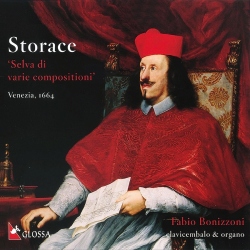
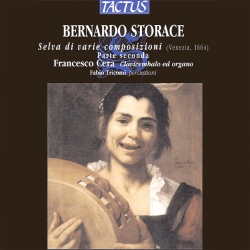
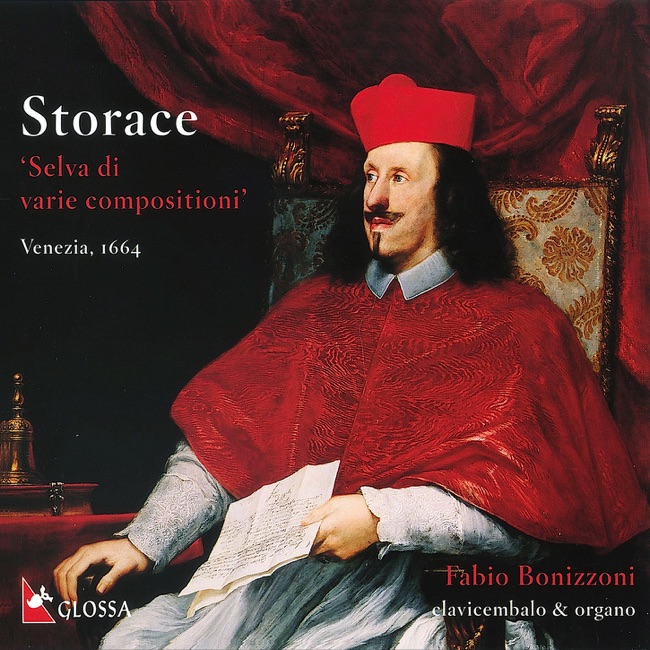
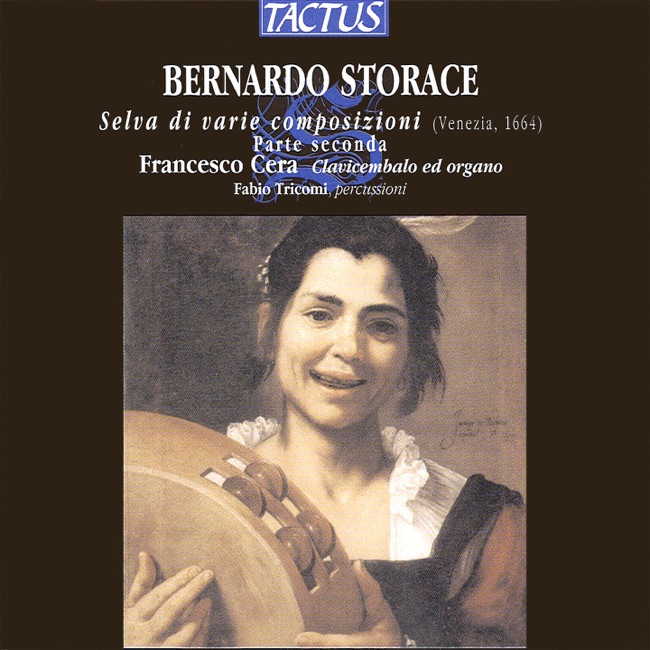
Composer:Bernardo StoraceGenre:KeyboardStyle:RicercarAverage_duration:6:47Bernardo Storace was an Italian composer and organist who lived in the 17th century. He is known for his keyboard music, particularly his collection of pieces titled "Selva di varie compositioni" (The Grove of Various Compositions), which was published in Venice in 1664. One of the most famous pieces from this collection is the "Ricercar." The "Ricercar" is a keyboard piece that was composed in the early 17th century. It is believed to have been written for the harpsichord or organ, although it can be played on any keyboard instrument. The piece is in the key of D minor and is written in a contrapuntal style, which means that the different voices or parts of the music are independent but interdependent. The "Ricercar" is divided into three movements, each with its own distinct character. The first movement is slow and contemplative, with a mournful melody that is passed between the different voices. The second movement is faster and more lively, with a playful melody that is repeated and developed throughout the piece. The third movement is a fugue, which means that the different voices enter one by one, each playing the same melody but at different times and in different keys. One of the most notable characteristics of the "Ricercar" is its use of counterpoint. Counterpoint is a technique in which two or more melodies are played at the same time, creating a complex and intricate texture. Storace was a master of counterpoint, and the "Ricercar" is a prime example of his skill in this area. Another characteristic of the "Ricercar" is its use of ornamentation. Ornamentation is the addition of decorative notes or flourishes to a melody, and it was a common technique in Baroque music. Storace uses ornamentation to add interest and variety to the melody, and to showcase his virtuosity as a keyboard player. The "Ricercar" premiered in the early 17th century, although the exact date is unknown. It has since become one of Storace's most famous pieces, and it is still performed and recorded today. Its intricate counterpoint and beautiful melodies make it a favorite among keyboard players and Baroque music enthusiasts alike.More....
Works Music
Released Music