


Ludwig van Beethoven
Romance Cantabile for flute, bassoon & orchestra in E minor, Hess 13
Released Album
Recent Album

Works Info
Composer:Ludwig van BeethovenGenre:ConcertoStyle:ConcertoCompose Date:1786Average_duration:6:03Ludwig van Beethoven composed the "Romance Cantabile for flute, bassoon & orchestra in E minor, Hess 13" in 1792. The piece was premiered in Vienna in the same year. The composition consists of two movements, with the first movement being in E minor and the second movement in G major. The first movement of the "Romance Cantabile" is characterized by its lyrical and expressive melodies. The flute and bassoon take turns playing the main theme, which is accompanied by the orchestra. The orchestra provides a rich and full sound, with the strings playing a prominent role in the accompaniment. The movement is marked by its slow tempo and its use of dynamic contrasts, with the music alternating between soft and loud passages. The second movement of the "Romance Cantabile" is more lively and upbeat than the first. It is characterized by its use of syncopated rhythms and its playful melodies. The flute and bassoon once again take turns playing the main theme, with the orchestra providing a lively accompaniment. The movement is marked by its fast tempo and its use of staccato notes, which give the music a light and playful feel. Overall, the "Romance Cantabile for flute, bassoon & orchestra in E minor, Hess 13" is a charming and delightful composition. It showcases Beethoven's skill as a composer, particularly his ability to write expressive melodies and to create a rich and full orchestral sound. The piece is a testament to Beethoven's early career, and it remains a popular work in the repertoire of classical music.More....
Works Music
Released Music
1
4:59
2
2:24
3
8:57
4
Romance Cantabile for flute, bass & orchestra in E minor, Hess 13
Romance cantabile in E minor for piano, flute & bassoon accompanied by 2 oboes & strings (Hess 13)
4:52
5
4:2
6
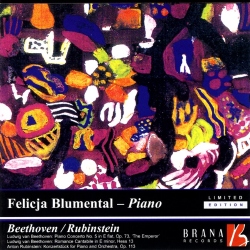
5:26
7
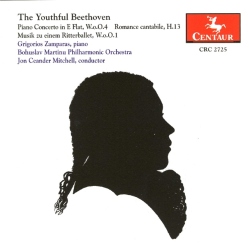
8:32
8
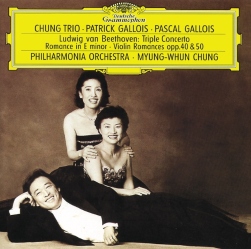
4:55
Main Perform Artists