Camille Saint-Saëns
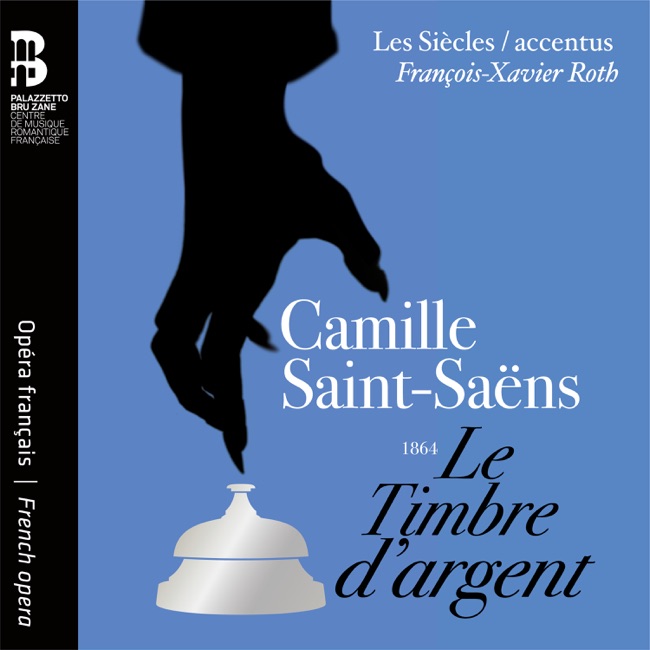
Le timbre d'argent
Released Album
Recent Album







Featured Album
Works Info
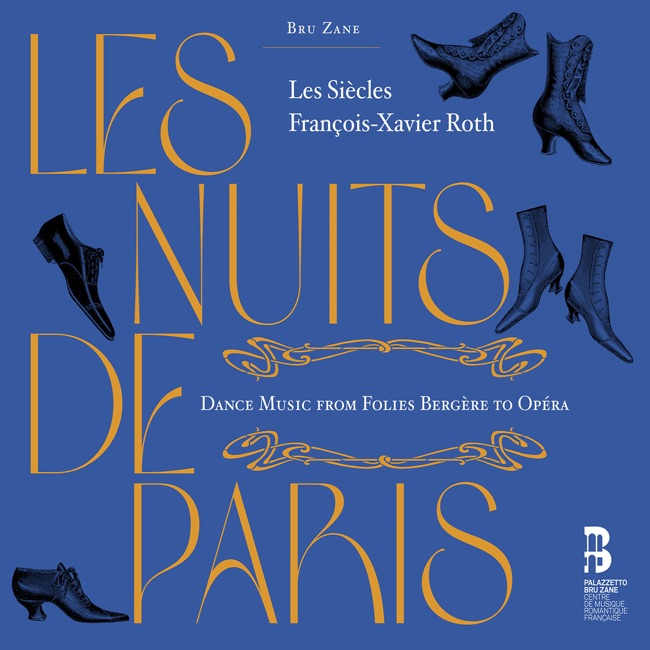
Composer:Camille Saint-SaënsGenre:OperaStyle:OperaCompose Date:1864 - 1877"Le timbre d'argent" is an opera in four acts composed by Camille Saint-Saëns. The opera was composed between 1864 and 1865 and premiered on February 23, 1877, at the Théâtre Lyrique in Paris. The libretto was written by Jules Barbier and Michel Carré, who also wrote the libretto for Gounod's "Faust." The plot of "Le timbre d'argent" revolves around the character of Conrad, a young artist who is in love with a woman named Célestine. However, Célestine is already engaged to a wealthy man named Séraphin. Conrad is visited by a mysterious figure who gives him a silver bell, which has the power to make people fall asleep. Conrad uses the bell to put Séraphin to sleep and steal Célestine away from him. However, the bell also has the power to bring people back to life, and when Séraphin wakes up, he seeks revenge on Conrad. The opera is notable for its use of the silver bell as a magical object, which is a common theme in French literature and opera of the time. The music is also characteristic of Saint-Saëns' style, with its use of lush harmonies and intricate orchestration. The opera features a number of memorable arias and ensembles, including Conrad's aria "O ma belle rebelle" and the trio "Ah! C'est un rêve." "Le timbre d'argent" was not a commercial success at its premiere, and it was only performed a few times before falling into obscurity. However, it has since been revived and recorded, and it is now considered an important work in Saint-Saëns' oeuvre. The opera's themes of love, jealousy, and the power of art and magic continue to resonate with audiences today.More....
Works Music
Released Music







Featured Music