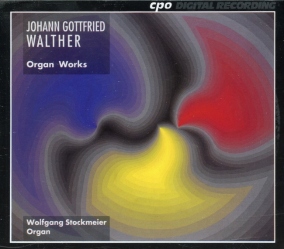
Johann Gottfried Walther
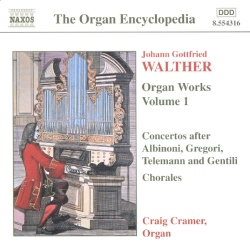
Concerto for organ in F major (after Tomaso Albinoni)
Released Album
Recent Album

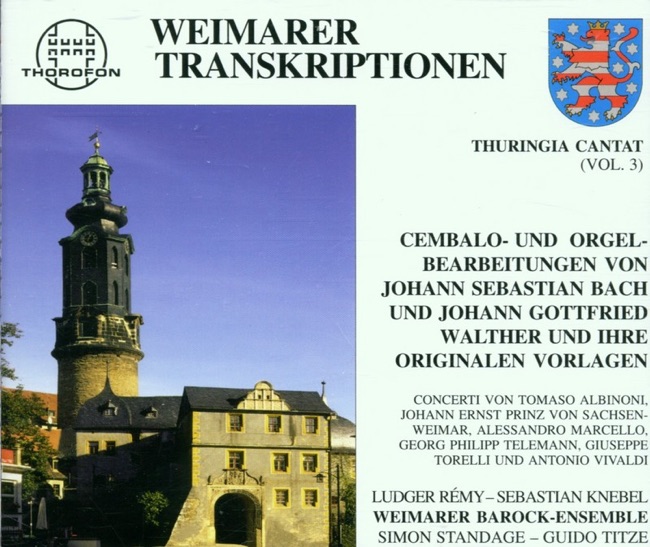
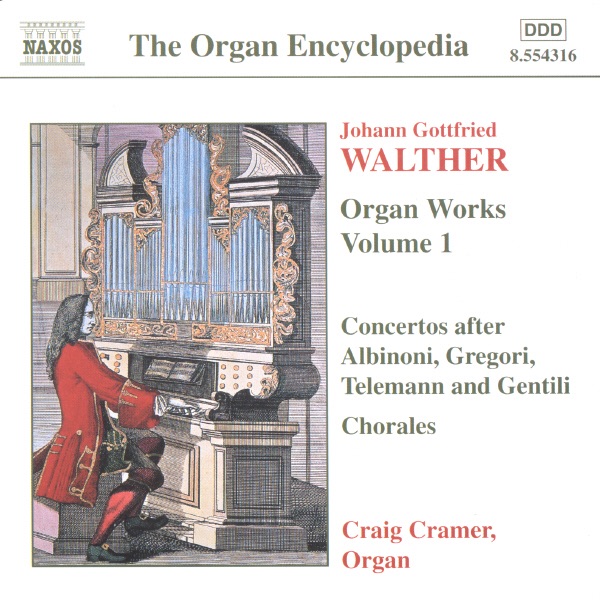
Featured Album
Works Info
Composer:Johann Gottfried WaltherGenre:ConcertoStyle:ConcertoAverage_duration:6:57Movement_count:3Movement ....Johann Gottfried Walther's Concerto for organ in F major (after Tomaso Albinoni) was composed in the early 18th century. The exact date of composition is unknown, but it is believed to have been written around 1710. The concerto was premiered in Germany, where Walther was a prominent organist and composer. The concerto is divided into three movements: Allegro, Adagio, and Allegro. The first movement is characterized by its lively and energetic tempo, with the organ taking center stage and leading the orchestra. The second movement is a slow and contemplative Adagio, with the organ playing a more subdued role and the orchestra providing a gentle accompaniment. The final movement returns to the lively tempo of the first, with the organ once again taking the lead and showcasing its virtuosic capabilities. The concerto is notable for its use of the organ as a solo instrument, which was a relatively new concept at the time of its composition. Walther's concerto also draws heavily on the music of Tomaso Albinoni, an Italian composer who was popular in Germany during the Baroque era. The concerto's use of Albinoni's music is evident in its melodic and harmonic structure, as well as its overall style and form. Overall, Johann Gottfried Walther's Concerto for organ in F major (after Tomaso Albinoni) is a significant work in the history of organ music. Its use of the organ as a solo instrument, combined with its incorporation of Albinoni's music, make it a unique and innovative piece that continues to be performed and studied by organists and music scholars today.More....
Works Music
Released Music
1
2:45
2
2:33
3
3:47
4
2:29
6
2:37
7
2:23
8
2:21
9
2:40
10
2:50
Featured Music