


Carl Philipp Emanuel Bach
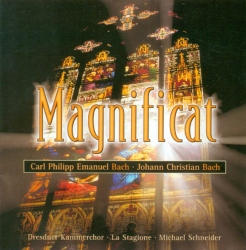
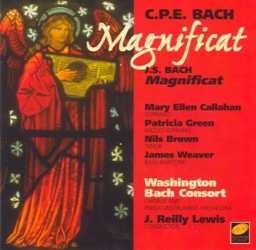
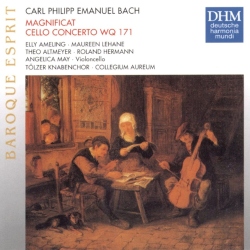
Magnificat in D minor, H. 772, Wq. 215,
Released Album
Recent Album
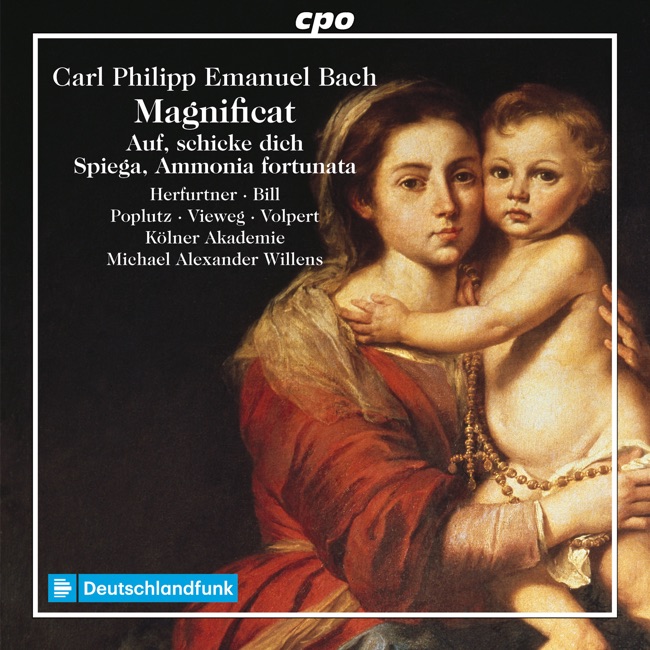
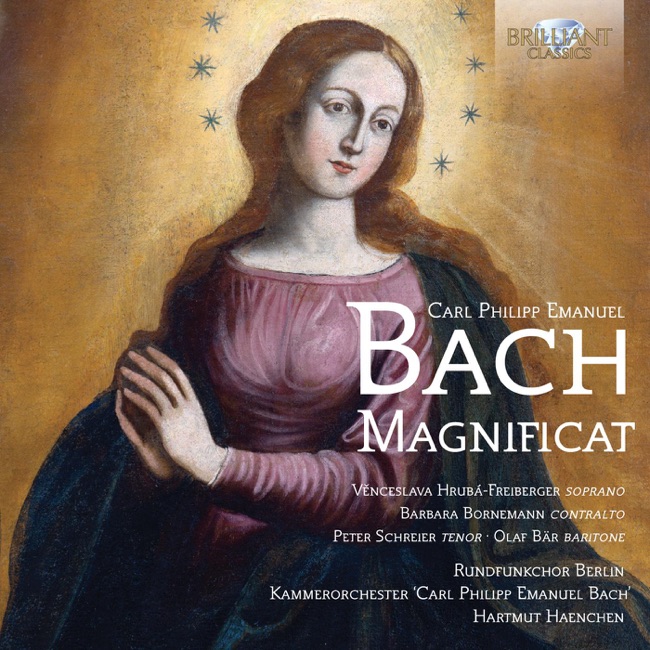

Featured Album
Works Info
Composer:Carl Philipp Emanuel BachGenre:ChoralStyle:MagnificatCompose Date:1749Publication Date:1829Average_duration:42:21Movement_count:9Movement ....Carl Philipp Emanuel Bach's Magnificat in D minor, H. 772, Wq. 215, was composed in 1749 for the Christmas Vespers service at the Marienkirche in Berlin. The piece is scored for five vocal soloists, mixed choir, and orchestra. The Magnificat is divided into twelve movements, each of which is based on a verse from the biblical text of the Magnificat, the canticle of Mary. The movements alternate between choral and solo sections, with the final movement being a grand choral fugue. The opening movement, "Magnificat anima mea Dominum," begins with a lively orchestral introduction, followed by the choir singing the text in a joyful and exuberant manner. The second movement, "Et exultavit spiritus meus," features a solo soprano singing a virtuosic aria accompanied by a solo violin. The third movement, "Quia respexit humilitatem," is a duet for alto and tenor, with the alto singing a plaintive melody and the tenor providing a supportive counterpoint. The fourth movement, "Omnes generationes," is a choral fugue that showcases Bach's skill in counterpoint. The fifth movement, "Quia fecit mihi magna," is a solo aria for bass, accompanied by a solo cello. The sixth movement, "Et misericordia," is a duet for soprano and alto, with the two voices intertwining in a beautiful and expressive melody. The seventh movement, "Fecit potentiam," is a choral fugue that builds to a powerful climax. The eighth movement, "Deposuit potentes," is a solo aria for tenor, accompanied by a solo flute. The ninth movement, "Esurientes implevit bonis," is a duet for soprano and alto, with the two voices weaving together in a delicate and graceful melody. The tenth movement, "Suscepit Israel," is a solo aria for alto, accompanied by a solo oboe. The eleventh movement, "Sicut locutus est," is a choral fugue that features a lively and energetic melody. The final movement, "Gloria Patri," is a grand choral fugue that brings the piece to a triumphant conclusion. Overall, Bach's Magnificat in D minor is a masterful work that showcases his skill in both vocal and instrumental writing. The piece is characterized by its expressive melodies, intricate counterpoint, and joyful exuberance, making it a beloved work in the choral repertoire.More....
Works Music
Released Music
2
3:3
3
2:51
6
3:3
10

6:11
Featured Music
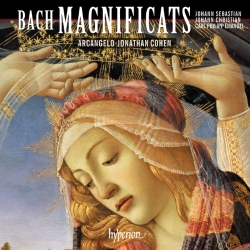
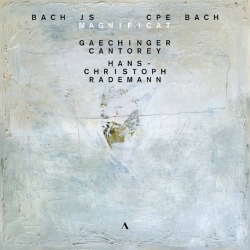
Recommend Playlist



Main Perform Artists
Soprano Vocal
Alto Vocals
Bass Vocal