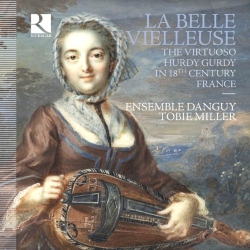
Charles Baton
Sonata for hurdygurdy & continuo in C major, Op. 3/4
Released Album
Recent Album
Works Info
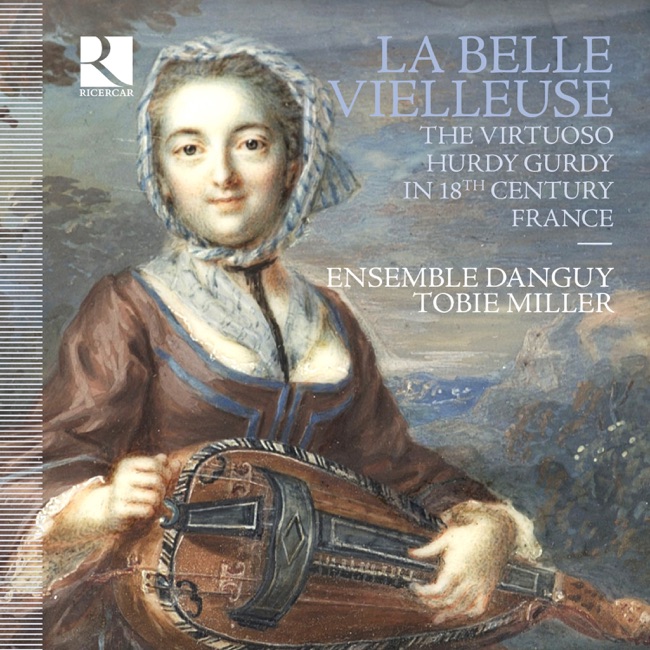
Composer:Charles BatonGenre:ChamberAverage_duration:6:27Movement_count:3Movement ....The 'Sonata for hurdygurdy & continuo in C major, Op. 3/4' was composed by Charles Baton in the early 18th century. The exact date of composition is unknown, but it is believed to have been written around 1710. The piece was premiered in Paris, France, where Baton was a prominent composer and musician. The sonata consists of three movements: Allegro, Adagio, and Allegro. The first movement, Allegro, is a lively and energetic piece that showcases the hurdygurdy's unique sound. The hurdygurdy is a stringed instrument that produces sound by turning a crank, which rotates a wheel that rubs against the strings. This creates a buzzing, droning sound that is often associated with folk music. The second movement, Adagio, is a slower and more contemplative piece that allows the hurdygurdy to showcase its more melodic capabilities. The continuo, which is typically played on a keyboard instrument such as a harpsichord or organ, provides a simple harmonic accompaniment that supports the hurdygurdy's melody. The final movement, Allegro, returns to the lively and energetic style of the first movement. This movement features a more complex interplay between the hurdygurdy and the continuo, with both instruments taking turns playing the main melody and providing accompaniment. Overall, the 'Sonata for hurdygurdy & continuo in C major, Op. 3/4' is a unique and charming piece that showcases the hurdygurdy's distinctive sound and capabilities. It is a testament to Charles Baton's skill as a composer and his ability to write music that is both technically challenging and musically engaging.More....
Works Music
Released Music