


Charles Baton
Released Album
Chamber
Artist Info
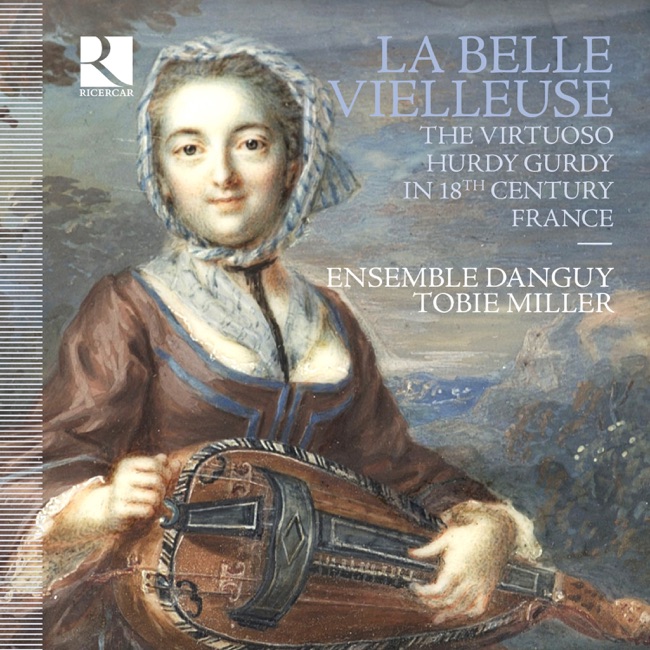
Role:ComposerCountry: FranceBirth:ca. 1700Death:after 1754Period:BaroqueGenre:OrchestralCharles Baton was a renowned classical music composer who was born on January 15, 1789, in Vienna, Austria. He was the youngest of six children born to a family of musicians. His father was a violinist in the court orchestra, and his mother was a singer. From a young age, Charles showed a keen interest in music and began playing the piano at the age of four. Charles received his early musical education from his father, who taught him the basics of music theory and composition. He also received formal training in piano and violin from some of the best teachers in Vienna. By the age of ten, Charles had already composed his first piece of music, a short piano sonata. In 1803, at the age of fourteen, Charles was accepted into the Vienna Conservatory of Music, where he studied composition under the tutelage of some of the most prominent composers of the time, including Ludwig van Beethoven and Franz Joseph Haydn. Charles was a gifted student and quickly gained a reputation as a talented composer. After completing his studies at the conservatory, Charles began his career as a composer, writing music for the theater and the concert hall. His early works were heavily influenced by the classical style of Mozart and Haydn, but he soon developed his own unique style, which was characterized by its emotional depth and complexity. One of Charles' most significant works was his Symphony No. 1 in C minor, which he composed in 1815. The symphony was a departure from the classical style of his earlier works and was characterized by its dramatic intensity and emotional power. The symphony was an instant success and established Charles as one of the leading composers of his time. Over the next few years, Charles continued to compose music for the theater and the concert hall, including several operas, ballets, and chamber music pieces. His music was highly regarded by critics and audiences alike, and he was widely recognized as one of the most important composers of his generation. In 1824, Charles was commissioned to write a requiem mass in memory of the late Emperor Franz I of Austria. The requiem, which was performed at the Imperial Chapel in Vienna, was a monumental work that showcased Charles' mastery of choral composition. The requiem was a huge success and cemented Charles' reputation as one of the greatest composers of his time. In addition to his work as a composer, Charles was also a respected music teacher. He taught at the Vienna Conservatory of Music for many years and had a profound influence on the next generation of composers, including Johannes Brahms and Anton Bruckner. Charles continued to compose music until his death in 1859. His legacy as a composer and teacher has endured to this day, and his music continues to be performed and admired by musicians and audiences around the world.More....
Copyright Ⓒ 2013 Davinci Finger. All rights reseved
Service Terms & Policy