


Franz Schubert
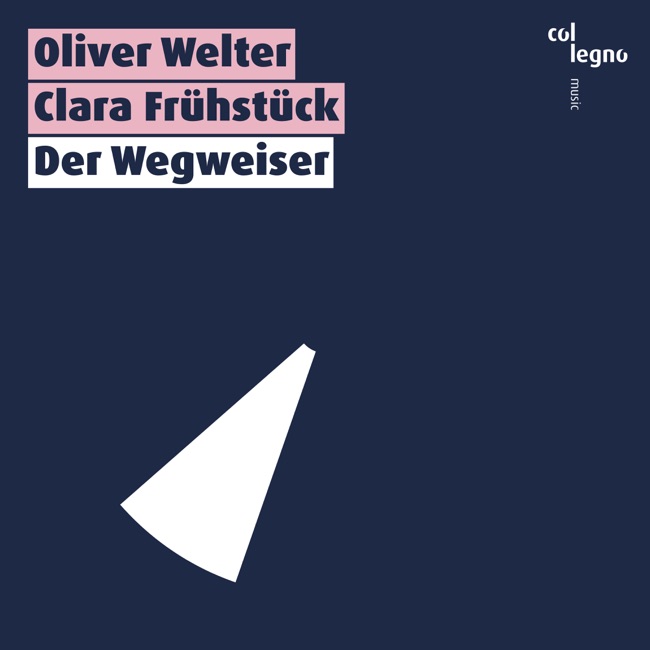
Der Wegweiser, D. 911/20, Op. 89/20
Released Album
Recent Album






Featured Album

Works Info
Composer:Franz SchubertGenre:VocalStyle:SongCompose Date:1827Average_duration:4:19"Der Wegweiser" is the twentieth song in Franz Schubert's song cycle "Winterreise," Op. 89, D. 911. The song cycle was composed in 1827, just a year before Schubert's death, and premiered in Vienna in 1828. "Winterreise" consists of 24 songs, all set to poems by Wilhelm Müller, and tells the story of a young man who has been rejected by his lover and sets out on a journey through the winter landscape, experiencing feelings of loneliness, despair, and ultimately, acceptance of his fate. "Der Wegweiser" is a slow, mournful song in the key of B minor. The piano accompaniment is sparse and repetitive, consisting of a simple chord progression that emphasizes the song's sense of stasis and resignation. The vocal melody is similarly repetitive, with the same phrase repeated several times throughout the song. The lyrics describe the protagonist's encounter with a signpost that points in different directions, and his decision to follow the path that leads to the graveyard. The song's final lines, "Here I must stay, alone, / And wait for my end," convey a sense of finality and acceptance of death. The song's musical and lyrical characteristics reflect the overall mood of "Winterreise," which is one of melancholy and despair. Schubert's use of simple, repetitive melodies and sparse accompaniment creates a sense of emptiness and isolation, while the lyrics express the protagonist's feelings of hopelessness and resignation. "Der Wegweiser" is a particularly poignant moment in the cycle, as it marks the protagonist's acceptance of his fate and his decision to embrace death.More....
Works Music
Released Music





Featured Music

Main Perform Artists