


Robert Schumann
Etudes (6) in Canon Form, Op. 56 (arr. Debussy)
Released Album
Recent Album




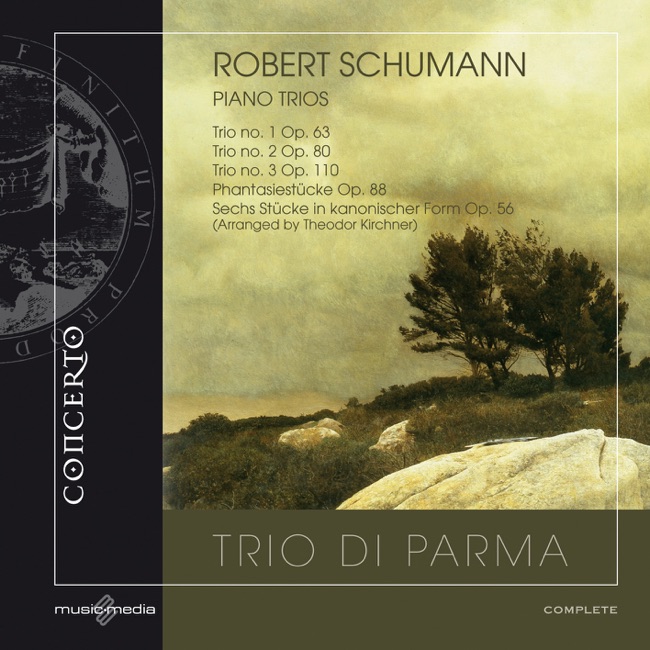
Featured Album

Works Info
Composer:Robert SchumannGenre:KeyboardStyle:CanonCompose Date:1845Average_duration:16:38Movement_count:6Movement ....Robert Schumann's 'Etudes (6) in Canon Form, Op. 56' is a set of six piano pieces composed in 1845. The work was premiered in Leipzig on January 1, 1846, by Clara Schumann, Robert's wife and a renowned pianist of the time. The six etudes are written in canon form, which means that each voice imitates the previous one, creating a contrapuntal texture. The first etude, marked 'Agitato,' is a lively and energetic piece in which the right hand imitates the left hand in a canon at the interval of a fifth. The second etude, marked 'Non troppo allegro,' is a more subdued piece in which the left hand imitates the right hand at the interval of a third. The third etude, marked 'Vivace,' is a fast and playful piece in which the right hand imitates the left hand at the interval of a sixth. The fourth etude, marked 'Agitato,' is a dramatic and intense piece in which the left hand imitates the right hand at the interval of a fourth. The fifth etude, marked 'Adagio,' is a slow and melancholic piece in which the right hand imitates the left hand at the interval of a second. The final etude, marked 'Allegro,' is a lively and joyful piece in which the left hand imitates the right hand at the interval of a seventh. The 'Etudes (6) in Canon Form, Op. 56' is a challenging work for pianists due to its contrapuntal texture and the technical demands of the canon form. However, the pieces are also musically rewarding, showcasing Schumann's skill in creating complex and beautiful textures through the use of canonic imitation. The work is also notable for its influence on later composers, including Claude Debussy, who arranged the etudes for two pianos in 1915.More....
Works Music
Released Music

2

3:18


5
3:8

Featured Music
3

1:55
4
3:27
6
2:54