Béla Bartók
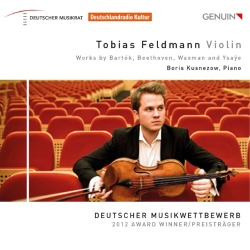
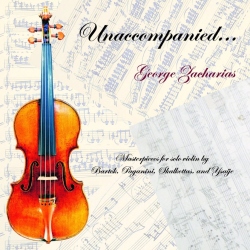
Sonata for violin solo, Sz. 117
Released Album
Recent Album
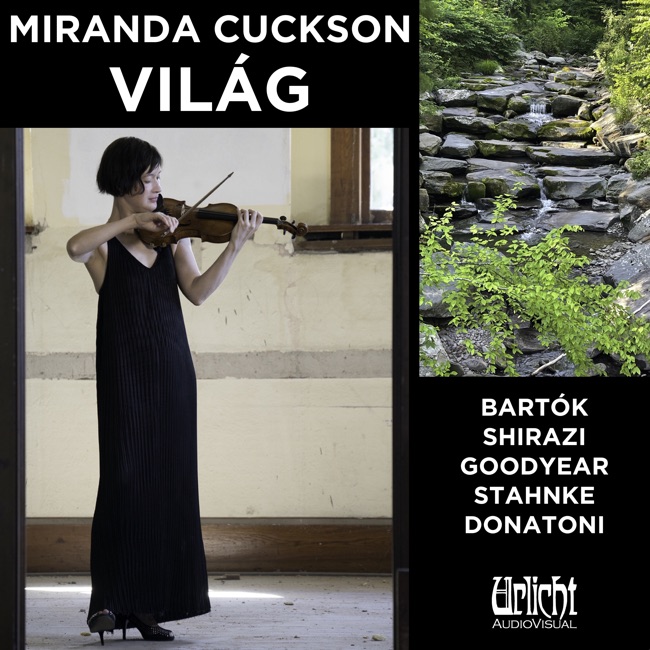
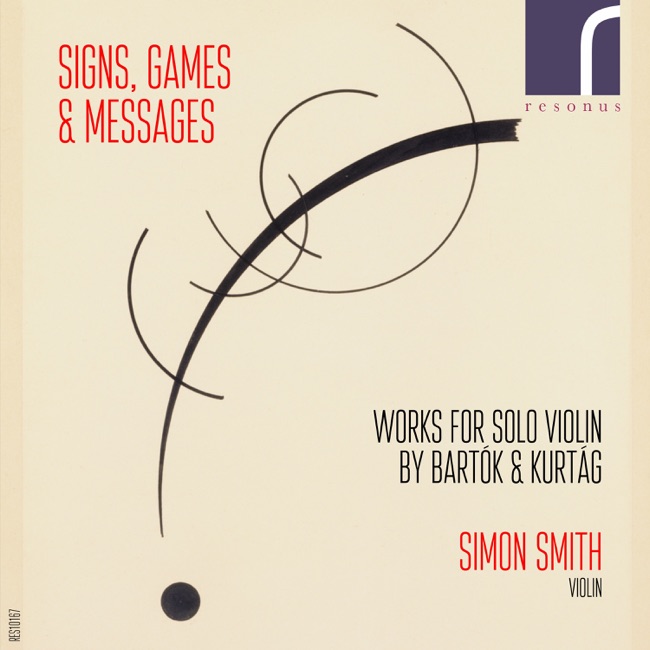

Works Info
Composer:Béla BartókGenre:ChamberStyle:SonataCompose Date:1944Average_duration:26:20Movement_count:4Movement ....Béla Bartók's Sonata for violin solo, Sz. 117, was composed in 1944, during the composer's final years. The piece was premiered in New York City in 1944 by the Hungarian violinist Joseph Szigeti. The sonata is divided into three movements, each with its own distinct character and style. The first movement, marked Tempo di ciaccona, is a chaconne, a form of variation that originated in the Baroque era. Bartók's chaconne is a complex and intense exploration of the violin's capabilities, with intricate rhythms and harmonies that build to a powerful climax. The movement is characterized by its use of folk melodies and rhythms, which are a hallmark of Bartók's style. The second movement, marked Fuga, is a fugue, a form of counterpoint that was popular in the Baroque era. Bartók's fugue is a modern interpretation of the form, with dissonant harmonies and complex rhythms that create a sense of tension and urgency. The movement is characterized by its use of chromaticism and polyphony, which are also hallmarks of Bartók's style. The third movement, marked Melodia, is a slow and lyrical piece that showcases the violin's expressive capabilities. The movement is characterized by its use of modal melodies and rich harmonies, which create a sense of nostalgia and longing. The movement ends with a hauntingly beautiful cadenza that showcases the violin's virtuosity. Overall, Bartók's Sonata for violin solo, Sz. 117, is a challenging and complex work that showcases the composer's unique style and approach to music. The piece is characterized by its use of folk melodies and rhythms, dissonant harmonies, complex rhythms, and expressive melodies. It is a testament to Bartók's genius as a composer and his ability to push the boundaries of classical music.More....
Works Music
Released Music


8
4:30