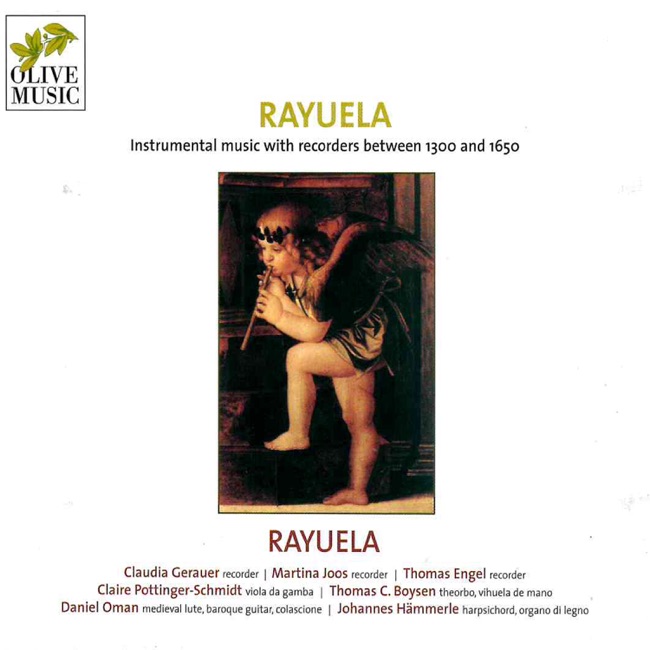
Diego Ortiz
Recercada No. 1 sobre el madrigal O felici occhi miei
Released Album
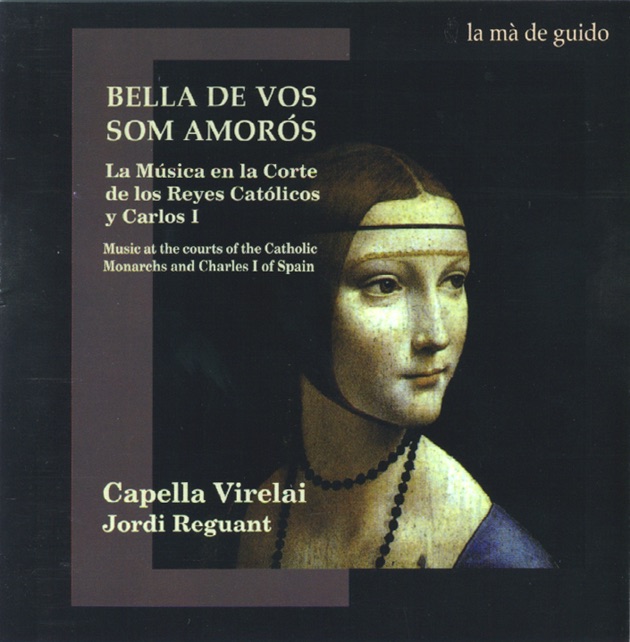
Recent Album
Works Info
Composer:Diego OrtizGenre:MiscellaneousStyle:RicercarAverage_duration:2:47Diego Ortiz was a Spanish composer and music theorist who lived during the Renaissance period. He is best known for his work "Trattado de Glosas," which is a treatise on instrumental music. However, he also composed several pieces of music, including the "Recercada No. 1 sobre el madrigal O felici occhi miei." The "Recercada No. 1 sobre el madrigal O felici occhi miei" was composed in the late 16th century, although the exact date is unknown. It is believed to have been written for the viola da gamba, which was a popular instrument during the Renaissance period. The piece is a recercada, which is a type of instrumental composition that was popular during the Renaissance. It is based on a pre-existing melody, which in this case is the madrigal "O felici occhi miei" by Giovanni Giacomo Gastoldi. The recercada is a type of variation form, where the composer takes the original melody and creates new variations on it. The "Recercada No. 1 sobre el madrigal O felici occhi miei" is divided into several movements, each of which is based on a different variation of the original melody. The first movement is a simple statement of the melody, while the subsequent movements become more complex and elaborate. The final movement is a virtuosic display of the performer's skill, with fast runs and intricate ornamentation. One of the characteristics of the "Recercada No. 1 sobre el madrigal O felici occhi miei" is its use of counterpoint. Counterpoint is a technique where two or more melodies are played simultaneously, creating a complex and harmonically rich texture. Ortiz was known for his skill in counterpoint, and this piece is a good example of his mastery of the technique. Overall, the "Recercada No. 1 sobre el madrigal O felici occhi miei" is a beautiful and complex piece of music that showcases Ortiz's skill as a composer and his mastery of the viola da gamba. It is a testament to the rich musical tradition of the Renaissance period and continues to be performed and enjoyed by musicians and audiences today.More....
Works Music