Silvius Leopold Weiss
Allegro for lute in G major, WeissSW 1* (Smith 29)
Released Album
Recent Album
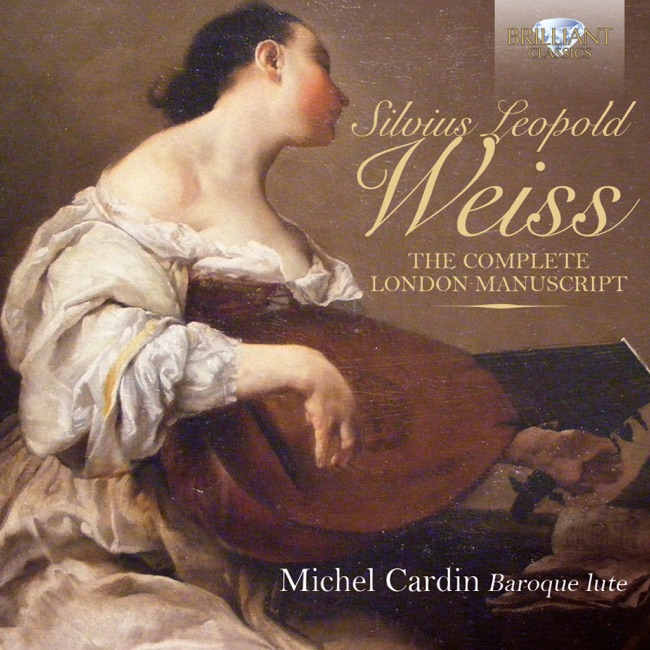
Works Info
Composer:Silvius Leopold WeissGenre:ChamberAverage_duration:2:42Silvius Leopold Weiss was a German composer and lutenist who lived during the Baroque period. He was one of the most prolific and highly regarded lute composers of his time, and his works are still widely performed and studied today. One of his most famous compositions is the Allegro for lute in G major, WeissSW 1* (Smith 29). The Allegro for lute in G major was composed by Weiss in the early 18th century, although the exact date of composition is unknown. It is believed to have been written sometime between 1706 and 1718. The piece is a solo work for the lute, which was a popular instrument during the Baroque period. The Allegro for lute in G major is a single movement work that is characterized by its lively and energetic tempo. The piece is written in G major and is in binary form, meaning that it consists of two distinct sections that are repeated. The first section is in G major and features a lively and rhythmic melody that is played in a fast tempo. The second section is in D major and is more subdued, featuring a slower and more contemplative melody. One of the most notable characteristics of the Allegro for lute in G major is its use of counterpoint. Counterpoint is a technique in which two or more melodies are played simultaneously, creating a complex and intricate musical texture. Weiss was known for his skillful use of counterpoint, and the Allegro for lute in G major is a prime example of his mastery of this technique. Overall, the Allegro for lute in G major is a lively and engaging work that showcases Weiss's skill as a composer and lutenist. Its energetic tempo and intricate counterpoint make it a popular choice for lute players and Baroque music enthusiasts alike.More....
Works Music
Released Music