Arnold Schoenberg
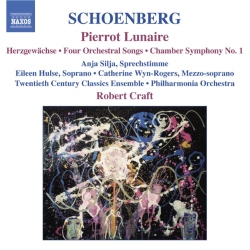
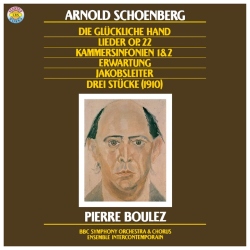
Orchestral Songs (4) Op. 22
Released Album
Recent Album
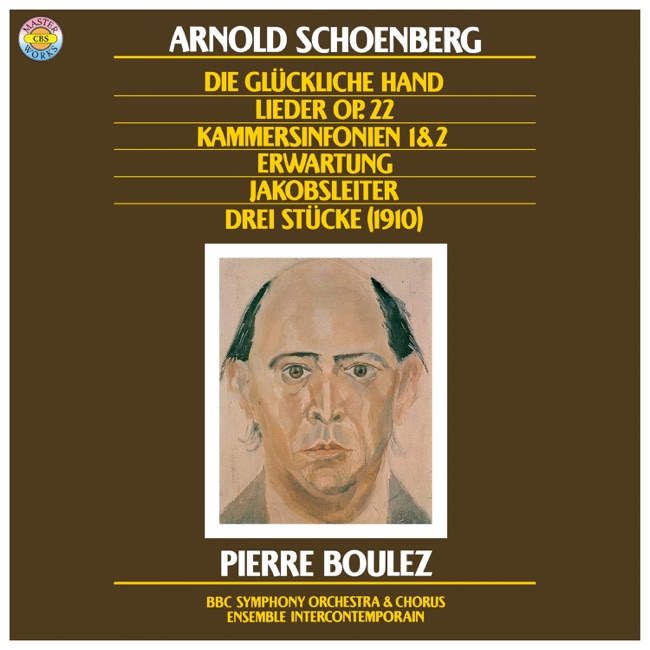
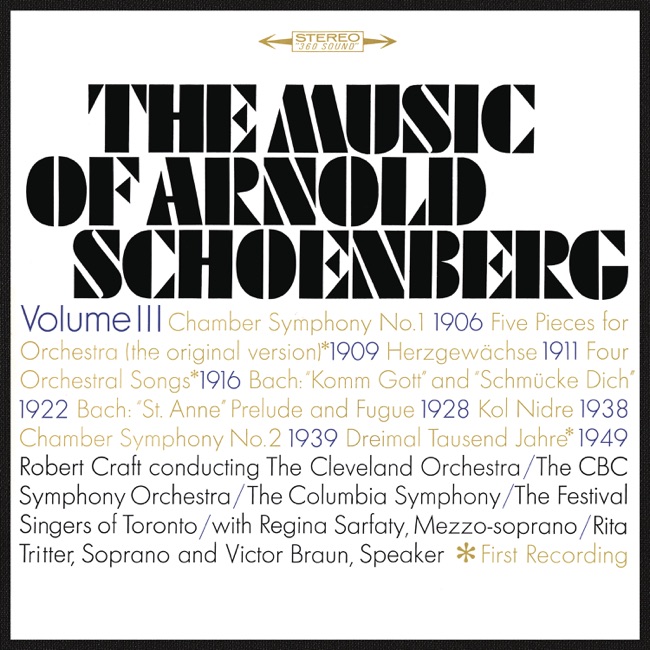
Works Info
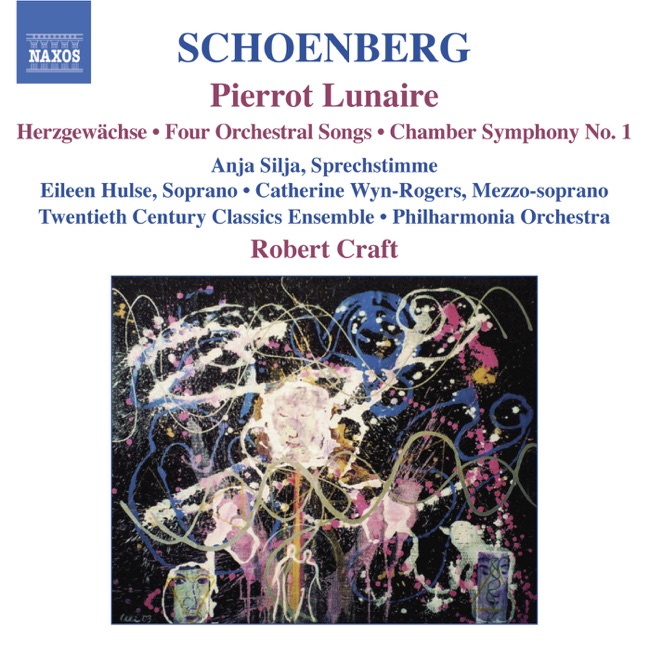
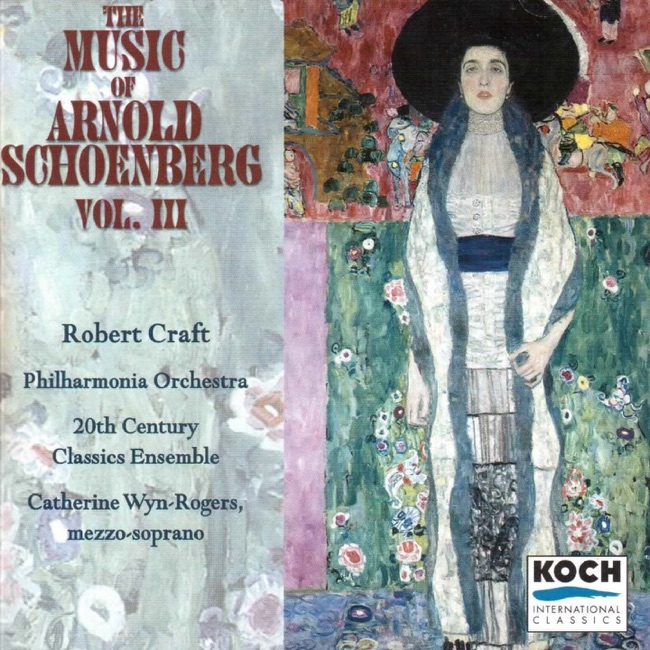
Composer:Arnold SchoenbergGenre:VocalStyle:Vocal MusicCompose Date:1913Average_duration:13:39Movement_count:4Movement ....Arnold Schoenberg's 'Orchestral Songs (4) Op. 22' is a collection of four songs for voice and orchestra. The work was composed in 1912 and premiered in Vienna on February 23, 1914, with the composer conducting. The four movements are titled 'Gigerlette', 'Erbarme dich', 'Rheinlegendchen', and 'Wo find ich Trost'. The first movement, 'Gigerlette', is a playful and lighthearted song that features a solo violin and a solo flute. The second movement, 'Erbarme dich', is a more somber and introspective piece that features a solo cello and a solo clarinet. The third movement, 'Rheinlegendchen', is a folk-like song that tells the story of a young girl who falls in love with a fisherman. The final movement, 'Wo find ich Trost', is a deeply emotional and dramatic piece that features a solo horn and a solo oboe. One of the most notable characteristics of 'Orchestral Songs (4) Op. 22' is Schoenberg's use of atonality. The work is considered to be one of the earliest examples of Schoenberg's twelve-tone technique, which he would later develop into his serialism. The use of atonality gives the work a sense of dissonance and tension, which is heightened by the emotional intensity of the vocal parts. Another characteristic of the work is Schoenberg's use of orchestration. Each movement features a different combination of instruments, which allows Schoenberg to create a wide range of textures and colors. The use of solo instruments in each movement also adds to the emotional depth of the work. Overall, 'Orchestral Songs (4) Op. 22' is a significant work in Schoenberg's oeuvre and in the development of modernist music. Its use of atonality and innovative orchestration techniques paved the way for the development of new musical styles in the 20th century.More....
Works Music
Released Music