


Count Unico-Wilhelm Van Wassenaer
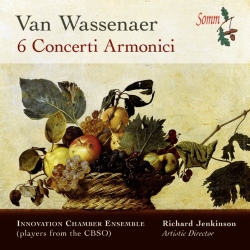
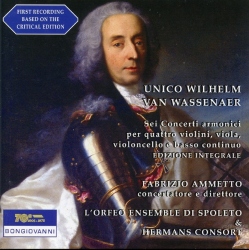
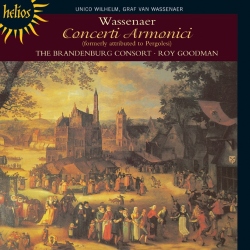
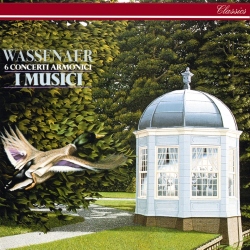
Concerto No. 6 in E flat major
Released Album
Recent Album
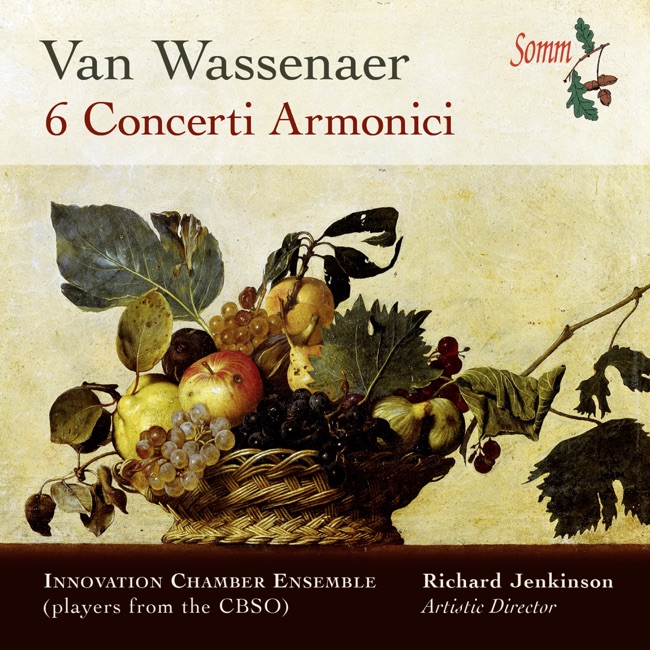
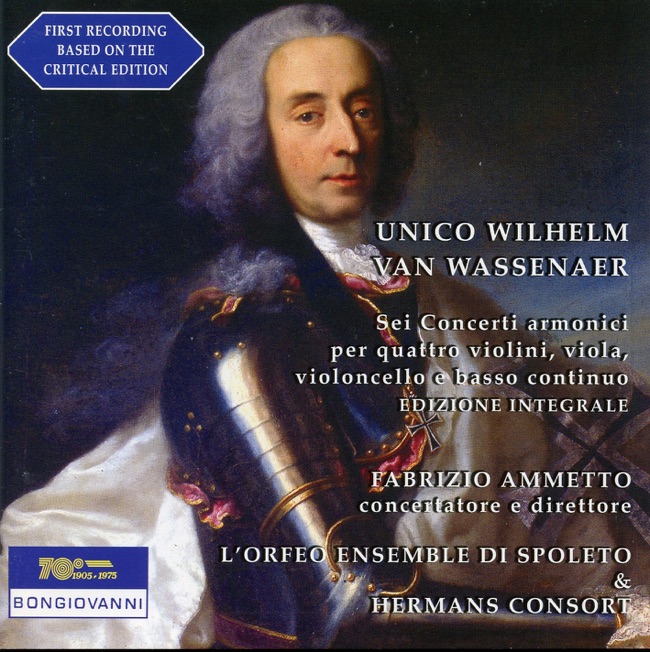
Works Info
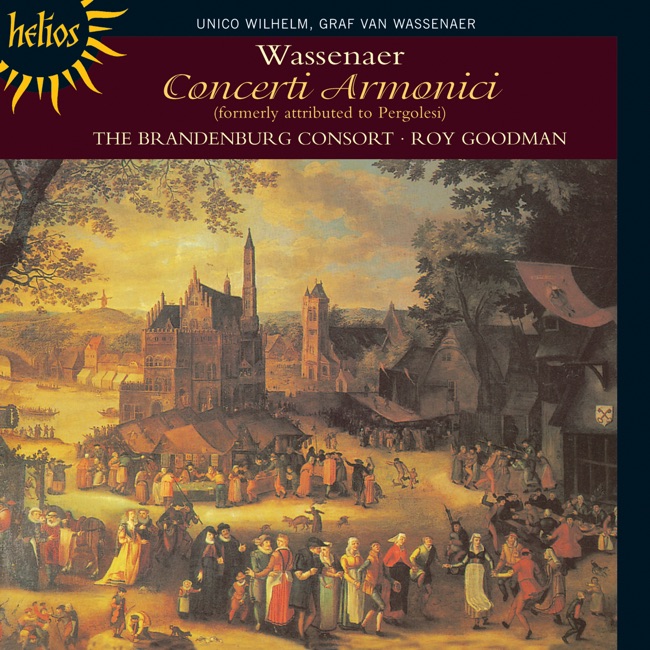
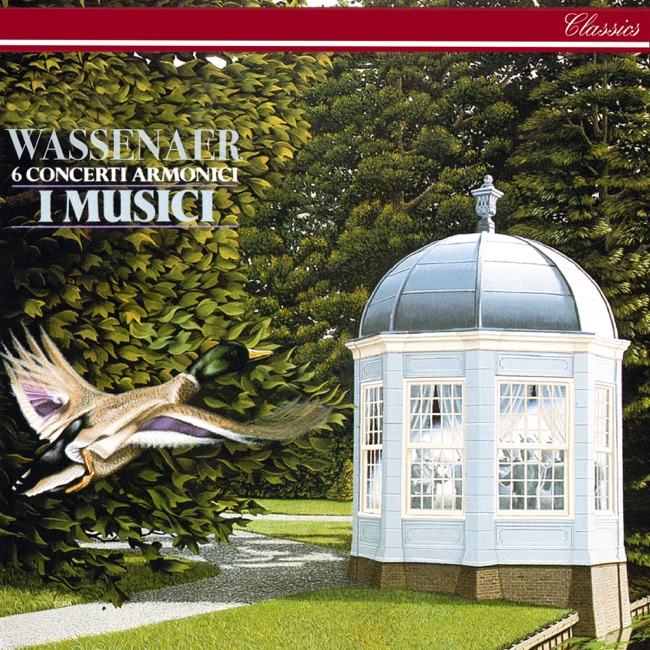
Composer:Count Unico-Wilhelm Van WassenaerGenre:OrchestralStyle:ConcertoCompose Date:1755Average_duration:8:25Movement_count:4Movement ....Count Unico-Wilhelm Van Wassenaer's Concerto No. 6 in E flat major is a Baroque concerto grosso composed in the early 18th century. The exact date of composition is unknown, but it is believed to have been written between 1715 and 1725. The concerto was first premiered in The Hague, Netherlands, where Van Wassenaer served as a diplomat and courtier. The concerto consists of four movements: Allegro, Adagio, Allegro, and Gavotte. The first movement, Allegro, is characterized by its lively and energetic tempo, with the solo violin and orchestra engaging in a playful dialogue. The second movement, Adagio, is a slow and expressive piece, with the solo violin taking center stage and showcasing its lyrical capabilities. The third movement, Allegro, returns to the lively and energetic tempo of the first movement, with the solo violin and orchestra engaging in a virtuosic display of technical skill. The final movement, Gavotte, is a dance-like piece that features a lively and upbeat tempo, with the solo violin and orchestra engaging in a playful and joyful dialogue. One of the notable characteristics of Van Wassenaer's Concerto No. 6 is its use of the concerto grosso form, which was a popular form of Baroque music that featured a small group of soloists (the concertino) playing in contrast with a larger ensemble (the ripieno). This form allowed for a dynamic interplay between the soloists and the orchestra, and Van Wassenaer's concerto showcases this interplay in a masterful way. Another notable characteristic of the concerto is its use of ornamentation, which was a common feature of Baroque music. The solo violin is particularly adept at ornamentation, with trills, turns, and other embellishments adding to the virtuosic display of technical skill. Overall, Count Unico-Wilhelm Van Wassenaer's Concerto No. 6 in E flat major is a masterful example of Baroque music, showcasing the interplay between soloists and orchestra, as well as the virtuosic technical skill of the soloists. Its lively and energetic tempo, expressive slow movements, and playful dialogue between soloists and orchestra make it a joy to listen to and a testament to the enduring legacy of Baroque music.More....
Works Music
Released Music
1
3:4
2
2:49
3
2:17
4
2:7
5
2:18
6
2:48