


Franz Joseph Haydn
Lob der Faulheit, H. 26a/22
Released Album
Recent Album



Works Info
Composer:Franz Joseph HaydnGenre:VocalStyle:Vocal MusicAverage_duration:2:58Franz Joseph Haydn's "Lob der Faulheit" (In Praise of Laziness) is a choral work that was composed in 1774. It was premiered in the same year in the court of Prince Nikolaus Esterházy, where Haydn was employed as a court musician. The work is a humorous and satirical piece that praises the virtues of laziness and idleness. The piece is divided into three movements. The first movement is a lively and playful choral piece that sets the tone for the rest of the work. The second movement is a slower and more contemplative piece that features a solo soprano singing about the joys of laziness. The final movement is a rousing and energetic choral piece that brings the work to a close. One of the characteristics of "Lob der Faulheit" is its use of humor and satire. Haydn uses the text to poke fun at the idea that hard work and productivity are the only virtues worth pursuing. Instead, he argues that laziness and idleness can be just as valuable, if not more so. The piece is also notable for its use of word painting, where the music reflects the meaning of the text. For example, in the second movement, the music slows down and becomes more relaxed as the soprano sings about the joys of lying in bed all day. Overall, "Lob der Faulheit" is a lighthearted and entertaining piece that showcases Haydn's wit and musical skill. It remains a popular work in the choral repertoire and is often performed by choirs around the world.More....
Works Music
Released Music


5

2:59
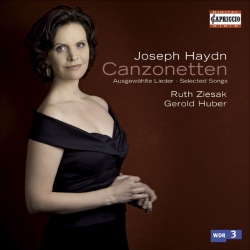

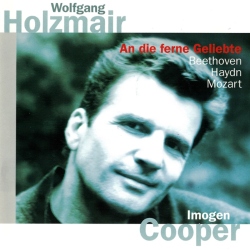
9
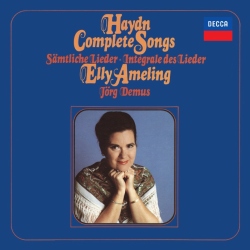
2:53