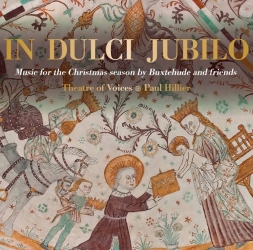
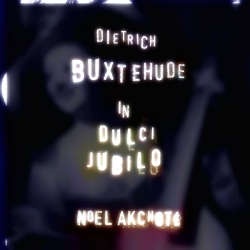
Dietrich Buxtehude
In dulci jubilo, BuxWV 52
Released Album
Recent Album
-
-
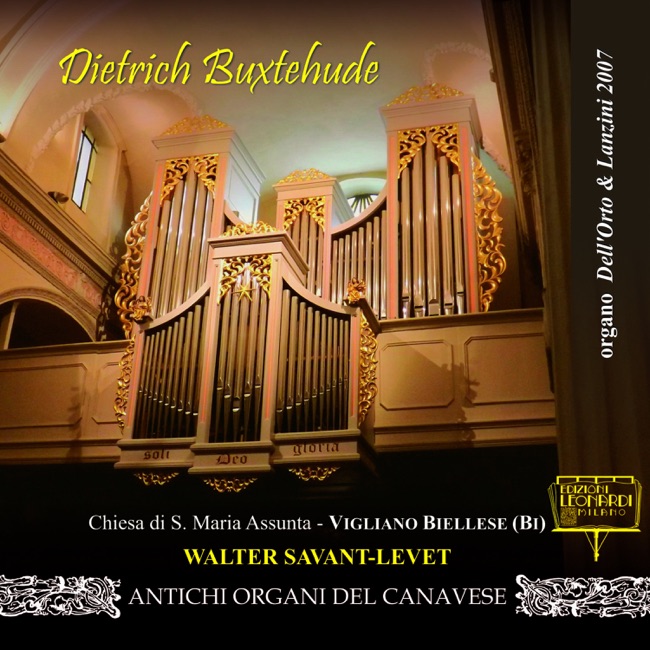 Walter Savant-LevetFebruary 18, 2022
 -
-

-

-
-
-
-
-
-
-
Featured Album
Works Info
Composer:Dietrich BuxtehudeGenre:VocalStyle:CantataAverage_duration:5:05Dietrich Buxtehude's "In dulci jubilo, BuxWV 52" is a sacred vocal work composed in the late 17th century. The exact date of composition is unknown, but it is believed to have been written sometime between 1680 and 1690. The piece is written for five voices (SSATB) and is set to a Latin text that celebrates the birth of Christ. The work is divided into two movements. The first movement is a lively and joyful setting of the text "In dulci jubilo" ("In sweet rejoicing"). The music is characterized by its energetic rhythms and lively melodic lines, which are passed between the voices. The second movement is a more contemplative setting of the text "O patris caritas" ("O love of the Father"). The music is slower and more introspective, with a focus on the beauty of the text and the harmonies created by the voices. One of the most notable characteristics of "In dulci jubilo, BuxWV 52" is its use of imitative polyphony. Throughout the piece, the voices imitate each other's melodic lines, creating a rich and complex texture. Buxtehude also makes use of chromaticism, particularly in the second movement, to create a sense of tension and release. The piece premiered in the context of Buxtehude's regular Abendmusiken concerts, which were held in the Marienkirche in Lübeck. These concerts were highly popular and attracted audiences from all over Europe. "In dulci jubilo, BuxWV 52" remains a beloved work in the choral repertoire and is frequently performed during the Christmas season.More....
Works Music
Released Music
2
2:5


Featured Music