


Howard Ferguson
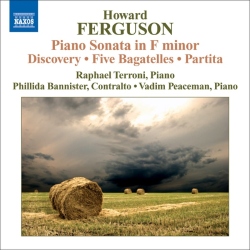
Discovery for voice & piano, Op. 13
Released Album
Recent Album

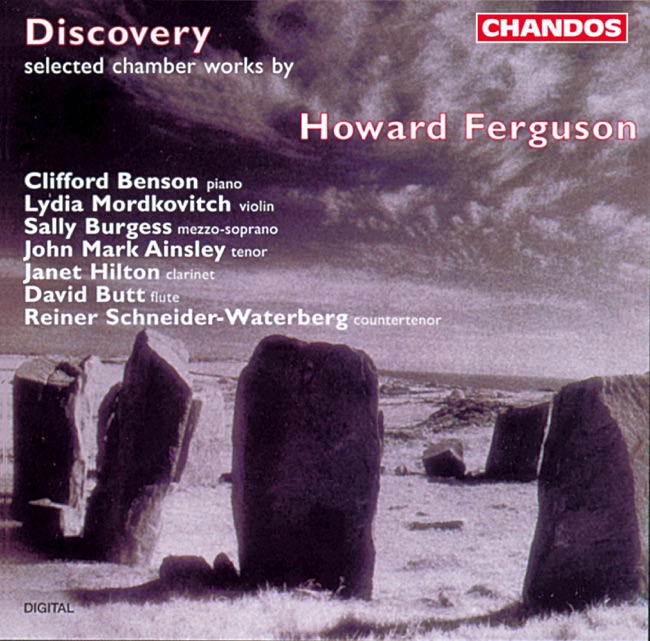

Featured Album
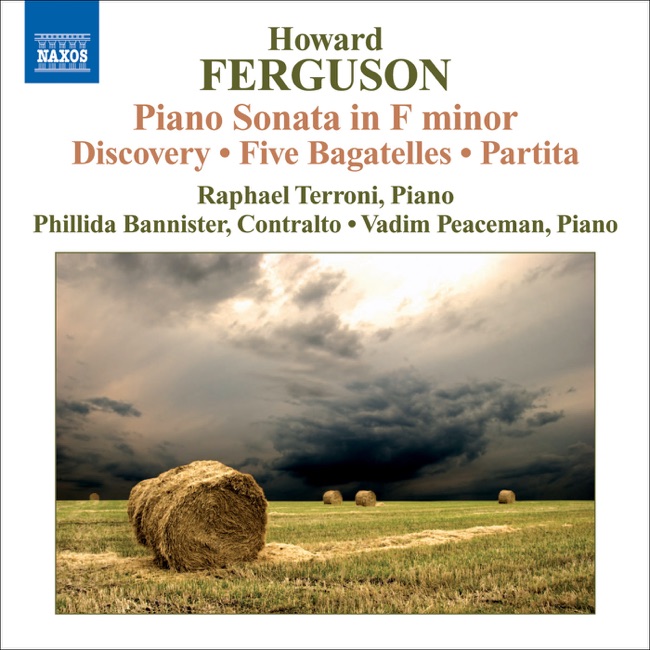
Works Info
Composer:Howard FergusonGenre:VocalStyle:Vocal MusicCompose Date:1951Average_duration:7:55Discovery for voice and piano, Op. 13, is a song cycle composed by Howard Ferguson in 1936. The work was premiered in London on May 12, 1937, by the tenor Steuart Wilson and the composer himself on the piano. The cycle consists of six movements, each setting a poem by a different author. The first movement, "Discovery," sets a poem by Walter de la Mare. It begins with a gentle, flowing piano introduction that sets the mood for the tenor's entrance. The vocal line is lyrical and expressive, with a sense of wonder and discovery in the text. The piano accompaniment is delicate and supportive, with occasional flourishes that add to the sense of exploration. The second movement, "The Sunken Garden," sets a poem by Edith Sitwell. The piano introduction is more angular and dissonant than the previous movement, reflecting the darker tone of the text. The vocal line is more declamatory, with a sense of urgency and drama. The piano accompaniment is more active, with frequent rhythmic changes and sudden shifts in harmony. The third movement, "The Nightingale," sets a poem by John Keats. The piano introduction is gentle and flowing, with a sense of calm and serenity. The vocal line is melodic and expressive, with a sense of longing and yearning in the text. The piano accompaniment is delicate and supportive, with occasional flourishes that add to the sense of beauty and wonder. The fourth movement, "The Windhover," sets a poem by Gerard Manley Hopkins. The piano introduction is more angular and dissonant than the previous movement, reflecting the more complex and challenging text. The vocal line is more declamatory, with a sense of power and majesty. The piano accompaniment is more active, with frequent rhythmic changes and sudden shifts in harmony. The fifth movement, "The Soldier," sets a poem by Rupert Brooke. The piano introduction is more somber and reflective than the previous movements, reflecting the more serious and contemplative tone of the text. The vocal line is more restrained and introspective, with a sense of sadness and loss. The piano accompaniment is more subdued, with occasional bursts of emotion that add to the sense of poignancy. The final movement, "The Dancer," sets a poem by W.B. Yeats. The piano introduction is more lively and rhythmic than the previous movements, reflecting the more energetic and joyful tone of the text. The vocal line is more playful and expressive, with a sense of freedom and abandon. The piano accompaniment is more active, with frequent rhythmic changes and sudden shifts in harmony. Overall, Discovery for voice and piano, Op. 13, is a varied and expressive song cycle that showcases Howard Ferguson's skill as a composer and his sensitivity to the texts he sets.More....
Works Music
Released Music
3

Discovery for voice & piano, Op. 13
The Freedom of the City / Babylon / Jane Allen / Discovery / Dreams Melting
7:39
Featured Music
3
1:35
4
36
5
2:45