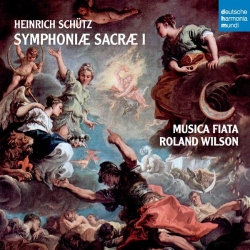
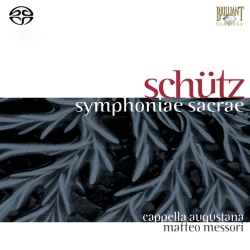
Heinrich Schütz
Jubilate Deo in chordis, SWV 276 (Op. 6/20)
Released Album
Recent Album
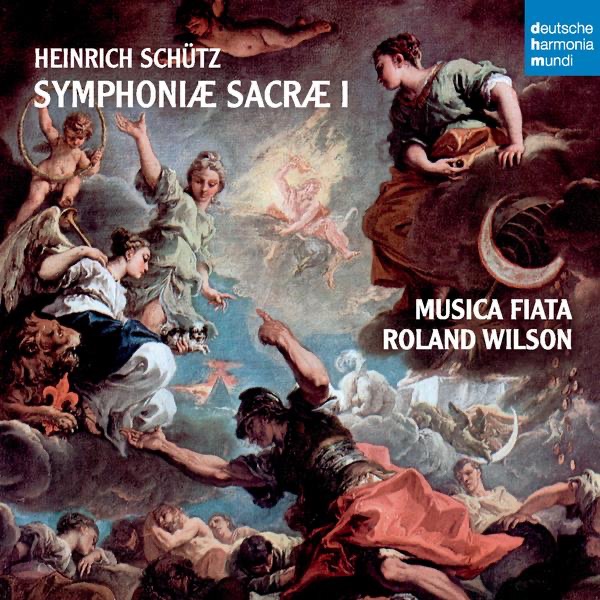
Works Info
Composer:Heinrich SchützGenre:ChoralStyle:ChoralPublication Date:1629Average_duration:3:04Heinrich Schütz's 'Jubilate Deo in chordis, SWV 276 (Op. 6/20)' is a sacred choral work that was composed in 1650. It was premiered in Dresden, Germany, in the same year. The piece is written for a four-part choir and is divided into three movements. The first movement is a joyful and exuberant setting of Psalm 100, "Jubilate Deo omnis terra" (Make a joyful noise unto the Lord, all ye lands). The choir sings in unison, with occasional harmonies, and the music is characterized by its lively rhythms and bright, major-key tonality. The text is repeated several times, with each repetition becoming more elaborate and complex. The second movement is a more contemplative setting of Psalm 116, "Dilexi, quoniam exaudiet Dominus" (I love the Lord, because he hath heard my voice). The choir sings in four-part harmony, with the melody moving slowly and gracefully. The music is characterized by its gentle, flowing rhythms and its use of suspensions and dissonances to create a sense of tension and release. The final movement is a joyful setting of Psalm 150, "Laudate Dominum in sanctis eius" (Praise the Lord in his sanctuary). The choir sings in four-part harmony, with the melody moving quickly and energetically. The music is characterized by its lively rhythms and its use of imitative counterpoint to create a sense of unity and coherence. Overall, 'Jubilate Deo in chordis' is a typical example of Schütz's sacred choral music, characterized by its simple yet effective melodies, its use of harmony and counterpoint to create a sense of depth and complexity, and its emphasis on the text and its meaning. The piece is a testament to Schütz's skill as a composer and his deep faith in God.More....
Works Music